The Circular Economy Agenda for Corporate Sustainability and Responsibility

Most of the products we buy and consume are bound to reach their ‘end of life’ at some stage. To date, business and industry have customarily followed an economic model that is built on the premise of ‘take-make-consume and dispose’. When goods worn out or are no longer desired, they are often discarded as waste. Such a linear model also assumes that raw materials and resources are abundant, available and cheap to dispose of. However, the improper disposal of waste in landfills could cause health risks for society. Similarly, industrial and mining activities are causing resource depletion as well as pollution problems. The incineration of waste products also creates the need to dispose of residual toxic metals, including lead and mercury, which could also contaminate groundwater. Notwithstanding, it is envisaged that the reserves of some of globe’s key elements and minerals shall be depleted within the next century. At the same time, land degradation is constantly impacting on the natural environment, as arable land continues to disappear. In addition, plastic waste dumped into our seas and oceans is responsible for the deaths of millions of fish, seabirds, and sea mammals. Furthermore, the warming of the earth’s climate, that is one of the outcomes of carbon emissions from fossil fuels, is yet another serious problem facing today’s society.

The world’s growing populations and their increased wealth is inevitably leading to greater demands for limited and scarce resources. Boulding’s famous paper from 1966, “The economics of the coming spaceship Earth” anticipated that man will need to find his place in a cyclical ecological system which is capable of continuous reproduction of material. He went on to suggest that at the other end the effluents of the system are passed out into noneconomic reservoirs, including the atmosphere and the oceans. Of course, these ecological environments are not appropriated and do not enter into the exchange system. Twenty-five years ago, Granzin and Olsen (1991) reported that the US municipalities were already running out of landfills. These contentious issues underline the perennial conflict between economic development and environmental protection. Today’s society and its economic models still rely too much on resource extraction and depletion. If solutions are to be found, the public must be encouraged to alter a number of its irresponsible behaviours.

In this light, this contribution suggests that there is scope in using resources more efficiently; as better eco-designs, waste prevention and reuse of materials can possibly bring net savings for businesses, while also reducing emissions. In fact, WEF (2014) indicated that a shift towards CE can generate over US$ 500 million in material cost savings, 100,000 new jobs and prevent 100 million tons of waste globally, within five years. This means that there is a business case for CE as significant resource efficiencies could bring a new wave of smart, sustainable growth and competitiveness.

The basis of the CE economic approach lies in extracting the embedded costs of resources; through re-using, repairing, refurbishing, recycling and restoring materials and products throughout their life cycle. Arguably, what used to be regarded as ‘waste’ could be turned into a valuable resource for business and industry. The CE concept could be perceived as a response to the aspiration for sustainable growth in the context of increased regulatory pressures toward controlled operations management and environmentally responsible practices. Therefore, the setting of coherent policy frameworks and appropriate legislation could help to raise the bar for more responsible behaviours amongst public and private organisations.

Initially, the CE approach was being implemented in western countries were it was championed by a number of environmental NGOs (EMF, 2013; WEF, 2014). However, back in 2008, the People’s Republic of China had enacted a national law that promoted the CE model. Interestingly, China has experienced an average economic growth of 9.5% over the past two decades (since the start of their business-friendly policies and reforms). The United Nations Environment Program (UNEP) has recognised the significance of the rapid industrialisation in the Chinese scenario. Hence, UNEP in collaboration with the European Commission and Asia Pro Eco Programme have supported the Chinese city of Guiyang through the ‘Policy Reinforcement for Environmentally-Sound and Socially-Responsible Economic Development – PRODEV. In 2003, this city was still considered a relatively, underdeveloped region although it had a population of more than 3 million. For this reason, Guiyang had great potential as a pilot city for the exploration of sustainable development models (UNEP, 2006). In 2005, PRODEV supported Guiyang’s policy frameworks, financial systems that were intended to help the private sector development, facilitated technology transfers and sustained infrastructural development. PRODEV specified the best environmentally sound practices as it demonstrated the use of cleaner production processes (UNEP, 2006). Guiyang’s businesses have learned how to increase their operational efficiencies through better use of resources. These developments have also brought significant cost savings, and improvements in the firms’ bottom line. At the time, China needed a new sustainable development model which had the ability to ‘achieve improvements in resource productivity and eco-efficiency’ (Yuan, Bi, and Moriguichi, 2006:7). The country’s central development goal came into force in January 2009 as environmental conditions were expected to deteriorate due to rapid urban and industrial growth prospects.

In a similar vein, the European Union (EU) Commission has encouraged businesses to reuse, recycle and reduce resources to prevent the loss of valuable materials (EU, 2014). The EU Commission explained that, “new business models, eco-designs and industrial symbiosis can move the community towards zero-waste; reduce greenhouse emissions and environmental impacts” (EU, 2014:4). It transpired that the Europe has already started to prepare the ground work toward this transition. In fact, the ‘Resource Efficient Europe’ was one of the EU2020’s flagship ideas. This EU initiative involved the coordination of cross-national action plans and policies on the formulation of sustainable growth. The EU’s CE proposition was intended to bring positive environmental impacts, real cost savings, and greater profits. EU (2014) indicated that improvements in waste prevention and eco-design, the use and reuse of resources, and similar measures could translate to a net savings of € 600 billion, or 8 % of annual turnover (for EU businesses), while reducing total annual greenhouse gas emissions by 2-4%. This EU communication anticipated that the market for eco-industrial products will double between 2010 and 2020. It also posited that internationally, resource-efficiency improvements are in demand across a wide range of sectors. Lately, the EU has published a call for researchers, specifically in; (i) CIRC-01-2016: Eco-innovative approaches for the circular economy: large-scale demonstration projects, (ii) CIRC-02-2016: Water in the context of the circular economy, (iii) CIRC-03-2016: Smart specialisation for systematic eco-innovation / circular economy, (iv) CIRC-04-2016: New models and economic incentives for circular economy business and (v) CIRC-05-2016: Unlocking the potential for urban organic growth (EU, 2015b). Moreover, the European Fund for Strategic Investments (EFSI) has also unleashed a new financing avenue for future investments in infrastructure and innovation, including circular economy projects and closed loop systems.

Across the Atlantic, the US and Canada have also endorsed the circular economy perspective. The US Chamber of Commerce Foundation described the circular economy as a model that focuses on the careful management of material flows through product design, reverse logistics, business model innovation, and cross-sector collaboration. The US Foundation recognised that this regenerative model offers viable business opportunities that tackle environmental issues while stimulating economic growth and development. Similarly, Canada’s ‘Circular Economy Working Group’ (CEWG) has also encouraged the wider adoption of circular approaches as illustrated in Figure 1. This working group supports knowledge sharing on CE through a series of webinars and other avenues. They also featured numerous case studies that have presented the benefits of key circular business models.


                                  Figure 1. The Circular Business Model

ce                                    (Accenture, 2014 in CEWG, 2015)

Although the circular economy is a relatively new notion, there could be potential pitfalls in its policy formulation and application. Moreover, businesses and industries would probably resent being imposed any mandatory changes in their established behaviours. It is very likely that they would opt to remain in their status quo, where they are ‘locked-in’ to their traditional linear models. For the time being, many companies could not be knowledgeable about the CE perspective. The terms that are actually being used to describe both linear and circular economies are potentially misleading, as both combinations already exist, but in very different contexts.

Arguably, the long term investments for an active engagement in sustainable CE practices could possibly result in significant improvements in operational efficiencies. However, CE approaches may still be perceived as novel, risky and complex. Notwithstanding, the prices of green technologies do not necessarily reflect the real costs of resources and raw materials. Macro-environmental factors, including political, economic, social and technological issues could also impact on CE behaviours. Moreover, there may be policy makers and regulators who may not want to support the transition towards the circular economy. Of course, it would be better if governments, civil societies and the respective industries work in tandem to resolve the contentious issues relating to the increased scarce and limited resources, across the globe.

In conclusion, the CE concept has the potential to maximize the functioning of global eco-systems as it could lead to significant benefits to societal well-being. There are implications for the re-alignment of economic and management practice with well laid-out ecological and social models. Future research should begin to incorporate the latest ecological knowledge into our understanding of naturalistic economic models and systems, without silencing the social and human dimension.

References

Accenture. (2014), “Circular Advantage: Innovative Business Models and Technologies to Create value in a World without Limits to Growth”, available at: https://www.accenture.com/us-en/insight-circular-advantage-innovative-business-models-value-growth.aspx (accessed on the 12th October, 2015).

Boulding, K.E. (1966) The economics of coming spaceship earth in Jarret, H. (Ed.), Environmental Quality in a Growing Economy, Johns Hopkins Pres, Baltimore, M.D. pp. 3–14

EMF (2013), “Towards the Circular Economy. Ellen MacArthur Foundation Rethinking the Future”, available at: http://www.ellenmacarthurfoundation.org/assets/downloads/publications/TCE_Report-2013.pdf (accessed on the 28th October, 2015).

EU (2014), “Attitudes of Europeans towards Waste Management and Resource Efficiency”, European Commission, Brussels, available at:http://ec.europa.eu/public_opinion/flash/fl_388_en.pdf (accessed on the 17th October 2015).

EU (2015b), “Research and Innovation Industry 2020 in the Circular Economy” (Call identifier: H2020-IND-CE-2016-17; Publication date: 14-10-2015), available at:
http://ec.europa.eu/research/participants/portal/desktop/en/opportunities/h2020/calls/h2020-ind-ce-2016-17.html#c,topics=callIdentifier/t/H2020-IND-CE-2016-17/1/1/1&callStatus/t/Forthcoming/1/1/0&callStatus/t/Open/1/1/0&callStatus/t/Closed/1/1/0&+identifier/desc (accessed on the 5th November 2015).

Granzin, K. L. and Olsen, J. E. (1991), “Characterizing participants in activities protecting the environment: a focus on donating, recycling, and conservation behaviors”, Journal of Public Policy & Marketing, pp. 1-27.

UNEP (2006), “Circular Economy: An alternative model for economic development”, United Nations Environment Programme. Paris, France, available at:http://www.unep.org/resourceefficiency/Portals/24147/scp/nap/circular/pdf/prodev-summary.pdf (accessed on the 25th October 2015).

WEF (2014), “Circular Economy Can Generate US$ 1 Trillion Annually by 2025”, World Economic Forum, available at: http://www.weforum.org/news/circular-economy-can-generate-us-1-trillion-annually-2025 (accessed on the 27th October 2015).

Yuan, Z., Bi, J. and Moriguichi, Y. (2006), “The circular economy: A new development strategy in China”, Journal of Industrial Ecology, Vol. 10 No. 1, pp. 4-8.

Leave a comment

Filed under Business, Circular Economy, Corporate Social Responsibility, Corporate Sustainability and Responsibility, CSR

Financing Small Business Enterprises in Europe

THR

Excerpt from: Camilleri M.A. (2015). Nurturing Travel and Tourism Enterprises for Economic Growth and Competitiveness. Tourism and Hospitality Research. Sage DOI: 10.1177/1467358415621947

“This contribution has featured some relevant EU practitioner-oriented policies and instruments that are currently helping European enterprises to raise capital for further investment. It has identified how crowdfunding could unlock significant amounts of capital to start-ups, investments and projects. In addition, it suggested that crowdfunding could be a viable alternative to either investor or creditor-based funding, including banks, business angels, or even venture capital”.

Leave a comment

Filed under Business, Crowdfunding, Small Business, SMEs, tourism

Measuring Corporate Citizenship

corpcitizenship

Several empirical studies have explored the respondents’ attitudes and perceptions on corporate social responsibilities. Very often, the measurement of corporate citizenship could have involved quantitative analyses on organisational commitment toward responsible organisational behaviours (Maignan, Ferrell and Hult, 1999; Aupperle, Carroll and Hatfield, 1985). Therefore, their survey responses could not have revealed and explained actual corporate citizenship practices. Other research could have focused on investigations of managerial perceptions of corporate citizenship rather than focusing on corporate behaviours (e.g., Basu and Palazzo, 2008; Singhapakdi, Kraft, Vitell and Rallapalli, 1995). A number of similar studies have gauged corporate citizenship by adopting Fortune’s reputation index (Fryxell and Wang, 1994; Griffin and Mahon, 1997; Stanwick and Stanwick, 1998), the KLD index (Fombrun, 1998; Griffin and Mahon, 1997) or Van Riel and Fombrun’s (2007) Reptrak. Such measures require executives to assess the extent to which their company behaves responsibly toward the environment and the community (Fryxell and Wang, 1994). Despite their wide usage in past research, the appropriateness of these indices remains doubtful. For instance, Fortune’s reputation index failed to account for the multi-dimensionality of the corporate citizenship construct and is suspected to be more significant of management quality than of corporate citizenship (Waddock and Graves, 1997). Fortune’s past index suffered from the fact that its items were not based on theoretical arguments as they did not appropriately represent the economic, legal, ethical, and discretionary dimensions of the corporate citizenship construct. Hunt, Wood and Chonko’s (1989) investigated broad based perceptions on (a) the extent to which employees perceive that managers are acting ethically in their organisations (b) the extent to which employees perceive that their managers are concerned about the issues of ethics in their organisations and (c) the extent to which employees perceive that ethical (or unethical) behaviour is rewarded (or punished) in their organisation. Other authors, including Webb, Mohr and Harris (2008) also explored the philanthropic values that were related socially responsible consumption.

Pinkston and Carroll (1994) identified four dimensions of corporate citizenship, including; orientations, stakeholders, issues, and decision-making autonomy. They argued that by observing orientations, one may better understand the inclinations or posturing behaviours of organisations with respect to corporate citizenship. The stakeholder dimension should better define to whom the organisation feels responsible as it could identify where the corporate citizenship issues or social concerns are originating. The aspect of decision-making autonomy was believed to illuminate the perceived importance of corporate citizenship as one that determines at what organisational level corporate citizenship decisions are actually made. In a similar vein, Griffin and Mahon (1997) combined four estimates of corporate citizenship: the Fortune reputation index, the KLD index, the Toxic Release Inventory (TRI), and the rankings provided in the Directory of Corporate Philanthropy. They admitted that their four measures do not necessarily track one another. Such findings suggest that these indicators may not be representative of the same underlying construct and their items may not be sufficient to provide an overall understanding of corporate citizenship.

Singh, De los Salmones Sanchez and Rodriguez del Bosque (2007) adopted a multi- dimensional perspective on three domains, including; commercial responsibility, ethical responsibility and social responsibility. Firstly, they proposed that commercial responsibility of businesses relates to their continuous development of high quality products and truthful marketing communications of their products’ attributes and features among customers. Secondly, they maintained that ethical responsibility is concerned with businesses fulfilling their obligations toward their shareholders, suppliers, distributors and other agents with whom they make their dealings. Singh et al. (2007) argued that ethical responsibility involves the respect for the human rights and norms that are defined in the law when carrying out business activities. They hinted that respecting ethical principles in business relationships has more priority over achieving superior economic performance. Their other domain, the social responsibility is concerned about laudable behaviours. The authors suggest that businesses could allocate part of their budget to the natural environment, philanthropy, or toward social works that favoured the most vulnerable in society. This perspective supports the development of financing social and/or cultural activities and is also concerned with improving societal well-being.


References

Aupperle, K. E., Carroll, A. B., & Hatfield, J. D. (1985). An empirical examination of the relationship between corporate social responsibility and profitability. Academy of Management Journal, 28(2), 446-463.

Basu, K., & Palazzo, G. (2008). Corporate social responsibility: A process model of sensemaking. Academy of Management Review, 33(1), 122-136.

Fombrun, C. J. (1998). Indices of corporate reputation: An analysis of media rankings and social monitors’ ratings. Corporate reputation review, 1(4), 327-340.

Fryxell, G. E., & Wang, J. (1994). The fortune corporate ‘reputation’ index: Reputation for what?. Journal of management, 20(1), 1-14.

Griffin, J. J., & Mahon, J. F. (1997). The corporate social performance and corporate financial performance debate twenty-five years of incomparable research. Business & Society, 36(1), 5-31.

Hunt, S. D., Wood, V. R., & Chonko, L. B. (1989). Corporate ethical values and organizational commitment in marketing. The Journal of Marketing, 79-90.

Maignan, I., Ferrell, O. C., & Hult, G. T. M. (1999). Corporate citizenship: cultural antecedents and business benefits. Journal of the Academy of Marketing Science, 27(4), 455-469.

Pinkston, T. S., & Carroll, A. B. (1994). Corporate citizenship perspectives and foreign direct investment in the US. Journal of Business Ethics, 13(3), 157-169.

Singh, J., & Del Bosque, I. R. (2008). Understanding corporate social responsibility and product perceptions in consumer markets: A cross-cultural evaluation. Journal of Business Ethics, 80(3), 597-611.

Singhapakdi, A., Kraft, K. L., Vitell, S. J., & Rallapalli, K. C. (1995). The perceived importance of ethics and social responsibility on organizational effectiveness: A survey of marketers. Journal of the Academy of Marketing Science, 23(1), 49-56.

Stanwick, P. A., & Stanwick, S. D. (1998). The relationship between corporate social performance, and organizational size, financial performance, and environmental performance: An empirical examination. Journal of Business Ethics, 17(2), 195-204.

Van Riel, C. B., & Fombrun, C. J. (2007). Essentials of corporate communication: Implementing practices for effective reputation management. Routledge.

Waddock, S. A., & Graves, S. B. (1997). The corporate social performance-financial performance link. Strategic management journal, 18(4), 303-319.

Webb, D. J., Mohr, L. A., & Harris, K. E. (2008). A re-examination of socially responsible consumption and its measurement. Journal of Business Research, 61(2), 91-98.

Leave a comment

Filed under Circular Economy, Corporate Social Responsibility, Corporate Sustainability and Responsibility, CSR, Marketing

Top US Corporate Citizenship Issues

In its latest quarterly magazine the Boston College Centre for Corporate Citizenship (BCCC) has reiterated how community involvement activities can contribute to achieve corporate goals – particularly, when they are aligned with the company’s business context and the interests of its stakeholders. Companies are becoming increasingly adept at tying employee volunteer and corporate giving programmes to their business strategy. Interestingly, BCCC (2015) noted that many businesses have proritised community involvement projects, including; K12 education, youth programmes and health and wellness programmes among others. These social issues have featured as the top priorities for businesses, as evidenced in BCCC’s (2015) Table. In 2009 and 2011 the top issues were more focused on environmental matters.

The inclusion of health in the top three social goals implies that lately there is more concern amongst US citizens regarding the rising cost of health care. In 2015, the U.S. has spent 17% of its gross domestic product on health care. This figure is higher than any other developed nation, and is projected to reach nearly 20 percent by 2024.

bccc

Unsurprisingly, science, technology, engineering and math (STEM) education is also an area that is receiving increased investments from business communities. According to BCCC’s (2015) study, nearly 40% of companies are focusing on STEM education in their community involvement programmes. These efforts ensure a future pipeline of talent and skills. In fact, OECD (2014) anticipated that there will be a 17 per cent increase in STEM related jobs between 2014 and 2024 (OECD, 2014).

Arguably, businesses are putting food where their mouth is. As they focus their competences and resources in the areas where they can do the most good, there is potential for them to achieve greater returns on their discretionary investments. At the same time, they close the skill gaps and mismatches in their labour market (Camilleri and Camilleri, 2015).

References:

BCCC (2015). The Corporate Citizen, Issue 14 (Fall 2015) Boston College Center for Corporate Citizenship https://bc-ccc.uberflip.com/i/571714-corporatecitizen-issue14

Camilleri, M.A.  and Camilleri, A. (2015). Education and social cohesion for economic growth, International Journal of Leadership in Education, DOI: 10.1080/13603124.2014.995721

Leave a comment

Filed under Corporate Social Responsibility, Corporate Sustainability and Responsibility, CSR, Education

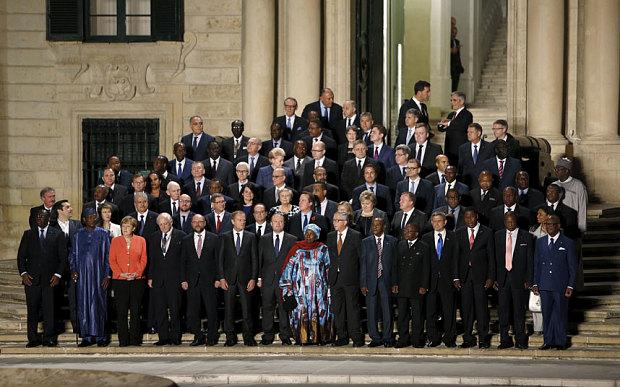
EU-African Leaders Meet at the Valletta Summit on Migration

vlt summit

In the wake of the migration crisis in September, 2015, the European Union (EU) Commission’s had presented comprehensive proposals to relocate more than 160,000 irregular migrants around the its bloc. Yet, so far moved there were fewer than 200 immigrants that have been redistributed from Italy, Greece and Hungary to all other member states (excluding Britain, Ireland and Denmark, who are exempt under EU treaties). In this light, another summit on migration was hosted in Valletta, Malta on the 11-12th November 2015.

In the Maltese summit, there were more than 60 European and African leaders. The EU has agreed on the establishment of a €1.8bn “trust fund” to tackle the migration crisis. Moreover, the commission has also established an Emergency Trust Fund for Stability  to redirect resources toward  the root causes of irregular migration and the displacement of persons in Africa. Notwithstanding, it is envisaged that the EU Commission will shortly request some additional €3bn to give to Turkey, to halt the flow of migrants from the east. This budgeted figure is over and above the €4.2bn that the EU has already mobilised to Syrian refugees that are currently hosted in Lebanon, Jordan and Iraq.

This week’s summit was yet another attempt to better manage the migration flows and to strengthen the fight against irregular migration. The Valletta summit’s political declaration implied that both Africa and Europe will have to reinforce their existing agreements and obligations under international law on return and readmission. At the same time, both EU and African leaders have reaffirmed their commitment to ensure that the returning migrants ought to be treated with full respect of human rights and dignity.

The heads of state declared that they seriously intended to scale up their joint efforts to prevent and fight migrant smuggling. The European and African counterparts agreed to eradicate the trafficking of human beings as they shall be combating those individuals who exploit vulnerable people. The trafficking of human beings (including for the purpose of sexual exploitation and forced labour) is a serious crime. As such, it is considered as an unacceptable infringement of fundamental human rights. In addition, the EU and African leaders sought to strengthen the fight against organised criminal networks, including their links to terrorism; through effective border management, enhanced cooperation and the implementation of legislative and institutional frameworks.

Following this summit, the delegates have pledged to step up their support toward the humanitarian dimension. In the main, they maintained that humanitarian protection should be granted to all those who are entitled to it (in accordance with international and regional instruments).

In conclusion, the Valletta Summit has yielded another action plan that responds to the latest challenging issues, in the face of the ongoing migration and mobility crisis. This action plan features the following five priority domains:

• Development benefits of migration and addressing root causes of irregular migration and forced displacement;
• Legal migration and mobility;
• Protection and asylum;
• Prevention of and fight against irregular migration, migrant smuggling and trafficking in human beings;
• Return, readmission and reintegration.

More details are available here: http://www.consilium.europa.eu/en/meetings/international-summit/2015/11/11-12/


Links:

http://europa.eu/rapid/press-release_IP-15-5596_en.htm

http://ec.europa.eu/dgs/home-affairs/what-we-do/policies/european-agenda-migration/background-information/index_en.htm

http://www.reuters.com/article/2015/11/12/us-europe-migrants-africa-idUSKCN0T11E820151112
http://www.bbc.com/news/world-africa-34797715
http://www.theguardian.com/world/2015/nov/12/migration-crisis-european-and-african-leaders-agree-18bn-trust-fund
http://www.telegraph.co.uk/news/worldnews/europe/eu/11989847/EU-drops-plan-to-give-African-migrants-deportation-papers.html
http://www.timesofmalta.com/articles/view/20151112/local/watch-trust-fund-for-africa-to-come-into-being-at-valletta-summit-this.591845

Leave a comment

Filed under Migration, Social Cohesion, The Valletta Summit

Call for Chapters on CSR

Corporate  Sustainability and Responsibility: The New Era of Corporate Citizenship
CSR Chapter
 This edited book will be published by IGI Global (USA)
Proposals Submission Deadline: January 31, 2016
Full Chapters Due: April 30, 2016
Submit your Chapter here.


Introduction

The contemporary subject of Corporate Social Responsibility (CSR) has continuously been challenged by those who want corporations to move beyond transparency, ethical behavior and stakeholder engagement. Today, responsible behaviors are increasingly being embedded into new business models and strategies that are designed to meet environmental, societal and governance deficits.

This book builds on the previous theoretical underpinnings of the corporate social responsibility agenda, including Corporate Citizenship (Carroll, 1998; Waddock, 2004; Matten and Crane, 2004), Creating Shared Value (Porter and Kramer, 2011; 2006), Stakeholder Engagement (Freeman, 1984) and Business Ethics (Crane and Matten, 2004) as it presents the latest Corporate Sustainability and Responsibility (CSR2.0) perspective. The CSR2.0 notion is increasingly being recognized as a concept that offers ways of thinking and behaving that has potential to deliver significant benefits to both business and society (The International Conference(s) on Corporate Sustainability and Responsibility, organized by the Humboldt University Berlin in 2014, 2016).

This ‘new’ proposition is an easy term that may appeal to the business practitioners as it is linked to improvements in economic performance, operational efficiency, higher quality, innovation and competitiveness. At the same time it raises awareness on responsible behaviors. Therefore, CSR2.0 can be considered as strategic in its intent and purposes, as businesses are capable of being socially and environmentally responsible ‘citizens’ as they pursue their profit-making activities.


Objective

 This book is a concise and authoritative guide to students and well-intended professionals. CSR is moving away from ‘nice-to-do’ to ‘doing-well-by-doing-good’ mantra. This contribution covers many aspects of Corporate Sustainability and Responsibility (CSR2.0).

It will include relevant theoretical frameworks and the latest empirical research findings in the area. It shall provide thorough understanding on corporate social responsibility, sustainability, stakeholder engagement, business ethics and corporate governance. It also sheds light on environmental, social and governance (ESG) disclosures and sustainability reporting; CSR and digital media, socially responsible investing (SRI); responsible supply chain management; the circular economy, responsible procurement of sustainable products; consumer awareness of sustainability / eco labels; climate change and the environmental awareness; CSR in education and training; and responsible behaviors of small enterprises among other topics.This publication will explain the rationale for CSR2.0 as a guiding principle for business success. It shall report on the core aspects of contemporary strategies, public policies and practices that create shared value for business and society.

References

Carroll, A. B. (1998). The four faces of corporate citizenship. Business and society review, 100(1), 1-7.

Crane, A., & Matten, D. (2004). Business ethics: A European perspective: managing corporate citizenship and sustainability in the age of globalization. Oxford: Oxford University Press.

Freeman, R. Edward (1984). Strategic Management: A stakeholder approach. Boston: Pitman. ISBN 0-273-01913-9.

Matten, D., & Crane, A. (2005). Corporate citizenship: Toward an extended theoretical conceptualization. Academy of Management review, 30(1), 166-179.

Porter, M. E., & Kramer, M. R. (2006). The link between competitive advantage and corporate social responsibility. Harvard business review, 84(12), 78-92.

Porter, M. E., & Kramer, M. R. (2011). Creating shared value. Harvard business review, 89(1/2), 62-77.

Waddock, S. (2004). Parallel universes: Companies, academics, and the progress of corporate citizenship. Business and society Review, 109(1), 5-42


Target Audience

This book introduces the concept of corporate sustainability and responsibility (CSR2.0) to advanced undergraduate and / or post graduate students in a structured manner. It is also relevant to policy makers, business professionals, small business owners, non-profit organizations and charitable foundations.


Recommended Topics

• Theoretical Underpinnings on Corporate Sustainability and Responsibility;
• The Evolution of Corporate Sustainability and Responsibility;
• International Policies and Regulatory Instruments for Engagement in Corporate Sustainability and Responsibility;
• Responsible Corporate Governance and Sustainable Business;
• Environmental, Social and Governance (ESG) Disclosures of Sustainable and Responsible Businesses;
• Corporate Citizenship and Sustainable Business;
• Socially Responsible Investing (SRI) for Sustainable Business;
• Responsible Supply Chain Management for Sustainable Business;
• Responsible Procurement of Sustainable Products;
• Corporate Sustainability and Responsibility Communications;
• Corporate Sustainability and Responsibility Reporting and Digital Media;
• Consumer Awareness of Sustainable Products and Responsible Businesses;
• The Use of Eco labels by Responsible Businesses;
• Global Issues, Climate Change and the Environmental Awareness of Sustainable and Responsible Businesses;
• Corporate Sustainability and Responsibility Initiatives in Education and Training;
• Corporate Sustainable and Responsible Behaviors;
• The Business Case for Responsible Behaviors among Small and Medium-Sized Enterprises.


Submission Procedure

Researchers and practitioners are invited to submit on or before January 31, 2016, a chapter proposal of 1,000 to 2,000 words clearly explaining the mission and concerns of his or her proposed chapter. Authors will be notified by February 15, 2016 about the status of their proposals and sent chapter guidelines. Full chapters are expected to be submitted by April 30, 2016, and all interested authors must consult the guidelines for manuscript submissions at http://www.igi-global.com/publish/contributor-resources/before-you-write/ prior to submission. All submitted chapters will be reviewed on a double-blind review basis. Contributors may also be requested to serve as reviewers for this project.

Note: There are no submission or acceptance fees for manuscripts submitted to this book publication, CSR 2.0 and the New Era of Corporate Citizenship. All manuscripts are accepted based on a double-blind peer review editorial process.
All proposals should be submitted through the E-Editorial DiscoveryTM online submission manager.


Publisher

This book is scheduled to be published by IGI Global (formerly Idea Group Inc.), publisher of the “Information Science Reference” (formerly Idea Group Reference), “Medical Information Science Reference,” “Business Science Reference,” and “Engineering Science Reference” imprints. For additional information regarding the publisher, please visit http://www.igi-global.com. This publication is anticipated to be released in 2016.

Important Dates

January 31, 2016: Proposal Submission Deadline

February 15, 2016: Notification of Acceptance
April 30, 2016: Full Chapter Submission
June 30, 2016: Review Results Returned
July 31, 2016: Final Acceptance Notification
August 15, 2016: Final Chapter Submission


For Further Inquiries:

Mark Anthony Camilleri, Ph.D.

Department of Corporate Communication

Faculty of Media & Knowledge Sciences

Room 603, MaKS Building

University of Malta

Msida, MSD2080

MALTA

Tel: +356 2340 3742

Mob: +356 79314808

Email: Mark.A.Camilleri@um.edu.mt

Leave a comment

Filed under Circular Economy, Corporate Social Responsibility, Corporate Sustainability and Responsibility, CSR, Shared Value, Social Cohesion, Stakeholder Engagement

Closing the loop of the Circular Economy

In the past, economic models were mostly built on the premise of ‘take-make-consume and dispose” pattern of growth (EU, 2015). Businesses and industries have customarily followed such a linear model that assumed that resources are abundant, available and cheap to dispose of; as every product is usually bound to reach its ‘end of life’. At the same time, when products worn out or are no longer desired, they are often discarded as waste.


Industrial and mining activities are causing resource depletion and pollution problems (Prior, Giurco, Mudd, Mason and Behrisch, 2012). Notwithstanding, it is envisaged that the reserves of some of globe’s key elements and minerals shall be depleted within the next 50 years or so (Shrivastava, 1995).

Moreover, land degradation is constantly impacting on the natural environment, as arable land continues to disappear. Improper disposal of hazardous waste in landfills could cause health risks for nearby residents and animals (McKinney, Kick and Cannon, 2015).

Incineration of waste products also creates the need to dispose of residual toxic metals, including lead and mercury, which in turn bring problems of groundwater contamination (Singh, Singh, Araujo, Ibrahim and Sulaiman, 2011).

In addition, plastic waste dumped into the ocean is responsible for the deaths of millions of fish, seabirds, and sea mammals, annually (Barnes, Galgani, Thompson and Barlaz, 2009).

Furthermore, the warming of the earth’s climate, that is one of the outcomes of carbon emissions from fossil fuels, is yet another serious problem facing today’s society (Levitus, Antonov, Boyer, Baranova, Garcia, Locarnini and Zweng, 2012).

The world’s growing populations and their increased wealth is inevitably leading to greater demands for limited and scarce resources. Twenty five years ago, Granzin and Olsen (1991) reported that the US municipalities were already running out of landfills. Today, Americans are generating around 251 million tons of trash (EPA, 2012). In a similar vein, every person in Europe consumes more than 4.5 tonnes of waste (EU, 2015).

These contentious issues underline the perennial conflict between economic development and environmental protection. It may appear that the extant economic models seem to rely too much on resource extraction and depletion. If solutions are to be found, the public must be encouraged to alter a number of its irresponsible behaviors (Williams and Zinkin, 2008). There could be scope in using resources more efficiently; as better eco-designs, waste prevention and reuse of materials can possibly bring net savings for businesses, while also reducing emissions.

Perhaps, policy makers could elicit certain behavioral changes that will close the loop of the circular economy. Their responsible proposals  may be presented as voluntary principles or could even be mandated by legislation – in some contexts. Regulatory tools and guidelines will help to bring further improvements in the organisations’ operational procedures, for the benefit of all stakeholders (Camilleri, 2015).

The basis of the circular economy lies in extracting the embedded costs of resources; through re-using, repairing, refurbishing and recycling materials and products throughout their life cycle. Arguably, what was used to be regarded as ‘waste’ could be turned into a valuable resource for business and industry.

In sum, this contribution presents the business case for resource efficiency that could possibly bring a new wave of smart, sustainable growth and competitiveness.


References

Barnes, D. K., Galgani, F., Thompson, R. C., & Barlaz, M. (2009). Accumulation and fragmentation of plastic debris in global environments. Philosophical Transactions of the Royal Society B: Biological Sciences, 364(1526), 1985-1998.

Camilleri, M.A. (2015) “Valuing Stakeholder Engagement and Sustainability Reporting”. Corporate Reputation Review, Vol. 18 (3) 210-222

EPA (2012) Municipal Solid Waste Generation, Recycling, and Disposal in the United States: Facts and Figures for 2012. United States Environmental Protection Agency. http://www3.epa.gov/epawaste/nonhaz/municipal/pubs/2012_msw_fs.pdf retrieved on 03rd November 2015.

EU (2015) Moving towards a circular economy. European Commission, Brussels. http://ec.europa.eu/environment/circular-economy/index_en.htm accessed on the 01st November 2015.

Levitus, S., Antonov, J. I., Boyer, T. P., Baranova, O. K., Garcia, H. E., Locarnini, R. A., … & Zweng, M. M. (2012). World ocean heat content and thermosteric sea level change (0–2000 m), 1955–2010. Geophysical Research Letters, 39(10).

McKinney, L., Kick, E., & Cannon, C. (2015). A Human Ecology Approach to Environmental Inequality: A County-Level Analysis of Natural Disasters and the Distribution of Landfills in the Southeastern United States. Human Ecology Review, 21(1), 109.

Singh, R. P., Singh, P., Araujo, A. S., Ibrahim, M. H., & Sulaiman, O. (2011). Management of urban solid waste: Vermicomposting a sustainable option. Resources, Conservation and Recycling, 55(7), 719-729.

Shrivastava, P. (1995). Ecocentric management for a risk society. Academy of management review, 20(1), 118-137.

Williams, G., & Zinkin, J. (2008). The effect of culture on consumers’ willingness to punish irresponsible corporate behaviour: applying Hofstede’s typology to the punishment aspect of corporate social responsibility. Business Ethics: A European Review, 17(2), 210-226.

Leave a comment

Filed under Circular Economy, Corporate Sustainability and Responsibility, CSR, Shared Value

Social responsibility policies in the USA


mapImage by newmediatraffic.com


Corporate social responsibility (CSR) initiatives and communicating activities within the areas of philanthropy, stewardship, volunteerism and environmental affairs are not treated as a regulatory compliance issue in the United States of America (USA). Therefore, organisations are not obliged to satisfy their numerous stakeholders’ expectations vis-a-vis their corporate sustainability and responsibility practices. CSR practices are voluntary practices encompassing laudable behaviours that go beyond financial reporting requirements. At the same time, it must be recognised that sustainable and responsible practices are increasingly being embedded into core business functions and corporate decisions, such as supply chain, transportation, engineering and marketing. In this light, this chapter sheds light on major US institutional frameworks that have been purposely developed to foster CSR engagement among organisations. Policies, principles and voluntary instruments include formal accreditation systems and soft laws that stimulate business to implement and report their CSR-related activities. Several agencies of the US Government are currently employing CSR programmes that are intended to provide guidance in corporate citizenship and human rights; labour and supply chains; anticorruption; energy and the environment; as well as health and social welfare among other issues.

This contribution looks at the US governmental institutions’ processes and their discretionary investments in responsible behaviours, in terms of financial and human resources. It looks at the establishment of particular standards, procedures and expectations. There is a discussion on how US entities have often interpreted their own view on business ethics and corporate citizenship, within the context of their own organisation. Moreover, it contends that there could still be a lack of an appropriate definition which could encapsulate CSR terminology. Arguably, as corporate responsibility becomes more widely understood, accepted and practiced, there could be positive implications for greater convergence of common activities that could be included in corporate responsibility disclosures. In conclusion, this chapter posits that there are indications that US business, industry and governmental organisations are changing their attitudes on CSR, sustainability reporting and corporate governance. It also identifies the drivers and actors that are raising the CSR agenda in the USA.

Excerpt from: “Camilleri, M.A. (2016) A descriptive overview of social responsibility policies in the United States of America. In Idowu, S.O. & Vertigans, S. (eds) CSR in Challenging Times. Springer (Forthcoming)”.

Leave a comment

Filed under Corporate Sustainability and Responsibility, CSR, Social Cohesion

Corporate Social Responsibility for Business and Educational Outcomes

trngExcerpt from one of my recent chapters, entitled;

“Re-conceiving Corporate Social Responsibility Programmes for Education”


During their learning journey, individuals acquire knowledge and skills that ought to be relevant for their career endeavours. The provision of quality education and its assurance is the responsibility of national governments. Yet, business and industry also offer training to human resources that supplements formal education. Very often, educators are expected to respond to challenging issues such as skill shortages and mismatches where candidates lack certain competencies although they attended compulsory education (Allen and De Weert, 2007). Their knowledge and skills may be too deep to bridge through corporate training sessions. Perhaps, there is an opportunity for global businesses to compensate for this deficiency in the education (Gibb, 1993). Corporations can shift their operations where it is viable for them to tap qualified employees. However, the constraints on their growth can be halted by the broad impact of inadequate education and training in some industries or regions. In this light, this chapter contends that big businesses may become key players in addressing unmet needs in education. Several companies have the resources and the political influence to help improve educational outcomes; which will in turn help them cultivate local talent. Leading businesses are already devising corporate social responsibility (CSR) programmes that are actively supporting education across many contexts.

Therefore, this chapter redefines the private sector’s role in the realms of education. It posits that there are win-win opportunities for companies and national governments as they nurture human capital. Indeed, companies can create synergistic value for both business and society (Camilleri, 2015a). In the main, such a strategic approach may result in new business models and cross-sector collaborations that will inevitably lead to operational efficiencies, cost savings and significant improvements to the firms’ bottom lines (Pearce and Doh, 2012; Porter and Kramer, 2011). Notwithstanding, this contribution suggests that the businesses’ involvement in setting curricula may also help to improve the effectiveness of education systems in many contexts (Azevedo, Apfelthaler and Hurst, 2012; Seethamraju, 2012). Businesses can become key stakeholders in aligning educational programmes with their human capital requirements in the job market (Walker and Black, 2000). There is a possibility that their CSR programmes reconnect their economic success with societal progress.

Corporate Social Responsibility and Human Resources Management

Many companies are gaining a high reputation in corporate social and responsibility. While the cause marketing of the past primarily targeted consumers in sales transactions, today’s cause marketing is often concerned with the company’s strongest ambassadors — its employees (Kotler and Lee, 2008). Undoubtedly, businesses are contributing to the well-being of their human resources and the surrounding communities. Yet, other firms may resort to CSR and greenwashing to generate publicity and positive impressions among stakeholders (Visser, 2011; Jahdi and Acikdilli, 2009). Many academics, argue that the most successful CSR strategy is to align a company’s social and environmental activities with its business purpose and values (Visser, 2011; Porter and Kramer, 2011). Responsible actions have the power to reconceive the organisations’ purpose and values toward society. The first step towards developing a CSR mentality is to re-define the principles of the company. Arguably, the role of senior management is crucial in instilling an ethos for genuine CSR behaviours among employees.

Businesses know that prospective employees consider a variety of factors as they evaluate careers. Some individuals value financial incentives, including salary, bonus potential and benefits (Gerhart and Fang, 2014; Bloom and Milkovich, 1998). Others may focus on professional development, advancement opportunities and location (Kehoe and Wright, 2013; Hunt and Michael, 1983). However, only recently multinational companies seem to realise that through CSR they can better engage with their employees (Bhattacharya, Sen and Korschun, 2008). Evidently, CSR can provide incentives to employees that may potentially be even more alluring than money (Branco and Rodrigues, 2006).

Socially Responsible HRM affects employee task performance and extra-role helping behaviour (Shen and Benson, 2014; Korschun, Bhattacharya and Swain, 2014). In fact, their empirical results indicated that CSR that is directed toward employees is an indirect predictor of individual task performance and extra-role helping behaviour. Another study by Deloitte (2004) has yielded very similar results. 72% of US respondents indicated that they would opt to work for a company that also supports charitable causes; if they had to choose between two jobs offering the same location, job description, pay, and benefits. According to this study, the majority of the youngest survey participants have indicated that their decision to work for their current employer was based on company culture or reputation (Pfeffer, 2007; Deloitte, 2004). Evidently, these respondents also valued the opportunities for growth and development as well as their salary and benefits package. This Deloitte study has indicated that the corporate social responsibility agenda will remain relevant for tomorrow’s business leaders. Apparently, the youths’ generic characteristics may bring distinct CSR behaviours (Pomering and Dolnicar, 2009). Young people often place high importance on making a positive impact on society. Very often, organisations are capitalising on corporate influence on social trends including sport activities (Smith and Westerbeek, 2007). Such a viewpoint could encourage an examination of the overlaps between the social responsibilities of sport and business.

These findings seem to suggest that employees want to belong to an organisation that stands for more than financial performance (Korschun et al., 2014; Vanhamme, Lindgreen, Reast and van Popering, 2012; Tang, Hull and Rothenberg, 2012). Employees are attracted by companies that are truly CSR-oriented. In addition, the businesses’ genuine intentions and goodwill can help to improve the brands’ image among stakeholders. Thus, even if employees do participate in CSR initiatives, they still want to be associated with an organisation that cares about its social impact (Shen and Benson, 2014). Therefore, it is in the companies’ self-interest to underline their CSR performance during events that are aimed to attract top talent. Apparently, more companies are realising that CSR is a great opportunity to engage with employees and to illustrate their commitment to the community at large.


Citation: Camilleri, M.A. (2015) Re-conceiving CSR Programmes for Education. In Vertigans, S. & Idowu, S.O., Corporate Social Responsibility: Academic Insights and Impacts, Springer (Forthcoming).


Leave a comment

Filed under Corporate Sustainability and Responsibility, CSR, Education, Shared Value

The ‘Creating Shared Value’ Proposition

The following is an excerpt from one of my latest contributions, entitled; “Corporate Social Responsibility: Theoretical Underpinnings and Conceptual Developments”

The concept of creating business value is not new to academia. Wheeler et al. (2003) came up with a simple framework for the creation of value. They reconciled the concepts of corporate social responsibility and sustainable development (or sustainability) with a stakeholder approach. They held that the reputational and brand value were good examples of intangible value. Although, they failed to relate reputation and branding to economic value over the long term, they came up with a business model in their value creation approach. Their sustainability model embraced the concepts of CSR, corporate citizenship and the stakeholder theory (Wheeler et al. 2003). In a similar vein, Porter and Kramer (2006) claimed that the solution for CSR lies in the principle of ‘shared value’. According to Porter and Kramer (2011), the businesses are in the best position to understand the true bases of their company productivity. It is in their interest to collaborate across profit and non-profit boundaries. Porter and Kramer (2011) gave relevant examples of how efficient processes are aimed at adding value to the firm and to society at large.

csv

(Porter and Kramer , 2011)

The authors explained that the creation of shared value focuses on identifying and expanding the connections between societal and economic progress. A shared value proposition requires particular areas of focus within the businesses’ context (workplace) as well as looking after society’s interests (comprising the environment, marketplace and the community) for the firm’s self-interest. The enterprise’s performance must be continuously monitored and evaluated in terms of its economic results. Creating Shared Value (CSV) is about embedding sustainability and corporate social responsibility into a brand’s portfolio. All business processes in the value chain (Porter, 1986) operate in an environmental setting within their wider community context. Porter and Kramer (2011) held that this new approach has set out new business opportunities as it created new markets, it improved profitability and has strengthened the competitive positioning. Crane and Matten (2011) admitted that Porter and Kramer (2011) have once again managed to draw the corporate responsibility issues into the corporate boardrooms. Crane and Matten (2011) had words of praise for the ‘shared value’ approach as they described the term as compelling and endearingly positive.

Elkington (2012) argued that sustainability should not be consigned to history by Shared Value. The author recognised that Porter and Kramer’s shared value proposition is undeniably a key step forward in corporate strategy. Yet he maintained that shared value can play a key role in destroying key resources, reducing the planet’s biodiversity and destabilising the climate. Then Elkington (2012) went on to say that Porter reduced corporate sustainability to resource efficiency. Eventually, Crane, Palazzo, Spence and Matten (2014) have also critiqued Porter and Kramer’s (2011) shared value proposition. They argued that this concept ignored the tensions that were inherent to responsible business activity. They went on to suggest that shared value is based on a shallow conception of the corporation’s role in society. Eventually, Porter and Kramer (2014) admitted that “shared value” cannot cure all of society’s ills as not all businesses are good for society nor would the pursuit of shared value eliminate all injustice. However, Porter and Kramer defended their (2011) proposition as they argued that they had used the profit motive and the tools of corporate strategy to address societal problems.


Citation: Camilleri, M.A. (2015) Corporate Social Responsibility: Theoretical Underpinnings and Conceptual Developments. In Vertigans, S. & Idowu, S.O., Stages of Corporate Social Responsibility: From Ideas to Impacts, Springer (Forthcoming)


References

Crane and Matten blog (2011). Url: http://craneandmatten.blogspot.com/ accessed on the 15th April 2012.

Crane, A., Palazzo, G., Spence, L. J., & Matten, D. (2014). Contesting the value of the shared value concept. California Management Review, 56, 2.

Elkington, J. (2012). Sustainability should not be consigned to history by Shared Value accessed on the 19th June 2012. http://www.guardian.co.uk/sustainable-business/sustainability-with-john-elkington/shared-value-john-elkington-sustainability

Porter, M.E. (1986). Competition in Global Industries. Harvard Business School Press, Boston.

Porter, M.E. and Kramer, M.R. (2006). Strategy and Society: The Link Between Competitive Advantage and Corporate Social Responsibility. Harvard Business Review, (December 2006), pp. 78-92.

Porter, M.E. and Kramer, M.R. (2011). Creating shared value: How to reinvent capitalism – and unleash a wave of innovation and growth. Harvard Business Review, (January/February), pp. 62-77.

Wheeler, D., Colbert, B. and Freeman, R.E., (2003). Focusing on value: Reconciling corporate social responsibility, sustainability and a stakeholder approach in a network world. Journal of General Management 28(3), pp. 1-28.

Leave a comment

Filed under Corporate Sustainability and Responsibility, CSR, Shared Value, Social Cohesion