A snapshot of the tourism industry in Malta

This article appeared on the The Sunday Times of Malta

Ghajn-Tuffieha-Bay-600px
Malta is often portrayed as a safe and pleasant environment. Moreover, the smallest EU State was consistently ranked amongst the top countries in the world for its quality of life index. According to a latest economic impact report by the World Travel and Tourism Council (WTTC, 2014), last year the travel and tourism industry in Malta has contributed to 13.6% of the country’s GDP. This figure is expected to rise by 5.6% during this year. WTTC (2014) reported that the tourism industry alone has generated more than 25,500 jobs, directly. This figure is forecast to grow to 27,000. It translates to 15.5% of the total employment in Malta and Gozo. Arguably, positive results do not come by chance. In the last decade the Maltese governments’ concerted efforts may have helped to ensure that our tourism industry remains a major contributor to the Maltese economy. The fruitful and collaborative relationships among tourism stakeholders also augur well for the sustainability of our tourism industry. Malta’s national tourism policy (2012-2016) builds on proactive frameworks of previous policies, whilst keeping pace with contemporary trends in travel and tourism.

A recent report (2013) by the economic policy department within the Ministry of Finance aimed to establish a strategy for accommodation development, whilst taking into account the type of accommodation required, the optimum mix, market developments, the market segments, limiting factors and environmental considerations. A number of actions have already been undertaken or are being dealt with in this regard. Emphasis is being placed on supporting investment in tourism product development by the private sector. This is being accomplished through the allocation of €120 million of EU structural funds (from the 2007-2013 programming periods) and additional national funding. Some €10 million were allocated to a Grant Scheme for Sustainable Tourism Projects by enterprises, including small and medium sized enterprises. This scheme directs funds towards the economic development of the tourism sector and is intended to support product upgrades, enhance accessibility, increase innovation, strengthen marketing initiatives and promote tourism projects that aim to tackle current challenges in an environmentally and socially responsible manner.
Given that a large number of tourism businesses in Malta are operating either directly in tourism or in related sectors; it is important to maintain or increase current tourist numbers and tourism earnings. While there is scope for any increase during the peak summer months, there remains room for significant improvements during the shoulder months. In response, Malta is seeking to attract tourists from a spread of markets which will be attracted by niche products. Some market segments may respect Malta’s unique heritage and may have the propensity and the resources to spend more. Malta is striving to make the islands more accessible for all. Two EU co-financed Calypso projects were implemented between 2009 and 2013. The first one focused on research analyses which define the present product offering. This project also identified certain areas which have to be addressed in order to untap the social tourism market. The Maltese tourism product and service quality can be differentiated to attract visitors with personalised services and accessibility needs. The second project was approved in 2011. Its major objectives was to assess the degree of accessibility within selected tourist zones around the Maltese Islands. It has also given recommendations for improvements. A special allocation was directed to the maintenance and promotion of rural localities by supporting the establishment of walking trails and small scale infrastructural interventions which, in turn improve rural and natural areas. This latter project is being co-funded through the European Agricultural Fund for Rural Development.
The Malta Tourism Authority (MTA) is increasingly focusing its energies on environmental initiatives. Today’s travellers are becoming more demanding on sustainability issues and green travel. This may pose a number of challenges for the industry practitioners to constantly update their methods of operation to be in line with the constantly changing market requirements. Eco-certification is the national scheme which ensures the environmental, socio-economic and cultural sustainability of hotels in the Maltese islands. It has been recognised by the Global Sustainable Tourism Council as fully reflecting the GSTC criteria. The scheme was launched by the Malta Tourism Authority in 2002. Some 16.2% of hotel accommodation establishments, covering 3, 4 and 5 star categories (accounting to 32% of beds) in Malta are eco-certified (MTA, 2014).

In spite of the record figures in terms of tourist arrivals, bed nights and tourist spending, the tourism stakeholders are very aware that not everything in the garden is rosy. The ToM Business Supplement reported (27th March) about a number of unlicensed accommodation establishments who last year evaded VAT and taxes. It goes without saying that such accommodation establishments may have not been subject to any form of quality control on their product. Such unlicensed accommodation establishments may have also created some distortions in price structures, particularly for hospitality enterprises. Interestingly, another ToM article (25th March) featured a summary of some findings from an MTA research about the highs and lows of tourism in Malta. For instance, it reiterated the importance of improving aesthetics in Maltese tourism zones. It reported that eight per cent of visitors said they would not return to Malta. Apparently, some informants complained of a dirty environment, excessive building, bad experiences with accommodation, poor transport and unfriendly locals. This same article hints that MTA may set up quality assurance structures as it wants to measure sustainability. It mentions some of the challenges of the tourism industry and makes a few recommendations which resonate with the national policies.

In conclusion, this contribution suggests that frequent situation analyses (and longitudinal studies) may possibly give a better picture of our product offering and service quality. Certain findings may be an eye-opener for some stakeholders as there are some issues which will have to be addressed in the foreseeable future.

The views expressed in this article are my own – Drmarkcamilleri.com


Leave a comment

Filed under Marketing

A Content Strategy for Lead Generation

socialmedia2This contribution also appeared on BUSINESS2COMMUNITY

Businesses are increasingly creating a broad range of online content for many reasons. Quality content has the ability to educate, inform, generate leads and entice customers. Therefore, it comes as no surprise that the notion of content marketing is gaining ground, particularly in the C-Suite.

Lately, savvy marketers are focusing their attention on content and inbound marketing as they strive to enhance their visibility. The right content on corporate websites, blogs and social media can build the brands’ image and reputation. Carefully designed landing pages often use persuasive content which can ultimately bring good prospects through the buying funnel. Therefore, marketers are encouraged to try different formats of content as they engage with customers. Digital marketers should feature content which should be a good fit for their target customers as well as for their corporate objectives. Their marketing content may be displayed on: web pages; online articles and guest posts; blog posts social media posts, eBooks, presentations; customer review content, product FAQs; videos and micro-videos; pictures, infographics, and animated GIFs among others media.

On-Site Content
The underlying questions is: How can marketers be capable of repositioning their business for search engine optimisation (SEO)? Nowadays, marketers are becoming more measurable in their marketing tactics as they experiment with website design and content variations to determine which layouts, copy text, offers and images may improve their conversion rate. Fresh, quality content on websites and blogs with back-links onto homepages are the basis for successful content marketing strategies. That’s why decent content and flagship pieces should be constantly updated on corporate websites. Content marketing has the potential to raise the businesses’ profile.

Guest Blogging
Another common practice that seems that has picked up in the last two to three years is guest blogging. Many marketers are contributing in blogs and other online media on subjects which are usually related to their niche. These contributions often contain a back link to their site. Interestingly, this trend has become a very effective way to accomplish marketing goals. However, guest blogging is easily abused where there is poor quality content on low-end sites.
Branding and reputation management are some of the other good reasons why site-owners and entrepreneurs should use guest blogging sites. Guest blogging has a wider reach. It promotes content to new audiences. The most appealing content can drive traffic to websites. Content may generate leads and followers as there is more engagement with customers. Therefore, guest blogging may be considered a good tool to build brand equity. Businesses ought to choose relevant sites to associate themselves with.

Promoting the Content
Content is of limited value if no one knows about it. Although content can be found through organic search queries, marketers can add fuel to their content through strategic promotion and integrated marketing communications. Again, this will inevitably bring many benefits including lead generation and better conversation rates. In addition, social contagion and product virality can also affect diffusion across online media and networks. This way, businesses can reduce their dependence on search engine optimisation for their content marketing.

In a nutshell, this contribution suggests that there are different approaches for content strategy. Businesses can enhance their online presence in a number of ways:

Social Media Marketing: Content can be promoted through social channels and viral marketing. Businesses need to simplify social contagion by including follow and share buttons. These plugins can possibly encourage the readers to share the content they liked.
Engage in Trending Conversations: Businesses can connect their content to wider conversations through the use of hashtags in order to promote their content on certain social media including FacebookTwitter and Instagram among others.
e-Newsletters: Subscribers to blogs or corporate websites may have different expectations. From time to time, businesses may send out round-ups of quality content (their very own as well as other bloggers’ curated content).
Targeted Outreach to Influencers: Marketers have to keep themselves up-to-date with the latest developments in their field of expertise. It is in their interest to actively engage with key influencers on social networks.
Direct Engagement with Consumers: Online content should be relevant to audiences. The most attractive content is mostly shared through personal emails and across social media networks. This online activity has the ability to generate leads and it can truly enhance conversion rates for more customers.


3 Comments

Filed under Marketing

Tourism’s Impact on Economic Development and Competitiveness

oecd

The latest Organisation for Economic Cooperation and Development (OECD) publication entitled, “Tourism Trends and Policies 2014″ provides an in‑depth analysis of the latest trends and policy developments in tourism planning for 48 OECD member and partner countries. It highlights key reforms in tourism organisation and governance with a focus on national and international issues. This report suggests that there is potential for further visa and travel facilitation policies to boost economies. Therefore, OECD (2014) is calling for a strategic, integrated approach with greater coherence among all tourism stakeholders. This publication provides comparative data on tourism taxation. It posits that tourism-related taxes may support infrastructure and tourism development. It also features some relevant information about national budgets pertaining to marketing and promotion, safety and security and environmental protection.

Travel facilitation, tourism and growth

The tourism industry directly accounts for 4.7% of GDP, 6% of employment and 21% of exports of services in OECD countries. In Europe, new estimates indicate that 6.6 million travellers from six key target markets were lost due to the visa regime in 2012, equating to EUR 5.5 billion in direct GDP contribution. As a result, governments have implemented a variety of approaches to facilitate travel, from streamlining visa processing and changing visa requirements to introducing other forms of travel authorisation and improving border processes such as e-visa, visa on arrival, automated border processing, and trusted traveller programmes.

Taxation and tourism

In recent years there has been a general increase in tourism‑related taxes, fees, and charges, including those associated with air travel, those with an environmental focus as well as incentives for investment and spending. The rationale for specific tourism‑related taxation varies from country to country. Apart from contributing to general tax revenue and supporting public investment in tourism development, other common purposes include: cost recovery for passenger processing and environmental protection; encouraging visitor spending and job creation; and funding promotional activities. Many countries have introduced reduced rates of consumption tax for tourism‑related activities – focusing primarily on hotels and restaurants – to boost tourism and stimulate employment in the sector, or tourist/VAT refund schemes to encourage visitor spending. Industry is concerned by the sheer number of levies payable by tourism operators, what they see as regular increases above inflation and the lack of a clear link with the cost of service delivery, which results in many taxes raising more than their stated objectives. The OECD will continue to work with countries to better understand how tourism‑related taxation affects the international competitiveness and attractiveness of destinations.

Key recommendations

  • Greater coherence across government policies is needed to boost tourism and economic growth. Policies such as innovation, transportation, taxation, service quality and visas influence people’s desire to travel and the competitiveness of destinations.
  • Governments should focus more on evaluating the tourism policies, given the widespread pressure on public finances in many countries. More detailed monitoring, evaluation and analysis, of existing taxes and incentives for example, would give policy makers the tools to implement evidence‑based policies to support the long‑term sustainable growth of the tourism industry.
  • Governments and the tourism industry need to develop skills to keep pace with market developments. Digital and social media require a major shift in approaches to marketing, promotion and service delivery, including tailored marketing to individual consumers and learning how to communicate with digitally‑aware tourists.
  • Closer alignment is needed between transport and tourism policy and sustainable energy policies at national and international level, given the heavy reliance of tourism on air travel and the risks associated with climate change
  • Measures that identify and facilitate high volume, low risk legitimate travellers to move more freely and efficiently should be adopted, targeting constrained resources where they are most needed to secure borders and meet economic, security and other needs.

Source: http://www.oecd.org/cfe/tourism/publication-tourism-trends-policies.htm

Leave a comment

Filed under Uncategorized

UNWTO partners with the International Hotel and Restaurant Association

wto

This week, the United Nations World Tourism Organisation (UNWTO) and the International Hotel and Restaurant Association (IH&RA) have consolidated their partnership in a Memorandum of Understanding (MOU) in matters related to sustainable hospitality. The MOU was signed on the 10th of March  (which coincided with the 1st World Hospitality Day) at Interlaken, Switzerland.

IH&RA (a UNWTO Affiliate Member) has long been a strategic partner to UNWTO. This MOU will allow both organisations to cooperate even closer towards their common goal of driving positive changes in  a number of initiatives related to the hospitality industry; including the Nearly Zero-Energy Hotels (NEZEH) Project, supporting hotels in improving their energy efficiency and reaching nearly zero energy levels.

This partnership agreement may serve as a catalyst for further cooperation agreements between private and public sectors for the best interest of all stakeholders in the hospitality industry.

Source: http://media.unwto.org/press-release/2014-03-12/unwto-and-ihra-sign-memorandum-understanding

Links:

NEZEH European Project, Nearly Zero Energy Hotel

European Commission > Energy > Intelligent Energy Europe > “Nearly Zero-Energy Hotels” (NEZEH)

Centre for Energy Efficiency in Sweden: Nearly zero energy hotels – IEE funded project

Tsoutsos, Theocharis, et al. (2013) “Nearly Zero Energy Buildings Application in Mediterranean hotels.” Energy Procedia 42: 230-238.

ihra

1 Comment

Filed under Marketing

How Education brings Social Cohesion and Economic Growth?

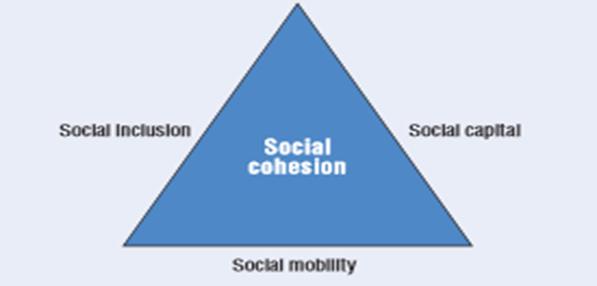
Who would argue against lifting people out of poverty? Today, education transcends curriculum programmes. It provides opportunities for social mobility as individuals are rewarded according to their merit.Interventions in the realms of education may play a significant role in shaping key performance indicators for social outcomes. This short contribution suggests that education may create a fair, just and equitable society for all. Thus, the notion of social cohesion and its constituent elements; social inclusion, social capital and social mobility are some of the concepts which are increasingly being addressed by stakeholders in education.

With better education there may be implications for economic growth, job creation and competitiveness (OECD, 2009). The Ministry of Education and Employment together with the University of Malta and other vocational institutions have always strived in their endeavours to address skill gaps (and mismatches) in the labour market. A lot of discourse has been made about how Malta’s productivity and competitiveness may be improved through active labour market policies and initiatives. For instance, more participation of women in the job market, flexible working arrangements, the provision and affordability of child-care facilities as well as out-of-school centres may possibly help to bring more social cohesion and a better living for all members of society. In addition, lifelong learning and employment opportunities are also vital elements of any social cohesion agenda. Through education and training, individuals will acquire knowledge and cultivate skills and competences which are relevant to their employers. Consequently, educational outcomes will influence social inclusion, social mobility and social capital as illustrated hereunder in Figure 1.

sc

Figure 1: The Components of Social Cohesion (OECD, 2011)

The schooling experience itself impacts social cohesion as it shapes and transmits common values that underpin social capital and inclusion. Education has the potential to bring social cohesion through civic and societal engagement. To my mind, how children are schooled may impact on their sense of belonging to a society. It is important to realise that certain instruments that reduce opportunity costs of continued education can possibly improve student attainment levels. Young adolescents who leave education and training prematurely will lack the necessary skills and qualifications which are essential for their employment prospects. It may appear that, Malta is responding to the contentious issue of early school leaving (ESL) through the provision of ongoing training schemes as well as employer incentives. The Employment and Training Corporation is also using the European Union’s Training Aid Framework (TAF) which is co-funded through the European Social Fund to strengthen the employability prospects of the Maltese work force. In a nutshell, this programme sponsors students, employees and unemployed individuals to train themselves in areas which are required by the labour market. The Ministry of Education and Employment has always been committed to increase the number of students in higher education. Interestingly, Malta’s National Reform Programme under the Europe 2020 Strategy has yielded some preventative measures against ESL, including; the implementation of the “National Curriculum Framework”; the provision of more opportunities for vocational education and training (VET) in compulsory education; the strengthening of the existent “Validation of Informal” and “Non-formal Learning” as well as the development of new forms of teaching and learning, such as “e-Learning”. This programme posits that intervention measures include; a review of extant measures with a focus on school, parent, teacher collaboration, the development of a multi-stakeholder approach to address the needs of particular groups of students at risk of ESL and the further strengthening of guidance throughout compulsory education. As a result, this reform programme has set clear and measurable targets in this regard, as it emphasised the importance of effective delivery and visible results. Apparently, stakeholders in education are committed to taking steps to improve the provision of training, skills and qualifications. Year after year, the smallest EU state is raising the quality of its education and training systems to encourage a greater participation of its workforce in the labour market.

Malta has recognised the importance of reducing its number of unqualified school leavers. Lifelong learning, ongoing training opportunities and continuous professional development can offer valuable support to more vulnerable people. Measures including; better access to childcare, more flexible working schemes and employer incentives are surely helping individuals, particularly women to return to work. This short contribution suggests that the pursuit towards continuous improvement in educational scale and social progress can create a virtuous cycle of productivity outcomes and economic growth.

Leave a comment

Filed under Education, Social Cohesion

Davos 2014 calls for corporate responsibility

[Video]

Davos 2014 calls for Corporate Sustainability and Responsibility: #CSR brings benefits to both business and society! #SharedValue

Leave a comment

Filed under Corporate Sustainability and Responsibility

Google’s Advantage in Native Advertising

google

There are many internet users who may be wary of their privacy settings and on the information they share online. One of the reasons is that it is very likely that ICT giants like Google and Facebook may know their users very well. Google, in particular might know where its users are, the places they go to, the location of their home address and where’s their place of work, who are its users’ closest friends, the things they like, the websites they browse and in many cases, even the content of their emails.

Provided that individuals don’t mind giving up a chunk of personal data, their life can be made a bit easier by the web’s services. The internet’s mantra is to make information more useful, accessible and readily available to everyone. Nowadays, we use our tablets or smart phones and visit dozens of websites to learn about products and services. Savvy consumers like to compare prices whether they are buying items online or in retail stores. The latest technological developments and additional sources of information are influencing consumer behaviour as it appears that they are becoming more frugal in their purchase decisions. Consumers are seeking better value and good deals in return for their money.

Google is increasingly exposing its search functionality to its users. Last year, it tested a ‘Knowledge Graph’ pop-up which featured a carousel of images along with certain search results on hotel accommodation. As with restaurants and bars, review scores and recommendations are usually generated by consumers themselves rather than through conventional search engine optimisation tricks. It seems that Google’s drive is to personalise the search experience through ‘meta-search’ tools which aim to recognise what exactly users are looking for. In this day and age, it is very important to understand the broader context of consumers’ search queries. For instance, internet users may start searching for flights. Afterwards they might browse for hotels, then restaurants as well as cultural activities. Evidently, Google is responding to such queries by bringing up pictures of neighbourhoods, reviews as and also Trip Advisor content.

Recently, Google has been looking for the meaning beyond its users’ search content. Before September 2013, Google’s searches were focused on site content which improved its results by penalising low-quality material. However, the search engine’s latest algorithm, Google Hummingbird is focusing more on the search query itself. Hummingbird has implemented something called “conversational search” in order to better understand what users want when they either type or speak a search query into Google’s search engine. For example; the query, “Where can I buy a smart phone, near me?” Pre-Hummingbird Google would have prioritised search results that match individual words – like “buy” and “smart phone.” With Hummingbird, Google can better understand what users want from their query. Most probably, Google may know your exact location and hopefully it can find smart phones near you. It may be in a better position to determine whether you want a brick-and-mortar store rather than an online retailer. In a nutshell, Hummingbird is focusing on the meaning of the entire search query rather than simply searching for key terms. Hummingbird allows Google to provide its users with more accurate results and better site rankings.

Notwithstanding, Google often utilises its users’ data to re-target advertising to them. Google collates its users’ profiles with their data. Personal information is being used by Google for business purposes. Google Adwordsdisplays the marketers’ messages in front of potential customers; right when they’re using its search engine, watching a video on YouTube or when they are receiving their email through Gmail. As a result, online marketing ads appear on google users’ screens. These ads capture the users’ attention by providing certain content which may possibly appeal to them as potential customers. Such online advertising is called ‘native advertising’. Professional marketers are capable of producing relevant content which can entice customers’ to purchase their products or services. The right content is personalised in both its form and function according to individual customers’ needs and wants. This way, paid advertising may feel less intrusive and there’s a better chance that internet users will click on these web ads. The most popular formats for native advertising usually feature promoted articles, images, videos, music as well as other media.

In the past few years tech giants, particularly Google strived in their endeavours to gather valuable information about their users’ interests, the things they look for, their friends, the places they like and what have you! Google maintains that it can better serve its users if they voluntarily disclose their data on the web.

Leave a comment

Filed under Google, Marketing

A Recent Portrait of Asian Travellers

Travelzoo Asia Pacific has released its annual subscriber survey findings that show that this year they are forecasting an increase of 17 percent in travel budgets over 2013. The results also indicate certain changes in vacation spending patterns of the Chinese travellers. It transpires that the majority of them are willing to spend more to upgrade their holiday experiences as they are opting for high-end accommodations.

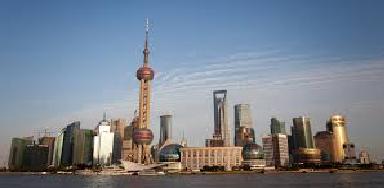
shaThe Pearl landmark in Shanghai.

This survey mapped changes in consumer behavioural attitudes and it also provides a benchmark for the travel industry across the Asia Pacific region. A study was conducted among 3,400 Travelzoo subscribers between November 24 to December 15, 2013. The informants hailed from Australia, China, Hong Kong, Japan and Taiwan.

This quantitative study suggested that the Chinese travellers will continue to lead the region with regards to travel frequency. On average the mainland Chinese subscribers are expected to travel about 6.5 leisure trips and will spend around USD $8,200 each during 2014. These figures are followed by the Japanese segment, with 5 leisure trips and an average expenditure of USD $4,800. The Taiwanese with 4.4 leisure trips and an average expenditure of USD $6,170; and Hong Kong travellers with 4.3 leisure trips and an average spend of USD$6,900. Curiously, Australians will travel the least, with an average of 3.5 leisure trips in 2014. However, this study suggests that they will fork out the most. The Ozzies will be spending over USD $9,340 for their vacations this year.

When respondents were asked to describe their attitude towards leisure travel, 62 percent of the informants indicated that they would prefer to explore the destinations at their own pace. Fifty four percent declared that they want to rest and relax during their vacations. Almost half of the informants would like to improve on the quality of their vacation package. The informants revealed that they will spend more on hotels, food and entertainment, and less on shopping. The Chinese subscribers are willing to spend an average of USD $169 per night. This finding is in line with their willingness to spend even more for a better holiday experience.

Group Tours: Interestingly, the Group tours’ appeal continued to decline among all subscribers, with a regional average of 30 percent who will choose to travel in groups. Evidently, the Chinese like to personalise their own travel experiences as only 14 percent go for group tours, and 58 percent purchase accommodation and transportation individually.

All-Inclusive Holidays: Over 51 percent prefer all-inclusive holiday packages and purchasing accommodation and transportation only. Fifty four percent of the Chinese subscribers prefer all-inclusive holiday packages

Mobile Internet: Over 80 percent of Travelzoo Asia Pacific subscribers will be using mobile internet during their holidays. An overwhelming 98 percent of the Chinese subscribers maintained that they will do so, followed by 93 percent Hong Kong subscribers. Eighty four percent of Asian travellers held that the first thing they would do when they reach a café / restaurant or a hotel is to check for the availability of free Wi-Fi.

This study confirms that tourism in the Asia Pacific region is yet another important engine for economic growth. It shows that outbound tourism in Asia is poised to grow further in the coming years. Travel Zoo’s study has also noted some of the emerging trends in the tourism sector. As a result the travel and hospitality businesses will have to respond to their customers’ expectations by offering higher levels of personalised service as well as better quality vacation products. Those tourism practitioners are required to satisfy their customers’ needs and wants, if they want to remain competitive.

Leave a comment

Filed under Marketing

Consumer Behavioural Attitudes: Implications for eTourism

online

Last month, the University of Central Florida’s Rosen College of Hospitality Management in collaboration with Elsevier organised the 2nd World Research Summit for Tourism and Hospitality in Orlando. During this inspiring event, one of the keynote speeches featured some interesting findings from a national US survey entitled; ‘The Portrait of American Travellers’. This quantitative study consisted of 2,511 informants (who reportedly were active leisure travellers in 2013); who reside in households with an annual income of $50,000 or more (they also included “affluent travellers” with an annual income over $125,000); who have taken at least one leisure trip of 75 miles or more from home during the previous 12 months (who have used overnight accommodations).

The survey, which was conducted during February 2013, has provided an in-depth examination of the impact of the current economic environment, prevailing social values, and emerging media habits on the travel behaviour of Americans. Unlike most surveys in the travel category this particular study explained how consumers plan, purchase and share information about their travel experiences. It also revealed some of the underlying motivations that often influence travel decisions. Respondents were selected randomly and screened before they voluntarily participated in a 45-minute online survey. The study indicated that all tests of statistical significance were made at the 95 percent level of confidence.

In a nutshell, this American study has shown that the latest advances in technological developments and additional sources of information are increasingly influencing the tourists’ choice of tourism destinations. Apparently, travellers are becoming more frugal in their purchase decisions. They are often making smarter options, seeking better value and good deals in return for their money. Travel shopping sites such as Kayak and Dealbase have gained in popularity and are now used to make travel reservations by 28 percent of travellers. Interestingly, this figure rose from a mere 15 percent in 2010. Meanwhile, six in 10 leisure travellers (58 percent) typically use an online travel agency (OTA) such as Expedia, Travelocity or Orbitz to research travel. Yet, at the same time the use of OTAs to make travel reservations is down from 66 percent in 2010 to 58 percent in 2013.

Evidently, the tourism and hospitality enterprises have become cautious in pricing their products (and services) and they often resort to revenue management tactics. This study suggests that travellers are planning to spend slightly more on travel / vacations as 82 percent of the informants have indicated that they are planning to take as many (or even more) trips in 2014 when compared to last year.

Some of the most significant results of this study include:

  • Low Cost versus Legacy Carriers: Since the cost of travel remains a major issue in influencing leisure travel preferences, it follows that half of all leisure travellers (47%) prefer travelling on a low-cost carrier. Only three in ten (30%) prefer to fly on a full-service carrier. However, one-quarter (23%) have no preference. And it should be noted that leisure travellers are significantly more likely to prefer a low-cost carrier today than in previous years – in 2010 only 42% favoured such carriers.
  • Digital Marketing: More than eight in ten leisure travellers use the internet to either obtain travel information (87%) or make travel reservations (83%). 54 percent have downloaded airline branded apps, followed by hotel branded apps (38 percent), and destination guides (27 percent).
  • E-Commerce: More leisure travellers now access the internet via a smartphone (62%) than from the office (59%). Four in ten (43%) also now access the internet from a tablet. Access to the internet via tablets jumped from 7% of all leisure travellers in 2011 to 43% in 2013.
  • Mobile E-Commerce: Smartphone usage among travellers has nearly tripled since 2010, and the act of downloading travel-related applications has also increased dramatically – from 19 percent in 2010 to 36 percent in 2013. Among travellers who have downloaded travel related apps,
  • Social Media: Only 17% of leisure travellers with household incomes over $250,000 have confidence in the information read or seen on a social media site about potential travel destinations. This is significantly lower than the percentage of those with lower household incomes; 25% of leisure travellers with household incomes of $50,000–$124,999 and 21% with household incomes of $125,000–$249,999 have confidence in social media when considering vacation destinations.
  • Word of Mouth. Eight out of ten travellers (82 percent) expressed confidence in the recommendations of friends and family members when considering vacation destinations, while six in ten (58 percent) turned to online advisory sites such as Yelp or TripAdvisor.com. Approximately four in ten travellers (41 percent) are confident in consumer reviews read on a blog, while slightly less (39 percent) are confident in articles found in newspapers, magazines, TV and radio.
  • Going Green for Green. Though eight out of 10 leisure travellers (79 percent) describe themselves as environmentally conscious, just 10 percent are willing to pay higher rates/fares for environmentally-friendly travel services, and only one in 10 (11 percent) has selected an environmentally-friendly travel service supplier who demonstrates environmental responsibility. Four in 10 (44 percent) indicated that they would probably choose an environmentally-friendly travel supplier who expresses concern about the environment over one who does not.
  • Consumer Outlook: Three-fourths of leisure travellers (73%) are optimistic about their own future and the future of their children (73%), while six in ten are optimistic about the future of their job (62%) or company (61%).

For more information about these latest travel and tourism industry insights are also available on MMG Worldwide.

Leave a comment

Filed under Marketing

Key trends in Tourism for 2014

itb

The annual ITB World Travel Trends Report has indicated that Asia is among the major forces driving the international tourism market. According to IPK International, many Asian countries have experienced impressive growth in travel and tourism. In a nutshell, their findings indicate that the Chinese are becoming frequent travellers as their affluent Japanese neighbours are spending considerably less in tourism and hospitality products. Apparently, the Chinese market is now the world’s number one when it comes to travel expenditure. This report also suggests that Chinese tourists rank second for travelling abroad and are fourth for overnight stays.

In 2012 the Chinese citizens have made around 45 million trips abroad and spent approximately 84.4 billion dollars. Overall, international departures from Asia have increased by eight per cent during the first eight months of 2013. It is the Chinese market which has actually contributed towards this trend. There was an astonishing 26 per cent increase in Chinese travelling internationally over the previous year. On the other hand, the Japanese have travelled less (i.e. -2 per cent). For 2014, the Chinese people are expected to travel even more than this year, as departures are forecasted to increase by around 18 per cent.

In a similar vein, this year’s arrivals in Asia were very encouraging. According to the World Tourism Organization (UNWTO), between January and August, international arrivals grew by 6.3 per cent when compared to 2012. There was an increased demand for Southeast Asia and Southern Asia as tourism arrivals grew by 12 per cent and 6 per cent, respectively. There was a growth rate of 4 per cent in the Pacific region. Arrivals in northeast Asia rose by three per cent.

The Chinese market was the most eager to travel among other Asian countries. Their holiday stay (which exceeded four nights) have risen by 28 per cent, whereas short trips / weekend breaks have increased by around 21 per cent. This sharp surge in tourism figures shows that the Chinese have emerged as the world biggest spenders, averaging around USD 1,765 per trip. Apparently, their main reason for travelling abroad is for holiday / vacation purposes. Such trips rose by 30 per cent this year. City breaks and beach holidays also became very popular for this market segment. At six per cent, the business travel market (which also comprises MICE) grew moderately on the previous year.


Typically, the Chinese travelled mainly within Asia, while long-haul trips to Europe and America followed in the second place. Interestingly, this travel boom is set to continue as experts are predicting that the Chinese will be just as eager to travel during 2014. Around 44 per cent of the respondents from China declared that they intended to travel more next year. Although, only seven per cent of Chinese citizens earn more than 15,000 dollars a year, the country’s competitiveness and economic growth prospects are bringing a demographic shift that is characterised by a fast-growing, wealthy middle class. This is in stark contrast to other Asian nations such as Japan, South Korea and Taiwan. For instance, international trips in Japan fell by an overall two per cent, while overnights and spending dropped by three and six per cent, respectively. To add insult to injury, the business travel market has suffered even worse than holiday trips in Japanese destinations. Generally, there was a downward spiral in demand for long-haul destinations. In 2012, long trips have dropped by around 20 per cent in the Asian continent. This was largely offset by an increase in city breaks and beach holidays. Very few of the respondents from Japan said they wanted to travel more than this year despite Japan’s economy is on the road to recovery. It is likely that the Japanese market will probably stagnate in 2014.


By and large, tourism forecasts are indicating a growing eagerness for travel and tourism over the next few years. This is mainly attributed to the Chinese economic growth and its expanding middle class, that is both educated and young. Moreover, the emerging low cost carriers in the region are making travelling much easier and affordable.

More information is available here: http://www.ipkinternational.com/en/read-news/article/34/?cHash=28b716052bd119810a0926c5bd416005

Leave a comment

Filed under Uncategorized