I have just returned back to base after a productive two-day foreign expert meeting.
Once again, it was a positive experience to connect with European academic colleagues, to review and discuss research proposals worth thousands of Euros.
My big congratulations go to the successful scholars who passed the shortlisting phase, based on our evaluation scores.
The best proposals will eventually receive national government funds for transformative projects that will add value to society and the natural environment.
Featuring snippets from an article that was accepted for publication through Springer’s “Service Business”.
Suggested citation: Camilleri, M.A., Bhatnagar, S.B. & Chakraborty, D. (2025). Exaggerated statements in online consumer reviews: Causes and implications. Service Business, 19, Art. 19, https://doi.org/10.1007/s11628-025-00590-6
Abstract
This study investigates the factors that contribute to the creation of inflated consumer testimonials. Quantitative data were gathered from four hundred forty (440) respondents who shared their service experiences through popular social media platforms. A covariance-based structural equations model approach has been used to analyze the data. The results suggest that psychological and emotional factors including the consumers’ self-image, self-enhancement as well as their motivations for retribution against service providers, are having a significant effect on the development of amplified review content.
Researchers have frequently reported that certain individuals tend to misrepresent facts and may willingly decide to deceive other persons, in their daily conversations, including in virtual ones (Moqbel and Jain 2025; Sahut et al. 2024). It is very likely that such persons would fabricate content when they engage in online conversations (Plotkina et al. 2020) and may even create inflated claims in their user generated content, while sharing personal experiences with online users (Belarmino et al. 2022; Bozkurt et al. 2023). Electronic word of mouth communications, like online reviews, are not always truthful (Camilleri, 2022; Kapoor et al. 2021; Lee et al. 2022; Tomazelli et al. 2024), as they may frequently feature inflated claims (Román et al. 2023). A few researchers have even suggested that exaggerated reviews can have an adverse effect on their credibility (Chatterjee et al. 2023).
A lack of credibility and trustworthiness in online reviews could negatively affect the consumers’ perceptions and attitudes toward the business (Camilleri and Filieri 2023; Tan and Chen 2023). For instance, Fong et al. (2024) distinguished between trustworthy and untrustworthy content presented in online consumer testimonials. Yet, for the time being, there is still scarce research focused on the propagation of inflated claims in online reviews (Arif and Chandwani 2024). Various researchers have often attempted to find ways to detect misinformation and prefabricated online content including in social media and review platforms (Chen et al. 2022).
However, in many cases, it proves difficult to recognize the identities of those reviewers who are sharing overblown and deceitful statements about their experiences in online platforms (Bylok 2022). Notwithstanding, there may be different reasons why individuals engage in deceptive behaviors. People may decide to deceive others for personal gain, and/or to protect their own image or reputation. Their intention could be to manipulate others to achieve desired outcomes (Min and Wakslak 2022). Alternatively, they may rationalize their deceitful behaviors due to psychological factors. Such individuals would probably convince themselves that their actions are justified or harmless (Costa Filho et al. 2023; Petrescu et al. 2022).
Undoubtedly, the topic about deceitful, unreliable and inflated online reviews warrants further investigation, as these electronic word-of-mouth communications may constitute false advertising or fraud. Prospective consumers can be manipulated and misled into buying substandard or misrepresented products/services. For example, the use of generative AI could exacerbate the pervasiveness of fake inflated review content with high linguistic sophistication. Hence, it may prove hard for online users to detect the legitimacy and veracity of consumer reviews. Certainly, further investigation is warranted on this topic, to better understand the incidence and the scale of the exaggerated claims featured in user-generated content, their underlying motivations and drivers, as well as the identification of technological and regulatory responses.
In this light, this research identifies the factors and the extent to which online users share overstatements and amplified assertions in consumer review platforms. Specifically, the underlying research questions are: [RQ1] How and to what extent are the consumers’ altruistic intentions to provide customer-focused reviews contributing to the development of exaggerated claims in their testimonials? [RQ2] How and to what extent are the consumers’ constructive reviews aimed at service providers having an effect on the development of exaggerated claims in their testimonials? [RQ3] How and to what extent are the consumers’ psychological factors including their self-esteem and self-image having an effect on the development of exaggerated claims in their testimonials? [RQ4] How and to what extent are the consumers’ dissatisfaction levels with the services they receive and their retribution motivations having an effect on the development of exaggerated claims in their testimonials?
This empirical study builds on extant theoretical underpinnings related to the interpersonal deception theory (Buller and Burgoon 1996; Buller et al. 1996; Burgoon 2015; Gaspar et al. 2022) to delve into the factors that can lead consumers to create inflated claims in online reviews (Hill Cummings et al. 2024; Valdez et al. 2018). The researchers validate constructs that were tried and tested in academia including altruistic motivations to support prospects and/or businesses (Hennig-Thurau et al. 2004; Yoo and Gretzel 2008), perceived self-enhancement, perceived self-image and retribution behaviors (Yoo and Gretzel 2008).
Unlike previous studies, that focus on how reviews could influence purchase decisions, or those that investigate the rationale for sharing reviews, this contribution examines the processes and motivations that lead to the articulation of exaggerated claims in testimonials (that can be either positive or negative). From the outset, this original research rejects the dominant assumption that inflated reviews are simply driven by the consumers’ egos, or from their malicious intentions. On the contrary, it suggests that altruistic appraisals that are meant to support prospective customers, constructive criticism to service providers or feedback motivated by retributive intentions, after experiencing service failures, and/or the integration of psychological self-concepts could amplify or trigger exaggerated claims in consumer reviews. As far as the authors are aware, for the time being, there are no other studies that have integrated the above factors in the same conceptual model by referring to the interpersonal deception theory as an exploratory lens. Therefore, this contribution aims to address this knowledge gap, in the tourism and hospitality industry context. The study advances a novel theoretical model that is empirically tested, in terms of the constructs’ reliabilities and validities. Moreover, it also sheds light on the significance of the causal paths that predict the consumers’ likelihood of creating exaggerated content in review platforms.
This is an excerpt from one of my contributions on the use of responsive chatbots by service businesses. The content was adapted for this blogpost.
(Source: Google Gemini)
Suggested citation: Camilleri, M.A. & Troise, C. (2022). Live support by chatbots with artificial intelligence: A future research agenda. Service Business, https://doi.org/10.1007/s11628-022-00513-9
Chatbots are usually considered as automated conversational systems that are capable of mimicking humanlike conversations. Previous research suggested that, at times, human beings are treating computers as social beings (Nass and Moon 2000; Nass et al. 1994; Rha and Lee 2022) although they are well aware that dialogue programs do not possess emotions, feelings and identities. Individuals may still perceive that service chatbots have some sort of social presence when they interact with them (Leung and Wen 2020; McLean et al. 2020; Pantano & Scarpi, 2022; Schuetzler et al. 2020), even though these technologies are capable of responding to thousands of potential users at once (Caldarini et al. 2022).
Currently, few academic contributions are using theoretical bases like the social presence theory (Grimes et al. 2020; Schuetzler et al. 2020) and/or the social response theory (Adam et al. 2021; Huang and Lin 2011), to explore human-computer interactions, and/or the utility of dialogue systems like chatbots, albeit a few exceptions. A few commentators made specific reference to related theories to describe the characteristics of chatbots or of conversational 4 agents, that are primarily used for consumer engagement purposes (Cheng and Jiang 2020; Kull et al. 2021; Mostafa and Kasamani 2021; Nuruzzaman and Hussain 2020).
The human machine communication theory was formulated in response to the growing number of technologies like AI and robotics, that are designed to function as message sources, rather than as message channels (Flavián et al. 2021). Lewis et al. (2019) contended that social bots, and even a few chatbots have pushed into the realm of what was thought to be a purely human role. Wilkinson et al.’s (2021) study shed light on the human beings’ perceptions about conversational recommender systems. In this case, the authors went on to suggest that experienced users trusted their disruptive technologies and had higher expectations from them.
Other researchers examined the online users’ trust toward chatbots in various settings (Balakrishnan and Dwivedi 2021; Borau et al. 2021; Cheng and Jiang 2020; De Cicco et al. 2020; Hildebrand and Bergner 2021; Kushwaha et al. 2021; Mozafari et al. 2021; Nuruzzaman and Hussain 2020; Pillai and Sivathanu 2020). Eren (2021) confirmed that the users’ performance perceptions regarding the use of chatbots positively affected their customer satisfaction levels in the banking sector. This finding is in line with the expectancy violation theory, as individuals form expectations following their interactions with information systems (Chopra 2019; Neuburger et al. 2018).
The individuals’ social expectations from conversational technologies are especially pronounced when they incorporate cues of humanness (Adam et al. 2021; Pfeuffer et al. 2019), that are not present in traditional systems like websites, mobile applications, and databases (Belanche et al. 2021). The anthropomorphic features of AI dialogue systems make it easier for humans to connect with them (Adam et al. 2021; Becker et al. 2022; Forgas-Coll et al. 2022; Van Pinxteren et al. 2020).
In many cases, a number of quantitative researchers have investigated online users’ perceptions and attitudes toward these interactive technologies. Very often, they relied on valid measures that were tried and tested in academia. Some utilized the theory of reasoned action (Huang and Kao, 2021), the theory of planned behavior (Brachten et al. 2021; Ciechanowski et al. 2019), the behavioral reasoning theory (Lalicic and Weismayer 2021), the technology acceptance model (Kasilingam 2020) or the unified theory of acceptance and use of technology (Mostafa and Kasamani 5 2021), as they sought to investigate the individuals’ utilitarian motivations to use chatbot technologies to resolve their consumer issues. Others examined the users’ gratifications (Cheng and Jiang 2020; Rese et al. 2020), perceived enjoyment (De Cicco et al. 2020; Kushwaha et al. 2021; Rese et al. 2020), emotional factors (Crolic et al. 2021; Lou et al. 2021; Schepers et al. 2022; Wei et al. 2021), and/or intrinsic motivations (Jiménez-Barreto et al. 2021), to determine whether they were (or were not) affecting their intentions to use them.
Pleased to share that I have recently coauthored an open-access article about the growth hacking capabilities of small and medium-sized enterprises (SMEs). It has been published in collaboration with my Italian colleagues from the University of Turin, via the Journal of Business Research.
Our research confirms that SMEs can leverage their growth potential through return-generating investments in disruptive innovations and by harnessing big data analytics. In sum, it suggests that core competencies, resources, and capabilities in these areas, can enhance the SMEs’ financial and operational performance.
Suggested citation: Giordino, D., Troise, C., Bresciani, S. & Camilleri, M.A. (2025). Growth hacking capability: Antecedents and performance implications in the context of SMEs, Journal of Business Research, 192, https://doi.org/10.1016/j.jbusres.2025.115288
Featuring a few snippets from one of my latest co-authored papers on the use of digital technologies for lean and sustainable value chains. A few sections have been adapted to be presented as a blog post.
Suggested citation: Strazzullo, S., Cricelli, L., Troise, C. & Camilleri, M.A. (2024). Leveraging Industry 4.0 technologies for sustainable value chains: Raising awareness on digital transformation and responsible operations management, Sustainable Development, https://doi.org/10.1002/sd.3211
Abstract
Practitioners, policy makers as well as scholars are increasingly focusing their attention on the promotion of sustainable practices that reduce the businesses’ impacts on the environment. In many cases, they are well aware that manufacturers and their suppliers are resorting to lean management processes and Industry 4.0 (I4.0) technologies such as big data, internet of things (IoT), and artificial intelligence (AI), among others, to implement sustainable production models in their operational processes. This research utilizes an inductive approach to better understand how I4.0 technologies could result in increased organizational performance in terms of resource efficiencies, quality assurance as well as in environmentally sustainable outcomes, in the context of the automotive industry. The findings shed light on the relationship between I4.0 technologies, sustainable and lean practices of automakers of combustion engines, hybrid models and/or electric vehicles (EVs). In conclusion, this contribution puts forward an original conceptual framework that clearly explains how practitioners can avail themselves of disruptive technologies to foster continuous improvements in their value chain.
Keywords: Industry 4.0, digital transformation, lean management, sustainable supply chain, responsible operations management, resource efficiencies.
Introduction
The manufacturing industries are characterized by their increased emphasis on the development of sustainable practices that are facilitated by digital technologies. Companies are under pressure from a wide range of stakeholders, including by regulatory institutions and by individual customers, among others (Wellbrock et al., 2020). In parallel, in recent years, most businesses have gradually introduced Industry 4.0 (I4.0) technologies in their manufacturing processes, as they shifted to smart factory models (Atif, 2023; Choi et al., 2022; Varriale et al., 2024). However, they cannot disregard their corporate responsibilities on economic, environmental and social aspects (Sunar & Swaminathan, 2022). Many researchers contend that sustainability behaviors ought to be integrated with I4.0 processes (Ghobakhloo, 2020), in order to enhance the effectiveness, efficiencies and economies of their Supply Chains (SC) (Núñez-Merino et al., 2020). To be competitive in this context, SCs are implementing lean management models to improve their operations.
The sustainability of SC is related to the notion of Lean Supply Chain Management (LSCM) that refers to the elimination of non-value-added activities in order to enhance the manufacturing firms’ performance (Centobelli et al., 2022; Núñez-Merino et al., 2020). The proponents of LSCM suggest that the generation of waste can be reduced through responsible management strategies (Deshpande & Swaminathan, 2020). Arguably, the minimization of externalities can ultimately affect all stakeholders of SCs, ranging from the business itself, its suppliers as well as its consumers (Khorasani et al., 2020). Notwithstanding, the stakeholders’ pressures on organizations has led them to change their operational approaches to comply with new environmental regulations and to respond to the growing demands of customers for sustainable products and services (Adomako et al., 2022; Camilleri et al., 2023).
As a result, many commentators are also raising awareness on the Sustainable Supply Chain Management (SSCM) concept (Sonar et al., 2022; Yadav et al., 2020). Very often, they claim that SSCM is an important organizational model that can increase corporate profits and boost market shares. The SSCM proposition is based on the reduction of risks from unwanted environmental impacts, thereby improving the overall efficiency of SCs (Negri et al., 2021). Previous contributions have clearly demonstrated how LSCM and SSCM are closely related to one another (Azevedo et al., 2017). More recent studies have deepened the link between the lean management paradigm and I4.0 (Oliveira-Dias et al., 2022; Tissir et al., 2022). The integration of these two concepts has led to the formulation of new definitions such as “Lean 4.0” and “Digital Lean Manufacturing”, among others.
Given the increased complexity of operations, many researchers debate that the introduction of lean practices may not be enough to address extant competitive pressures. Although lean management can improve the operational efficiencies of SCs and may add value to their organization, there is still scope for practitioners to continue ameliorating their extant processes. Lean initiatives are reaching a point where they are becoming common practice in different contexts. Many manufacturers are adopting them to reduce their costs. However, the success of lean production practices relies on the management’s strategic decisions and on operational changes they are willing to undertake. Arguably, both SSCM and LSCM are aimed at fostering more flexible, fast, customized, and transparent operations management in manufacturing and distribution systems. Some studies have already clarified how digital technologies can help practitioners to improve achieve these objectives (Ghobakhloo, 2020; Varriale et al., 2024).
Several academic studies have not considered the fact that SCs are becoming more technologically savvy. As technologies continue to evolve, they are transforming the modus operandi of many businesses. Today’s organizational processes are increasingly utilizing different types of innovative solutions. Undoubtedly, manufacturers ought to keep up with the latest advances in technology and with the changing market conditions. Besides, a number of firms are opting to outsource their manufacturing processes to low-cost developing countries. In this light, this research builds on theoretical underpinnings focused on the link between SSCM and LSCM. However, it differentiates itself from previous contributions, as it clarifies how these two paradigms can be connected to I4.0.
Notwithstanding, for the time being, there is still a lack of agreement among academia, policy makers and expert practitioners about what constitutes lean, sustainable systems in today’s manufacturing landscape. Although there a number of stakeholders who are already engaging in LSCM and SSCM practices to meet the new challenges and opportunities presented by I4.0 and the digital age, others are still lagging behind, or are considering SSCM and LSCM and digital technologies as silos, as they see no link between these approaches (Narkhede et al., 2024).
For example, at the time of writing, several automotive manufacturers claim that they are integrating lean and sustainable practices. Very often, they indicate that they utilize I4.0’s disruptive technologies. Yet, a number of academic commentators argue that some of these practitioners unsustainable manufacturing processes and waste management behaviors are contributing to the negative impacts to the degradation of the natural environment, thereby accelerating climate change (Liu & Kong, 2021; Sonar et al., 2022).
Lately, academic colleagues have sought to highlight the synergies between I4.0 technologies, lean management principles and sustainable practices (Centobelli et al., 2022; Cerchione, 2024). The majority of contributions provide a conceptual study of the potential relationship between I4.0, sustainable and lean SCs. However, to date, limited research have integrated lean SC, SSC and I4.0 technologies. This paper represents one of the first attempts to investigate the connection between SSCM, LSCM and I4.0 paradigms, in depth and breadth, in the context of the automotive industry. For the time being, there is still limited research that raises awareness on sustainable and lean supply chain systems that are benefiting from disruptive technologies (Cerchione, 2024; Guo et al., 2022). Hence, this contribution addresses this knowledge gap. Specifically, it seeks to explore these research questions (RQs):
RQ1: Which I4.0 technologies and to what extent are they supporting the manufacturing businesses in their adoption of sustainable and lean management practices?
RQ2: How is the automotive industry’s SC benefiting from the utilization of disruptive technologies, as well as from sustainable and lean management practices?
The underlying goal of this contribution is to raise awareness on how manufacturing businesses including automotive corporations utilize I4.0 technologies, implement lean management as well as sustainable practices to improve their SCs performance. An inductive approach is utilized to address the above RQs. Rich qualitative data were captured through semi-structured interviews with expert practitioners who hold relevant experience in planning, organizing, leading and controlling responsible operations management initiatives in the automotive industry, and who are already deploying a wide array of I4.0 technologies in their manufacturing processes.
The researchers adopt a hermeneutic approach to outline the thematic analysis (TA) of their interpretative findings. They identify the main intersections between SSCM, LSCM and I4.0 paradigms. Moreover, they provide a conceptual framework that clearly explicates how practitioners can avail themselves of I4.0 technologies to advance sustainable and lean management practices in different phases of the supply chain, including in the sourcing of materials, inventory control, manufacturing processes, logistics/distribution of products, as well as in their after sales services.
Literature review
Companies can create value when they have the competences, capabilities and resources to create products. (Khan et al., 2016). They ought to be flexible and responsive to their customers’ needs, particularly in a competitive environment, like the automotive industry. Indeed, customers tend to evaluate the companies based on the products they sell and on their unique selling propositions (Kumar Singh & Modgil, 2020). The lean management principles can therefore help manufacturers to implement the philosophy of continuous improvements in their operational performance (Marodin et al. 2016), in order to add value to their customers, and to increase the likelihood of repeat business (Liker, 2004; Papadopoulou & Özbayrak, 2005).
Such ongoing improvements are not only relevant during production (e.g. within the automotive workshops) but may also be implemented throughout the entire SC, including in customer-facing environments (Cagliano et al., 2006). There are a number of lean management approaches that can be taken on board by different manufacturers including by automakers. Table 1 provides a list of lean practices (that could also be adopted within the automotive industry):
Table 1. A non-exhaustive list of lean management terms
Lean Practices
Definitions
References
Andon
Andon is a quality control signaling system that provides notifications on issues relating to the maintenance of certain operational processes. An alert can be activated automatically through automated systems or manually by employees. As a result, Andon systems can pause production so that operational issues can be rectified.
(Saurin et al., 2011)
Heijunka
Heijunka is intended to improve operational flows by reducing the unevenness in production processes and by minimizing the chance of overburden. It can used to process orders according to fluctuations in demand, and to respond to changes by levelling production by volume or by type, thereby utilizing existing capacity in the best possible way.
(Nordin et al., 2010)
Jidoka
Jidoke refers to automated systems that are monitored and supervised by humans. It is used to improve the product quality and to prevent any malfunctions during manufacturing processes.
(Liker & Morgan, 2006)
Just in time (JIT)
A JIT system is an inventory management strategy that is based on forecasted demand. It aligns purchasing and procurement tasks with production schedules. Companies employ this lean strategy to increase their efficiency by reducing overproduction, unnecessary waiting times, excessive inventory, product defects and unwanted waste. JIT is evidenced when materials and goods are ordered, only when they are required.
(Mayr et al., 2018; Sanders et al., 2016)
Kaizen
Kaizen is a lean production management approach that promotes continuous improvements in manufacturing processes on a day-by-day basis. This notion is based on the idea that ongoing positive changes will gradually result in significant improvements in the long run. Organizations adopting Kaizen will motivate their employees to consistently boost their productivity, reduce waste, lower defects and to be accountable in their jobs.
(Valamede & Akkari, 2020)
Kanban
Kanban involves a scheduling system that can improve operational efficiencies in lean manufacturing environments. One of its main advantages is to limit the buildup of excess materials and resources at any point in time during operational processes. Practitioners ought to ensure that they are maintaining a predefined inventory level for production purposes.
(Valamede & Akkari, 2020)
Pull Production (PP)
PP is a lean management methodology that is intended to control production processes in order to limit overproduction, reduce surpluses and to minimize warehouse costs. PP can be used to determine the optimal quantity that should be produced. Production occurs when and where it is needed, according to demand.
(Sanders et al., 2017b)
Total Productive Maintenance (TPM)
TPM is a holistic maintenance approach that is used to improve operational efficiency and product quality, by eliminating failures and defects. Moreover, it promotes a safe working environment to prevent accidents from happening. It also aims to motivate employees to improve their job satisfaction, productivity and organizational performance
(Mayr et al., 2018; Valamede & Akkari 2020)
Value Stream Mapping (VSM)
VSM (is also known as material- and information-flow mapping) is a lean management method that involves the analysis of extant operations to better plan operational procedures, for the future. It is a visual tool that describes (in detail) all critical steps in specific manufacturing processes.
(De Raedemaecker et al., 2017; Wagner et al., 2017)
Table 2 describes some of the most prevalent sustainability practices that are being employed in the automotive industry, as well as in other manufacturing contexts.
Table 2 Sustainable practices adopted by manufacturing businesses
Sustainable Practices
Definitions
References
Sustainable Total Quality Management (STQM)
STQM is a management approach that relies on the participation of all members of staff to create long-term value to their organization and to society at large, by considering the triple bottom line objectives in terms of profit, people and planet.
(Yadav et al., 2020)
Local sourcing
Local sourcing is related to the procurement of products, resources or materials from producers and suppliers located in close proximity to the manufacturing facility, rather than acquiring them from international sources. This approach encourages companies to purchase their requirements from local suppliers to reduce costs and to minimize their impact on the environment.
(Zailani et al., 2015)
Sustainable cooperation with customers
“Sustainable cooperation with customers” involves the businesses’ engagement activities with customers. Organizations can increase their customers’ awareness about social responsible issues and environmentally sustainable initiatives.
(Eltayeb et al., 2011; Purba Rao, 2018)
Sustainable employee engagement
“Sustainable employee engagement” is associated with the organizations’ relationship with its employees. Employers are expected to treat their employees well with dignity and respect. It is in their interest to foster an organizational climate that rewards their hard in a commensurate manner.
(Robinson et al., 2003)
Supplier certification International Standards Organization’s (ISO’s) Environmental Management Standard (ISO14001)
ISO14001 is one of the most widely used environmental management standard. It encourages manufacturing practitioners to continuously improve their operations to minimize their impact on the environment. It clearly recommends that environmental management issues ought to be embedded within the organizations’ strategic planning processes and that business leaders should pledge their commitment to implement sustainable initiatives that are aimed to protect the environment and to mitigate climate change.
(Camilleri, 2022; Potoski & Prakash 2005)
Waste and emissions reductions
The “waste and emissions reductions” constitute one of the most important aspects of sustainable production. Manufacturing businesses ought to reduce the generation of externalities including the accumulation of waste and emissions resulting from their operations. They are expected to strictly comply with the relevant legislation to protect the environment and to prevent any detrimental effects from waste and emissions on eco systems.
(Vijayvargy & Agarwal, 2014)
Table 3 sheds light on some of I4.0 technologies that are being employed within the automotive industry.
Table 3. I4.0 technologies that are utilized in the automotive industry
I4.0 Technologies
Definitions
References
Three-Dimensional (3D) printing
3D printing is based on additive technology that can create solid objects from computer-aided design (CAD) software, or via 3D models.
(Kamble et al. 2018)
Artificial Intelligence (AI)
AI is concerned with computers and machines that are capable of mimicking human reasoning, human learning and even human behaviors. Basically, it involves a set of machine learning and deep learning technologies that can be used to analyze, predict and forecast data, to categorize objects, to process natural language, to make recommendations, and to retrieve intelligent data retrieval.
(Chae and Goh 2020; Ghobakhloo 2020)
Augmented Reality (AR)
AR enables its users to view virtual content that comprises multiple sensory modalities that may include visual, vocal, haptic, olfactory, and other somatosensory stimuli in a real-world environment.
(Mayr et al., 2018; Rüßmann et al., 2015)
Big Data (BIG DATA)
BIG DATA refers to data sets that are too large or complex to be dealt with via conventional data processing software. Supposedly, big data software can rapidly handle large volumes as well as a variety of information.
(Swaminathan, 2018; Vaidya et al., 2018)
Blockchain
A blockchain is a distributed ledger technology that allows its users to track and store records (blocks). The blocks hold transactional data that are securely linked together via cryptographic hashes that are timestamped. Each block is linked to the other.
(Pun et al., 2021)
Cloud computing
Cloud computing refers to on-demand computer resources that can be utilized to share and store data in an agile and flexible manner, beyond company boundaries, through multiple locations.
(Tao & Qi 2019; Vaidya et al. 2018)
Cyber Physical Systems (CPSs)
CPSs are related to physical and software systems that are deeply intertwined to operate spatial and temporal scales. They are controlled and/or monitored by algorithms to interact with each other in ways that change with context. They exhibit multiple and distinct behavioral modalities.
(Adamides & Karacapilidis, 2020; Kamble et al., 2018; Wang et al., 2016)
Internet of Things (IoT)
IoT are physical objects (or groups of objects) with sensors that can enable them to process and exchange data with other devices and systems via the Internet or other communications networks.
(He & Xu, 2014)
Virtual simulation (VS)
VS refers to computational system-based modeling that relies on real-time data to mirror the physical world. Virtual models can include machines, products, and humans. A simulation provides a preliminary analysis of different processes (and phases) that make up the operational processes, thereby presenting performance estimates for production management.
(Li et al., 2018)
Discussion
This research sought to examine the role of I4.0 technologies in supporting sustainable and lean initiatives in SCs. To this end, an inductive study involving a thematic analysis was conducted to answer the underlying RQs. Interestingly, the findings clearly indicate that utilization of I4.0 technologies are opening up new opportunities in the automotive industry. They confirm that carmakers are changing their modus operandi in terms of their procurement of resources, production practices, and of how they are servicing their customers. It shows that a myriad of digital technologies (including big data, simulation and IoT, among others) are facilitating the implementation of lean programs, thereby improving productivity outcomes, whilst decreasing operational costs.
Moreover, it reported that certain disruptive technologies can be utilized to create value to environmental sustainability in terms of waste minimization practices through recycling procedures, reductions in CO2 emissions, lower energy consumption levels, et cetera, thereby diminishing the businesses’ impact on the natural environments. This research noted that the automakers’ implementation of sustainable practices is not as conspicuous as that of their lean management practices, in the academic literature, even though most of them are increasingly producing sustainable vehicles including hybrids and EVs.
In addition, the findings indicate that there is still scope for manufacturing firms to avail themselves of I4.0 systems to consistently improve their operations in SCs. The results reported that big data can be used to pursue continuous improvements and Kaizen approaches to improve efficiencies, lower costs and reduce waste. They revealed that practitioners are collaborating with marketplace stakeholders and utilizing JIT systems to responsibly source materials and resources when they are required. Moreover, they found that organizations are availing themselves of Andon and Jidoka automated systems to monitor and control different manufacturing processes in the supply chain, to ensure the smooth running of operations.
Theoretical implications
This contribution convergences Industry 4.0 and responsible supply chain practices with lean management approaches. It raises awareness on how manufacturers including those operating in the automotive industry, can improve their quality standards through specific tools (e.g. Andon and Jidoka) and techniques (like Kaizen and Kanban, among others), to enhance their efficiencies, reduce costs and eliminate non-value-added activities. It explains that there is scope for sustainable businesses to invest in disruptive technologies and long-term cultural change to achieve continuous improvements in their supply chains. It clarifies that the intersection of LSCM, SSCM and I4.0 can potentially revolutionize operations management, as practitioners can benefit from digital technologies like real-time data, cloud, AI, CPS, blockchain technologies to consistently ameliorate their production systems in a sustainable manner.
Arguably, businesses can avail themselves of big data analytics, simulations and digital twins, to anticipate demand fluctuations, optimize inventory levels, reduce lead times. These data-driven innovations enable them to proactively respond to changing market conditions and disruptions, identify potential disruptions early, and to mitigate risks. In addition, they could invest in Blockchain digital ledger technologies to trace materials, components and products to ensure responsible sourcing of goods, increase the sustainability of their operations and reduce the businesses’ environmental impact.
Alternatively, they can utilize CPS systems to automate tasks, improve quality control and to reduce errors from their production processes. These approaches would probably lead to better resource utilization, waste management and circular economy approaches like recyclability, reusability and repairability of assets to extend their lifecycles. Hence, practitioners can align I4.0 paradigm with the lean principles of pull production and just-in-time systems as well as with sustainable supply chain management. For the time being, few researchers have delved into these promising areas of study. Even fewer contributions have investigated these issues in the automotive industry context. This contribution addresses these knowledge gaps in academia. It advances a comprehensive theoretical framework that clearly sheds light on the link between I4.0, strategic lean management approaches and sustainability outcomes including improved resource efficiencies and reduced externalities, among others.
Managerial implications
Regarding the implications for practitioners, this contribution raises awareness on the importance of using technologies to improve the efficiency, economy and effectiveness of SCs, in a sustainable manner. The interpretative findings of this research identified a set of I4.0 technologies and practices that can improve the performance of SCs in the automotive industry. Among the various I4.0 technologies, the informants identified: IoT, simulation, cloud, and big data as some of the most effective tools to enhance the organizational performance of manufacturing businesses. Generally, they indicated that their companies were relying on insights from big data to continuously improve their operations. Evidently, they captured data as they tracked different processes of their operations, in real time. Subsequently, the gathered data is analyzed to discover any areas for improvement. For example, big data could reveal that modifications may be required if certain processes and procedures are not adding value to the company, or if they are translating to operational inefficiencies and/or to unwanted waste.
Most interviewees showed that they utilized simulations, cloud systems and IoT to adopt JIT, Kaizen, Jidoka, local sourcing, and waste reduction initiatives. They explained how they benefitted from these technologies to optimize their operations, in terms their procurement of materials, as well as in other areas including in distribution and marketing activities. For instance, the findings clearly reported that IoT can support the implementation of local sourcing of resources, by minimizing the vulnerabilities and logistical costs associated with long SCs and could improve efficiency by providing valuable information about machine health, including predictive maintenance requirements, at logistics centers or warehouses.
This research reported that these tools enabled practitioners to monitor the operational performance in all phases of their SC, including from the selection of suppliers until the delivery of after-sales services to their valued customers. As mentioned above, the utilization of systems such as big data, analytics and the use of cloud technologies for data storage are adding value to the companies’ SC. Data-driven technologies facilitate the exchange of information between marketplace stakeholders (e.g. with intermediaries). They can foster lean management approaches by increasing throughput, addressing bottlenecks, streamlining processes and by reducing delays, resulting in improved productivity, operational efficiencies, better time management and in lower risks for SCs.
Macroenvironmental factors, including political, economic, social, and technological issues could also impact on the businesses’ I4.0 digital transformation and implementation of sustainable operations management. The transition towards a zero-waste model could prove to be a costly, long-term investment for businesses including those operating in the automotive industry. Although financial investments in new technologies could possibly improve operational efficiencies (Camilleri, 2019), there could still be a low demand for them, particularly if I4.0 systems require behavioural changes by their users.
This is an excerpt from one of our latest contributions published through The Service Industries Journal. It features snippets from the ‘Introduction’, ‘Theoretical Implications’, ‘Practical Implications’ as well as from the ‘Limitations and Future ResearchAvenues’ sections.
Suggested Citation: Camilleri, M.A., Zhong, L., Rosenbaum, M.S. & Wirtz, J. (2024). Ethical considerations of service organizations in the information age, The Service Industries Journal, Forthcoming. https://www.tandfonline.com/doi/full/10.1080/02642069.2024.2353613
Introduction
Ethics is a broad field of study that refers to intellectual and moral philosophical inquiry concerned with value theory. It is clearly evidenced when individuals rely on their personal values, principles and norms to resolve questions about appropriate courses of action, as they attempt to distinguish between right and wrong, good and evil, virtue and vice, justice and crime, et cetera (Budolfson, 2019; Coeckelbergh, 2021; Ramboarisata & Gendron, 2019). Several researchers contend that ethics involves a set of concepts and principles that are meant to guide community members in specific social and environmental behaviors (De Bakker et al., 2019; Hermann, 2022). Very often, commentators argue that a persons’ ethical dispositions are influenced by their upbringing, social conventions, cultural backgrounds, religious beliefs, as well as by regulations (Vallaster et al., 2019).
Individuals, groups, institutions, non-government entities as well as businesses are bound to comply with the rule of law in their society (Groß & Vriens, 2019). As a matter of fact, the businesses’ organizational cultures and modus operandi are influenced by commercial legislation, regulations and taxation systems (Bridges, 2018). For-profit entities are required to adhere to the companies’ acts of the respective jurisdictions where they are running their commercial activities. They are also expected to follow informal codes of conduct and to observe certain ethical practices that are prevalent in the societies where they are based. This line of reasoning is synonymous with mainstream “business ethics” literature, that refer to a contemporary set of values and standards that are intended to govern the individuals’ actions and behaviors in how they manage and lead organizations (DeTienne et al., 2021).
Employers ought to ensure that they are managing their organization in a fair, transparent and responsible manner, by treating their employees with dignity and respect (Saks, 2022). They have to provide decent working environments and appropriate conditions of employment by offering equitable extrinsic rewards to their workers, that are commensurate with their knowledge, skills and competences (Gaur & Gupta, 2021). Moreover, it is in the employers’ interests to nurture their members of staff’s intrinsic motivations if they want them to align with their organizational values and corporate objectives (Camilleri et al., 2023). Notwithstanding, all businesses, including those operating in service industries have ethical as well as environmental, social and governance (ESG) responsibilities to bear towards other stakeholders in society (Aksoy et al., 2022).
This article raises awareness on a wide array of ethical considerations affecting service organizations in today’s information age. Specifically, its research objectives are threefold: (i) It presents the findings from a rigorous and trustworthy systematic review exercise, focused on “ethics” in “service(s)” and/or “ethical services”. This research involves a thorough scrutinization of the most-cited articles published in the last five (5) years; (ii) It utilizes a thematic analysis to determine which paradigms are being associated with service ethics. The rationale is to identify some of the most contemporary topics related to ethical leadership in service organizations. (iii) At the same time, it puts forward theoretical and practical implications that clarify how, why, where, when and to what extent service providers are operating in a legitimate and ethical manner.
A thorough review of the literature reveals that, for the time being, there are just a few colleagues who have devoted their attention to relevant theoretical underpinnings linked to the service ethics literature (Liu et al., 2023; Wirtz et al., 2023). For the time being, there is still limited research that has outlined popular research themes from the most cited articles published in the past five (5) years. It clearly differentiates itself from previous studies as this contribution’s rigorous and transparent systematic review approach clearly recognizes, appraises and describes the methodology that was used to capture and analyze data focused on the provision or lack thereof of ethical services. In addition, unlike other descriptive literature reviews, this paper synthesizes the findings from the latest contributions on this topic and provides a discursive argumentation on their implications. Hence, this article addresses a number of knowledge gaps in academic literature. In conclusion, it identifies the limitations of this review exercise, and outlines future research avenues to academia.
Theoretical implications
This contribution raises awareness of the underexplored notion of service ethics. A number of commentators are making reference to various theories and concepts to clarify how they can guide service organizations in their ethical leadership. In many cases, a number of theories indicate that decision makers ought to be just and fair with individuals or entities in their actions. Appendix A features a list of ethical theories and provides a short definition for them. For instance, the justice theory suggests that all individuals including service employees should have the same fundamental rights based on the values of equality, non-discrimination, inclusion, human dignity, freedom and democracy. Human rights as well as employee rights and values ought to be protected and reinforced by the respective jurisdictions’ rule of law, for the benefit of all subjects (Grégoire et al., 2019).
Business ethics literature indicates that just societies are characterized by fair, trustworthy, accountable and transparent institutions (and organizations). For instance, the fairness theory raises awareness on certain ethical norms and standards that can help policy makers as well as other organizations including businesses, to ensure that they are continuously providing equal opportunities to everyone. It posits that all individuals ought to be treated with dignity in a respectful and equitable manner (Wei et al., 2019).
This is in stark contrast with the favoritism theory that suggests that certain individuals including employees, can receive preferential treatment, to the detriment of others (Bramoullé & Goyal, 2016). This argumentation is synonymous with the nepotism theory. Like favoritism, nepotism is a phenomenon that is manifested when institutional and organizational leaders help and support specific persons because they are connected with them in a way or another (e.g. through familial ties, friendships, financial, or social factors). Arguably, such favoritisms clearly evidence their conflict(s) of interest, compromise or cloud their judgements, decisions and actions in workplace environments and/or in other social contexts. Many business ethics researchers contend that decision makers ought to be guided by the principle of beneficence (Brear & Gordon, 2021), as they should possess the competences and abilities to recognize between what is morally right and ethically wrong.
This research confirms that frequently, organizational leaders have to deal with difficult and challenging situations, where they are expected to make hard decisions (Islam et al., 2021a; Islam et al., 2021b; Latan et al., 2019; Naseer et al., 2020; Schwepker & Dimitriou, 2021). In such cases, the most reasonable ethical approach would be to follow courses of action that will result in the least possible harm to everyone (Heine et al., 2023). The service organizations’ members of staff are all expected to be collaborative, productive and efficient in their workplace environment. This line of reasoning is related to the attributional theory (Bourdeau et al., 2019) and/or to the consequentialism theory (Budolfson, 2019). Very often, the proponents of these two theories contend that while honest, righteous and virtuous behaviors may yield positive outcomes for colleagues, subordinates and other stakeholders, wrong behaviors can result in negative repercussions to them (Deci & Ryan, 1987; Francis & Keegan, 2020; Lee et al., 2020; Paramita et al., 2021)
Other researchers who contributed to the ethics literature related to the utilitarianism theory, suggest that people tend to make better decisions, when they focus on the consequences of their actions. Hence, they will be in a better position to identify laudable behaviors and codes of conduct that add value to their organization (Coeckelbergh, 2021; Michaelson & Tosti-Kharas, 2019; Ramboarisata & Gendron, 2019). Very often, they argue that there are still unresolved issues in social sciences including the unpredictability of events and incidents from happening (Du & Xie, 2021), and/or the difficulty in measuring the consequences when/if they occur. For example, this review indicated that various authors discussed about the challenges, risks and possible dangers of adopting various technologies including AI, big data, et cetera (Breidbach & Maglio, 2020; Chang et al., 2020; Flavián & Casaló, 2021; Rymarczyk, 2020). In many cases, they hinted that the best ethical choice is to identify which decisions and actions could lead to the greatest good, in terms of positive, righteous and virtuous outcomes (Budolfson, 2019; Gong et al., 2020; Paramita et al., 2021).
Various academic authors who contributed to the formulation of the virtues theory held that there are persons including organizational leaders, whose characters, traits and values drive them to continuously improve and to excel in their duties and responsibilities (Coeckelbergh, 2021; Fatma et al., 2020; Lee et al., 2020). They frequently noted that the persons’ affective feelings as well as their intellectual dispositions enable them to develop a positive mindset, to make the best decisions and to engage in the right behaviors (Gong et al., 2020; Huang & Liu, 2021; Yan et al., 2023). This is congruent with the theory of positivity too, as it explains how the individuals’ optimistic feelings may result in their happiness and wellbeing. Some commentators imply that such positive emotions can influence the individuals’ state of minds and can foster their resilience to engage in productive behaviors (Paramita et al., 2021).
This argumentation is in stark contrast with the emotional labor theory that is manifested when disciplined employees suppress their emotions by engaging in posturing behaviors in order to conform to the organizational culture (Mastracci, 2022). This phenomenon was evidenced in Naseer et al.’s (2020) contribution. In this case, the authors indicated how the employees’ overidentification with unethical organizations can have a negative impact on their engagement, thereby resulting in counterproductive work practices. In addition, Islam et al. (2021b) also suggested that abusive supervision led employees to undesirable outcomes like knowledge hiding behaviors and to low morale in workplace environments.
Several commentators who are focused on psychological issues argue that the individuals’ intrinsic motivations are closely related to their self-determination (Deci & Ryan, 1987). Very often, they contend that individuals should have the autonomy and freedom to make life choices, in order to improve their well-being in the future. The findings from this research reported that organizational leaders who delegated responsibilities to their members of staff, have instilled trust and commitment in their employees, and also improved their intrinsic motivations (Francis & Keegan, 2020; Lee et al., 2020; Schwepker & Dimitriou, 2021).
Hence, organizational leaders of service businesses ought to be aware that there is scope for them to empower their human resources, to help them make responsible choices and decisions relating to their work activities, in a discrete manner (Bourdeau et al., 2019; Islam et al., 2021a; Tanova & Bayighomog, 2022). The employees’ higher levels of autonomy and independence can influence their morale (Paramita et al., 2021; Ramboarisata & Gendron, 2019) and reduce stress levels (Schwepker & Dimitriou, 2021). Various researchers confirmed that employees would be more productive if they were empowered with duties and responsibilities (e.g. Nauman et al., 2023).
This argumentation is congruent with the conservation of resources theory, as business leaders are expected to look after their human resources’ cognitive and emotional wellbeing, if they want to foster their organizational commitment to achieve their corporate objectives. Indeed, their ethical leadership can lead to win-win outcomes, particularly if their employees replicate responsible and altruistic behaviors with one another, and if they strive in their endeavors to develop a caring environment in their organization (Parsons et al., 2021; Saks, 2022). This reasoning is closely related to the social cognition theory that presumes that individuals acquire emotional knowledge and skill sets such as intuition or empathy, among others, through social interactions, including when they are at work (Čaić et al., 2019; Campbell et al., 2020; Rauhaus et al., 2020).
Practical implications
The findings from this research confirm that various service organizations are becoming acquainted with ethical leadership and with social issues in management. Evidently, several listed businesses and large undertakings in service industries are increasingly proving their legitimacy and license to operate, by engaging in ethical behaviors that promote responsible human resources management. Very often, they are fostering an organizational climate that encourages ongoing dialogue, communication and collaboration among members of staff; they empower employees with duties and responsibilities to make important decisions; provide them with equitable compensation that is commensurate with qualifications and experience; and implementing work-life balance policies. Generally, these laudable measures are resulting in motivated, committed and productive employees.
On the other hand, unethical behaviors including abusive organizational practices and coercive leadership styles are generating bitterness and feelings of resentment among employees. The lack of ethical leadership can lead to demotivation, low morale, job stress and even to counterproductive behaviors including wrongdoings like knowledge hiding and abusive supervision in workplace environments. This research reported about irresponsible practices of service businesses operating in the sharing economy, as a number of hospitality companies are subcontracting their food delivery services to independent contractors, who are not safeguarding the rights of their employees. Very often, the workers of the gig economy are offered precarious jobs and unfavorable conditions of employment. Generally, they are not paid in a commensurate manner for their jobs, are not eligible for health or retirement benefits, and cannot affiliate themselves with trade unions.
This discursive review shed light on the service businesses’ dealings with employees and with other stakeholders. It also narrated about their relationships with customers as well as on their ethical and digital responsibilities towards them. For example, it indicated that many businesses are gathering and storing data of customers. Frequently, they are using their personal and transactional information to analyze and interpret shopping behaviors. They may do so to build consumer profiles and/or to retarget them with promotional content. The findings of this research imply that it is the responsibility of service businesses to inform new customers that they are capturing and retaining data from them, when and if they do so (even though in many cases, they are aware that many online users can quickly unsubscribe to marketing messages and/or are becoming adept in blocking advertisements from popping-up in their screens). The authors contend that service providers ought to explicitly ask their customers’ consent (through opt-in or opt-out choices) to ensure that the former can avail themselves of their consumers’ data.
Currently, certain jurisdictions are not in a position to protect consumers from entities that could use their personal information for different purposes as they did not enact substantive data protection legislation. The European Union’s General Data Protection Regulation (GDPR) or California Consumer Privacy Act (CCPA), are two examples of data regulations that are intended to safeguard the consumers’ interests in this regard. Online users ought to be educated and guided through regulations, policies and data literacy programs, to protect them from potentially unethical technological applications and practices of big data algorithms and advanced analytics. At the moment, various stakeholders including policy makers and academia, among others, are calling for responsible AI governance and for the formulation of (quasi) regulatory frameworks, in order to maximize the benefits of AI and to minimize its negative impacts to humanity.
This research raises awareness about the importance of disclosing corporate governance procedures, and of regularly reporting CSR/ESG credentials with regulatory stakeholders and with other interested parties. In many cases, the majority of service businesses are genuinely following ethical norms and principles that go beyond their commercial and legal obligations. They should bear in mind that their sustainability accounting, transparent ESG disclosures, as well as their audit and assurance mechanisms, can ultimately reduce information asymmetry among stakeholders, whilst enhancing their reputation and image with interested parties. Their ongoing corporate communications can ameliorate stakeholder relationships and could increase their organizational legitimacy in the long run.
Limitations and future research avenues
The notion of service ethics is gaining traction in academic circles. Indeed, it is considered as a contemporary and timely topic for service researchers specializing in business administration and/or business ethics. In fact, the findings from the bibliographic analysis demonstrate that there were more than eleven thousand (11,000) documents focused on service(s), ethics and ethical service(s), published in the last 5 years. This research adds value to the extant literature as it sheds light on the most cited articles focused on these topics. Yet, it differentiates itself from previous papers, as it identifies the themes of fifty (50) of the most cited papers in this promising area of research, describes the methodology that was employed to capture and analyze the data on this topic, and scrutinizes their content, before synthesizing the findings of this contribution.
This article presents the findings of a rigorous review and evaluation of the latest literature revolving on ethical leadership of service organizations. The authors are well aware that, in the past, other academic colleagues may have referred to synonymous keywords to service ethics or ethical services, including ethical business, business ethos, business ethics, business code of conduct, and even corporate social responsibilities of service businesses, among other paradigms. Therefore, future researchers may also consider using these keywords when they investigate ethical behaviors in services-based sectors. It is hoped that they will delve into the research themes, fields of studies and theoretical bases that were identified in this contribution including on the service organizations’ ethical leadership, as proposed in the following table. This research confirms that it is in the interest of service entities to foster a fair and just working environment, particularly for the benefit of their employees, as well as for other stakeholders including for regulatory institutions, creditors, shareholders and customers, among others.
A future agenda for service ethics research
(Developed by the authors)
Indeed, there is scope to investigate further the service organizations’ roles in today’s societies, as they are being urged by policy makers and other interested parties to communicate about their responsible organizational behaviors, in various contexts. Entities operating in service industries including small and medium-sized businesses as well as micro enterprises are increasingly acquainting themselves with sustainability accounting, non-financial reporting and ongoing assurance exercises, as comprehensive CSR/ESG disclosures can enable them to prove their legitimacy and license to operate with stakeholders. Moreover, prospective researchers are invited to continue raising more awareness about ethical leadership among service organizations, particularly when they are adopting disruptive innovations.
Big businesses are breaking down traditional silos among their internal departments to improve knowledge flows within their organizations and/or when they welcome external ideas and competences from external organizations (Aakhus & Bzdak, 2015; Chesbrough, 2003; Chesbrough & Bogers, 2014). Open innovation is related to the degree of trust and openness with a variety of stakeholders (Chesbrough, 2020; Leonidou et al., 2020; Zhu et al., 2019). Debately, this concept clearly differentiates itself from closed innovation approaches that are associated with traditional, secretive business models that would primarily rely on the firms’ internal competences and resources. In the latter case, the companies would withhold knowledge about their generation of novel ideas, including incremental and radical innovations within their research and development (R&D) department. They would be wary of leaking information to external parties. This is in stark contract with open innovation.
Open innovation is rooted in the belief that the dissemination of knowledge and collaboration with stakeholders would lead to win-win outcomes for all parties. Chesbrough (2003) argued that companies can maximize the potential of their disruptive innovations if they work in tandem with internal as well as with external stakeholders (rather than on their own) in order to improve products and service delivery. His open innovation model suggests that corporations ought to benefit from diverse pools of knowledge that are distributed among companies, customers, suppliers, universities, research center industry consortia, and startup firms.
Chesbrough (2020) distinguished between different types of insider information that could or could not be leaked to interested parties. He cautioned that sensitive information (he referred to as the “Crown Jewels”) ought to be protected and can never be revealed to external stakeholders. Nevertheless, he argued that an organization can selectively share specific communications with a “Middle Group” comprising key customers, suppliers, and/or partners in order to forge closer relationships with them. The companies’ internal R&D departments can avail themselves from their consumers’ insights as well as from external competences, capabilities, and resources, to cocreate value to their business and to society at large.
Chesbrough (2020) went on to suggest that a company should open-up their “long tail of intellectual property to everyone.” He contended that organizations may do so to save on their patent renewal fees. During the coronavirus (COVID-19) pandemic, many businesses joined forces and adopted such an intercompany open innovation approach to mass produce medical equipment. For instance, Ford Motor Co. sent its teams of engineers to consult with counterparts at 3M and General Electric to produce respirators, ventilators, and new 3-D-printed face shields, for the benefit of healthcare employees and COVID-19 patients (Washington Post, 2020).
Corporations are increasingly collaborating with experts hailing from diverse industry sectors to innovate themselves and to search for new sources of competitive advantage (Porter & Kramer, 2011; Roszkowska-Menkes, 2018). They may usually resort to open innovation approaches when they engage with talented individuals who work on a freelance basis or for other organizations, to benefit from their support. There is scope for companies to forge fruitful relationships with external stakeholders, who may be specialized in specific fields, to help them identify trends, penetrate into new markets, to develop new products, or to diversify their business model, to establish new revenue streams for their firm (Camilleri & Bresciani, 2022; Centobelli, Cerchione, Chiaroni, et al., 2020; Su et al., 2022). These stakeholders can add value to host organizations in their planning, organization, and implementation of social and environmentally sustainable innovations (Camilleri, 2019a; Sajjad et al., 2020).
Open innovation holds great potential to create shared value opportunities for business and society (Aakhus & Bzdak, 2015; Alberti & Varon Garrido, 2017; Roszkowska-Menkes, 2018). This argumentation is closely related to the strategic approach to corporate social responsibility (CSR) and to the discourse about corporate sustainability (Camilleri, 2022a; Eweje, 2020). Previous literature confirmed that open innovation processes can have a significant effect on the companies’ triple bottom line in terms of their economic performance as well as on their social and environmental credentials (Gong et al., 2020; Grunwald et al., 2021; Mendes et al., 2021; Testa et al., 2018).
The businesses’ ongoing engagement with their valued employees may result in a boost in their intrinsic motivations, morale, job satisfaction, and low turnover levels and could increase their productivity levels (Camilleri, 2021; Chang, 2020; Kumar & Srivastava, 2020; Schmidt-Keilich & Schrader, 2019). Their collaboration with external (expert) stakeholders may lead to positive outcomes including to knowledge acquisition, operational efficiencies, cost savings, and to creating new revenue streams from the development of innovative projects, among others (Ghodbane, 2019; Huizingh, 2011). Open innovation agreements are clearly evidenced when businesses forge strong relationships with internal and external stakeholders to help them plan, develop, promote, and distribute products (Bresciani, 2017; Camilleri, 2019b; Chesbrough & Bogers, 2014; Greco et al., 2022; Loučanová et al., 2022; Troise et al., 2021). They may do so to be in a better position to align corporate objectives (including to increase their bottom lines) with their social and environmental performance (Alberti & Varon Garrido, 2017; Herrera & de las Heras-Rosas, 2020; Mendes et al., 2021).
This paper provides a clear definition of the most popular paradigms relating to the intersection of open innovation approaches and corporate sustainability, as reported in Table 1.
Table 1. A list of the most popular paradigms relating to the intersection of open innovation approaches and corporate sustainability
“The following section synthesizes the content that was reported in past contributions. The researchers deliberate about open innovation opportunities and challenges for host organizations as well as for their collaborators”.
Open innovation opportunities
In the main, many commentators noted that open innovation approaches have brought positive outcomes for host organizations and their collaborators. The research questions of the extracted contributions (that are reported in Table 2) indicated that in many cases, companies are striving in their endeavors to build productive relationships with different stakeholders (Mtapuri et al., 2022; Peña-Miranda et al., 2022; Shaikh & Randhawa, 2022), to create value to their businesses as well as to society (Döll et al., 2022; Ghodbane, 2019; Roszkowska-Menkes, 2018). Very often, they confirmed that open innovation practitioners are promoting organizational governance (Aakhus & Bzdak, 2015; Sánchez-Teba et al., 2021), fair labor practices (Chang, 2020; Herrera & de las Heras-Rosas, 2020; Kumar & Srivastava, 2020; Schmidt-Keilich & Schrader, 2019), environmentally responsible investments (Aakhus & Bzdak, 2015; Cigir, 2018; Mendes et al., 2021; van Lieshout et al., 2021; Yang & Roh, 2019), and consumer-related issues (Greco et al., 2022; Loučanová et al., 2022; Wu & Zhu, 2021; Yang & Roh, 2019), among other laudable behaviors.
Many researchers raised awareness on the corporate sustainability paradigm (van Marrewijk, 2003) as they reported about the businesses’ value creating activities that are synonymous with the triple bottom line discourse, in terms of their organizations’ social, environment, and economic performance (Chang, 2020; Döll et al., 2022; Su et al., 2022; van Lieshout et al., 2021; Yang & Roh, 2019).
Other authors identified strategic CSR (Fontana, 2017; Porter & Kramer, 2006) practices and discussed about shared value perspectives (Abdulkader et al., 2020; Porter & Kramer, 2011) that are intended to improve corporate financial performance while enhancing their social and environmental responsibility credentials among stakeholders (Ghodbane, 2019; Roszkowska-Menkes, 2018; Sánchez-Teba et al., 2021).
Mendes et al. (2021) argued that strategic CSR was evidenced through collaborative approaches involving employees and external stakeholders. They maintained that there is scope for businesses to reconceive their communication designs with a wide array of stakeholders. Similarly, Aakhus and Bzdak (2015) contended that stakeholder engagement and open innovation processes led to improved decision making, particularly when host organizations consider investing in resources and infrastructures to be in a better position to address the social, cultural, and environmental concerns.
Firms could implement open innovation approaches to benefit from outsiders’ capabilities and competences (of other organizations, including funders, partners, and beneficiaries, among others) (Alberti & Varon Garrido, 2017). They may benefit from the external stakeholders’ support to diversify their business and/or to develop innovative products and services. Their involvement could help them augment their financial performance in terms of their margins and return on assets (Ben Hassen & Talbi, 2022).
Ongoing investments in open and technological innovations in terms of process and product development can result in virtuous circles and positive multiplier effects for the businesses as well as to society. Practitioners can forge cooperative agreements with social entrepreneurs, for-profit organizations, or with non-profit entities. Many companies are increasingly recruiting consultants who are specialized in sustainable innovations. Alternatively, they engage corporate reporting experts to help them improve their ESG credentials with stakeholders (Holmes & Smart, 2009).
Such open innovation approaches are intrinsically related to key theoretical underpinnings related to CSR including the stakeholder theory, institutional theory, signaling theory, and to the legitimacy theory, among others (Authors; Freudenreich et al., 2020). Firms have a responsibility to bear toward societies where they operate their business (in addition to their economic responsibility to increase profits). Their collaborative stance with knowledgeable professionals may provide an essential impetus for them to improve their corporate reputation and image with customers and prospects.
The open innovation paradigm suggests that it is in the businesses’ interest to engage with stakeholders through outside-in (to benefit from external knowledge and expertise), inside-out (to avail themselves of their extant competences and capabilities), and coupled (cocreation) processes with internal and external stakeholders (Enkel et al., 2009; Roszkowska-Menkes, 2018). Its theorists claim that outside-in processes are intended to enhance the company’s knowledge as they source external information from marketplace stakeholders including suppliers, intermediaries, customers, and even competitors, among others.
Many researchers emphasize that there are a number of benefits resulting from coopetition among cooperative competitors. Their inside-out collaborative processes stimulate innovations, lead to improvements in extant technologies, and provide complementary resources, resulting in new markets and products. Competing businesses can exchange their ideas and innovations with trustworthy stakeholders, outside of their organizations’ boundaries in order to improve their socio-emotional wealth (Herrera & de las Heras-Rosas, 2020). The proponents of open innovation advocate that businesses ought to foster an organizational culture that promotes knowledge transfer, ongoing innovations, and internationalization strategies.
Michelino et al. (2019) held that organizations ought to engage in ambidextrous approaches. These authors commended that practitioners should distinguish between exploratory and traditional units of their business model. They posited that it would be better for them if they segregated the former from the latter ones, especially if they want to develop new processes, products, and technologies in mature markets. The organizations’ exploratory units could be in a better position to flexibly respond to ongoing changes in their marketing environment.
Other researchers noted that it would be better if the businesses’ R&D activities are attuned with the practitioners’ expertise and/or with their stakeholders who are involved in their open innovation knowledge sharing strategies (Talab et al., 2018). Companies can generate new sources of revenue streams, even in areas that are associated with social issues and/or with green economies, if they reach new customers in different markets (Centobelli, Cerchione, & Esposito, 2020; Chang, 2020; Su et al., 2022; Yang & Roh, 2019). They may partner with other organizations to commercialize their (incremental or radical) innovations through licensing fees, franchises, joint ventures, mergers and acquisitions, spinoffs, and so forth.
Many commentators made reference to coupled processes involving a combination of outside-in and inside-out open innovation processes (Roszkowska-Menkes, 2018). The businesses’ transversal alliances involving horizontal and vertical collaborative approaches with external stakeholders can help them co-create ideas to foster innovations (Greco et al., 2022; Rupo et al., 2018). Several open innovation theorists are increasingly raising awareness on how collaborative relationships with stakeholders including consumers, lead users, organizations who may or may not be related to the company per se, universities as well as research institutions, among others, are supporting various businesses in their R&D stages and/or in the design of products (Khan et al., 2022; Naruetharadhol et al., 2022). Very often, their research confirmed that such cocreation processes are utilized in different contexts, for the manufacturing of a wide range of technologies.
The findings from this review reported that, for the time being, just a few researchers are integrating open innovation’s cocreation approaches with corporate sustainability outcomes. A number of contributing authors insisted that there are many advantages for socially and environmentally responsible companies to embrace open innovation approaches (Carayannis et al., 2021; Cigir, 2018; Mendes et al., 2021; Yang & Roh, 2019). In many cases, they argued that the practitioners’ intentions are to broaden their search activities and to avail themselves from talented employees and external experts in exchange for enhanced social legitimacy, thereby availing themselves of innovation capital for future enterprising activities (Greco et al., 2022; Holmes & Smart, 2009).
Hence, businesses may benefit from the competences and capabilities of individual consultants and organizations (from outside their company) to tap into the power of co-creation, to source ideas for social and green innovations (van Lieshout et al., 2021). These alliances are meant to support laudable causes, address the deficits in society, and/or to minimize the businesses’ impact on the natural environment (Altuna et al., 2015; Khan et al., 2022). For-profit organizations can resort to open innovation approaches to avail themselves of resources and infrastructures that are not currently available within their firm. This way they can reduce their costs, risks, and timescales when diversifying into sustainable business ventures, including those related to social entrepreneurship projects (Peredo & McLean, 2006; Shapovalov et al., 2019). They may do so to leverage their business, to gain a competitive advantage over their rivals.
Open innovation challenges
Open innovations could expose the businesses to significant risks and uncertainties associated with enmeshed, permeable relationships with potential collaborators (Gomes et al., 2021; Madanaguli et al., 2023). Various authors contended that practitioners should create an organizational culture that is conducive to open innovation (Herrera & de las Heras-Rosas, 2020; Mohelska & Sokolova, 2017). Generally, they argued that host organizations should communicate and liaise with employees as well as with external partners, during the generation of ideas and in different stages of their R&D projects. Some researchers noted that open innovation practitioners tend to rely on their external stakeholders’ valuable support to diversify their business models, products, or services (Chalvatzis et al., 2019; Park & Tangpong, 2021; Su et al., 2022).
A number of academic commentators argued that practitioners have to set clear, specific, measurable, attainable, relevant, and timely goals to them before they even start working on a project together (Alberti & Varon Garrido, 2017). In many cases, they maintained that host organizations are expected to foster a strong relationship with collaborators. At the same time, they should ensure that the latter ones comply with their modus operandi (Dahlander & Wallin, 2020). In reality, it may prove difficult for the business leaders to trust the new partners. Unlike their employees, the external parties are not subject to the companies’ codes of conduct, rules, and regulations (Chesbrough, 2020; Shamah & Elssawabi, 2015). A few authors indicated that senior management may utilize extrinsic and intrinsic incentives to empower and motivate internal as well as external stakeholders to pursue their organization’s open innovation objectives (Chang, 2020; Greco et al., 2022; Holmes & Smart, 2009; Roszkowska-Menkes, 2018; Schmidt-Keilich & Schrader, 2019).
Some researchers identified possible threats during and after the implementation of joint projects. Very often, they contended that host organizations risk losing their locus of control to external stakeholders who are experts in their respective fields (Madanaguli et al., 2023). The latter ones may possess unique skills and competences that are not readily available within the organization. A few authors cautioned that the practitioners as well as their collaborators are entrusted to safeguard each other’s intangible assets. A number of researchers warned and cautioned that they may risk revealing insider information about sensitive commercial details relating to their intellectual capital (Gomes et al., 2021). As a result, companies may decide to collaborate on a few peripheral tasks as they may be wary of losing their return on investments if they share trade secrets with their new partners, who could easily become their competitors. Their proprietary knowledge concerns are of course real and vital for their future prospects. Therefore, their relationships with internal and external stakeholders should be based on mutual trust and understanding in order to increase the confidence in the projects’ outcomes (Ferraris et al., 2020; Sánchez-Teba et al., 2021).
CONCLUSIONS
The companies’ ongoing engagement with internal and external stakeholders as well as their strategic CSR initiatives and environmentally sustainable innovations can generate economic value, in the long run. This review confirms that for-profit organizations are increasingly using open innovation approaches. At the same time, they are following ethical practices, adopting responsible human resources management policies, and investing in green technologies to gain institutional legitimacy and to create competitive advantages for their business. Many authors reported that their corporate sustainability behaviors can enhance their organizations’ reputation and image among customers as well as with marketplace stakeholders. At the same time, their laudable practices may even improve their corporate financial performance.
During COVID-19, many businesses turned to open innovation’s collaborative approaches. Various stakeholders joined forces and worked with other organizations, including with competitors, on social projects that benefit the communities where they operate their companies. In many cases, practitioners have realized that such partnerships with certain stakeholders (like researchers, knowledgeable experts, creative businesses, and non-governmental institutions, among others) enable their organizations to find new ways to solve pressing problems and at the same time helped them build a positive reputation. Indeed, open innovation approaches can serve as a foundation for future win-win alliances, in line with sociological research demonstrating that trust develops when partners voluntarily go the extra mile, to create value to their business and to society at large.
Yet, this research revealed that there is still a gap in the academic literature that links CSR/corporate sustainability with open collaborative approaches. At the time of writing, this paper, there were only 45 contributions on the intersection of these notions.
In this case, this research identifies the factors that are influencing the adoption of travel apps, in the aftermath of COVID-19. It examines the effects of information quality and source credibility (these measures are drawn from IAM framework), as well as of technical functionality, relating to electronic service quality (eSERVQUAL), on the individuals’ perceptions about the usefulness of these mobile technologies and on their intentions to continue using them on a habitual basis (the latter two factors are used in TAM models), to shed light on the consumers’ beliefs about their usability and functionality features.
This study suggests that consumers are valuing the quality of the digital content that is presented to them through these mobile technologies. Apparently, they are perceiving that the sources (who are curating the content) were knowledgeable and proficient in the upkeep and maintenance of their apps. Moreover, they are appreciating their functional attributes including their instrumental utility and appealing designs. Evidently, these factors are influencing their intentions to use the travel apps in the future. They may even lead them to purchase travel and hospitality services. Furthermore, they can have an impact on their social facilitation behaviors like positive publicity (via electronic word of mouth like online reviews, as well as in-person/offline), among other outcomes.
This contribution implies that there is scope for future researchers to incorporate a functionality factor in addition to ITAM, IAM and/or TAM ‘usability’ constructs to investigate the individuals’ dispositions to utilize technological innovations and to adopt their information. It confirms that the functionality features including their ease of use, responsiveness, organized layout and technical capabilities can trigger users to increase their app engagement on a habitual basis.
Practical recommendations
The results from this study reveal that the respondents hold positive perceptions toward interactive travel apps. In the main, they indicate that these mobile technologies feature high quality content, are organized, work well, offer a good selection of products and are easy to use.
This research posits that mobile users appreciate the quality of information that is presented to them through the travel apps, in terms of their completed-ness, accuracy and timeliness of information. Yet, the findings show that there is room for improvement. There is scope for service providers (and for the curators of their travel apps) to increase their credentials on source trustworthiness and expertise among consumers.
The results suggest that information quality had a more significant effect on the respondents’ perceived usefulness of travel apps than source credibility. Moreover, they also suggest that consumers are willing to engage with travel apps as they believe that they offer seamless functionality features, including customization capabilities and fast loading screens. Most probably, the respondents are cognizant that they offer differentiated pricing options on flights, hotels and cars, from various service providers. They may be aware that many travel apps also enable their users to access their itineraries even when they are offline and allow them to keep a track record of their reward points (e.g. of frequent flyer programs) on every booking.
In this day and age, consumers can utilize mobile devices to access asynchronous content in webpages, including detailed information on tourism service providers, transportation services, tours to attractions, the provision of amenities in tourist destinations, frequently answered questions, efficient booking engines with high resolution images and videos, quick loading and navigation, detailed maps, as well as with qualitative reviews and quantitative ratings. Very often they can even be accessed through different languages.
A number of travel apps allow their users to log in with a secure, random password authentication method, to keep a track record of their credit card details and past transactions. Most of them are also sending price alerts as well as push notifications that remind consumers about their past searches. These services are adding value to the electronic service quality as opposed to unsolicited promotional messages, that are not always related to the consumers’ interests.
Tourism and hospitality service providers are already using augmented reality (AR) and virtual reality (VR) software, to improve their consumers’ online experiences and to emphasize their brand positioning as high-quality service providers. In the foreseeable future, it is very likely that practitioners could avail themselves of Metaverse technologies that could teleport consumers in the cyberspace, to lure them to book their flight, stays, car rentals or tours. Online (and mobile) users may be using electronic personas, called avatars to move them around virtual spaces and to engage with other users, when they are in the Metaverse.
This interactive technology is poised to enhance its users’ immersive experiences, in terms of their sensory inputs, definitions of space and points of access to information, particularly those that work with VR headsets. Hence, travel and hospitality businesses could avail themselves of such interactive technologies to gain a competitive advantage.
This is an excerpt from one of our latest academic articles (that was accepted by the Journal of Services Marketing).
Theoretical implications
Previous studies reported that interactive websites ought to be accessible, appealing, convenient, functional, secure and responsive to their users (Crolic et al., 2021; Hoyer et al., 2020; Kabadayi et al., 2020; Klaus and Zaichkowsky, 2020; Rosenmayer et al., 2018; Sheehan et al., 2020; Valtakoski, 2019). Online service providers are expected to deliver a personalized customer service experience and to exceed their consumers’ expectations at all times, to encourage repeat business and loyal behaviors (Li et al., 2017; Tong et al., 2020; Zeithaml et al. 2002).
Many service marketing researchers have investigated the individuals’ perceptions about price comparison sites, interactive websites, ecommerce / online marketplaces, electronic banking, and social media, among other virtual domains (Donthu et al., 2021; Kabadayi et al., 2020; Klaus and Zaichkowsky, 2020; Rosenbaum and Russell-Bennett, 2020; Rosenmayer et al., 2018; Valtakoski, 2019; Zaki, 2019). Very often, they relied on measures drawn from electronic service quality (e-SQ or e-SERVQUAL), electronic retail quality (eTailQ), transaction process-based approaches for capturing service quality (eTransQual), net quality (NETQual), perceived electronic service quality (PeSQ), site quality (SITEQUAL) and website quality (webQual), among others.
Technology adoption researchers often adapted TAM measures, including perceived usefulness and behavioral intentions constructs, among others, or relied on psychological theories like the Theory of Reasoned Action (Fishbein and Ajzen, 195) and the Theory of Planned Behavior (Ajzen, 1991), among others, to explore the individuals’ acceptance and use of different service technologies, in various contexts (Park et al., 2007; Chen and Chang, 2018). Alternatively, they utilized IAM’s theoretical framework to investigate the online users’ perceptions about the usefulness of information or online content. Very often they examined the effects of information usefulness on information adoption (Erkan and Evans, 2016; Liu et al., 2017).
A review of the relevant literature suggests that good quality content (in terms of its understandability, completeness, timeliness and accuracy) as well as the sources’ credibility (with regard to their trustworthiness and expertise) can increase the individuals’ expectations regarding a business and its products or services (Cheung et al., 2008; Li et al., 2017; Liu et al., 2017). ELM researchers suggest that a high level of message elaboration (i.e., argument quality) as well as the peripheral cues like the credibility of the sources and their appealing content, can have a positive impact on the individuals’ attitudes toward the conveyors of information (Allison et al., 2017; Chen and Chang, 2018; Petty et al., 1983), could affect their intentions to (re)visit the businesses’ websites (Salehi-Esfahani et al., 2016), and may even influence their purchase intentions (Chen and Chang, 2018; Erkan and Evans, 2016).
This contribution differentiates itself from previous research as the researchers adapted key measures from ELM/IAM namely ‘information quality’ (Filieri and McLeay, 2014; Salehi-Esfahani et al., 2016; Shu and Scott, 2013; Tseng and Wang, 2016) and ‘source credibility’ (Ayeh, 2015; Leong et al., 2019; Wang and Scheinbaum, 2018) and integrated them with an ‘interactive engagement’ construct (McMillan and Hwang, 2002), to better understand the individuals’ utilitarian motivations to use the service businesses’ interactive websites. The researchers hypothesized that these three constructs were plausible antecedents of TAM’s ‘perceived usefulness’ and ‘intentions to use the technology’. Specifically, this research examines the direct effects of information quality, source credibility and interactive engagement on the individuals’ perceived usefulness of interactive website, as well as their indirect effects on their intentions to continue using these service technologies.
To the best of the researchers’ knowledge, there is no other research in academia that included an interactive engagement construct in addition to ELM/IAM and TAM measures. This contribution addresses this gap in the literature. The engagement construct was used to better understand the respondents’ perceptions about the ease-of-use of interactive websites, to ascertain whether they are captivating their users’ attention by offering a variety of content, and more importantly, to determine whether they consider them as responsive technologies.
Managerial implications
This study sheds light on the travel websites’ interactive capabilities during an unprecedented crisis situation, when businesses received higher volumes of inquiries through different channels (to change bookings, cancel itineraries and/or submit refund requests). At the same time, it identified the most significant factors that were affecting the respondents’ perceptions and motivations to continue using interactive service technologies in the future.
In sum, this research confirmed that the respondents were evaluating the quality of information that is featured in interactive websites. The findings reported they were well acquainted with the websites’ content (e.g. news feeds, product information, differentiated pricing options, images, video clips, and/or web chat facilities). The researchers presumed that the respondents were well aware of the latest developments. During COVID-19, a number of travel websites have eased their terms and conditions relating to cancellations and refund policies (EU, 2020), to accommodate their customers. Online businesses were expected to communicate with their customers and to clarify any changes in their service delivery, in a timely manner.
The contribution clarified that online users were somehow influenced by the asynchronous content that is featured in webpages. Therefore, service businesses ought to publish quality information to satisfy their customers’ expectations. They may invest in service technologies like a frequently answered questions widget in their websites to enhance their online customer services, and to support online users during and after the sales transactions. Service businesses could integrate events’ calendars, maps, multi-lingual accessibility options, online reviews and ratings, high resolution images and/or videos in their interactive websites, to entertain their visitors (Cao and Yang, 2016; Bastida and Huan, 2014).
This research underlines the importance for service providers to consistently engage in concurrent, online conversations with customers and prospects, in real-time (Buhalis and Sinarta 2019; Chattaraman et al., 2019; Rihova et al., 2018; Harrigan et al., 2017). Recently, more researchers are raising awareness on the provision of live chat facilities through interactive websites or via SNSs like WhatsApp or Messenger (Camilleri & Troise, 2022). Services businesses are expected to respond to consumer queries, and to address their concerns, as quickly as possible (McLean and Osei-Frimpong, 2019), in order to minimize complaints.
AI chatbot technologies are increasingly enabling service businesses to handle numerous interactions with online users, when compared to telephone conversations with human customer services representatives (Adam et al., 2021; Hoyer et al., 2020; Luo et al., 2019; McLean and Osei-Frimpong, 2019; Van Pinxteren et al., 2019). The most advanced dialogue systems are equipped with features like omnichannel messaging support, no code deployment, fallback options, as well as sentiment analysis. These service technologies are designed to improve the consumers’ experiences by delivering automated smart responses, in an efficient manner. Hence, online businesses will be in a better position to meet and exceed their customers’ service expectations. Indeed, service businesses can leverage themselves with a responsive website. These interactive technologies enable them to improve their positioning among customers, and to generate positive word-of-mouth publicity.
Limitations and future research avenues
This study has included a perceived interactivity dimension, namely an ‘interactive engagement’ construct within an information adoption model. The findings revealed that the respondents believed that the websites’ engaging content was a significant antecedent of their perceptions about the usefulness of interactive websites. This study also reported that the interactive engagement construct indirectly affected the individuals’ intentions to revisit them again.
In conclusion, the authors recommend that future researchers validate this study’s measures in other contexts, to determine the effects of interactive engagement on information adoption and/or on the acceptance and usage of online technologies. Further research is required to better understand which attributes and features of interactive websites are appreciated by online users. Recent contributions suggest that there are many benefits for service businesses to use conversational chatbots to respond to online customer services. These interactive technologies can offer increased convenience to consumers and prospects (Thomaz et al., 2020), improved operational efficiencies (Pantano and Pizzi, 2020), reduced labor costs (Belanche et al., 2020), as well as time-saving opportunities for customers and service providers (Adam et al., 2021).
Prospective empirical research may consider different constructs from other theoretical frameworks to examine the individuals’ perceptions and/or attitudes toward interactive websites and their service technologies. Academic researchers are increasingly relying on the expectancy theory/expectancy violation theory (Crolic et al., 2021), the human computer interaction theory/human machine communication theory (Wilkinson et al., 2021), the social presence theory (Tsai et al., 2021), and/or the social response theory (Adam et al., 2021), among others, to investigate the customers’ engagement with service technologies.
Notwithstanding, different methodologies and sampling frames could be used to capture and analyze primary data. For instance, inductive studies may investigate the consumers’ in-depth opinions and beliefs on this topic. Interpretative studies may reveal important insights on how to improve the efficacy and/or the perceived usefulness of interactive service technologies.
This is an excerpt from one of my latest contributions on the use of responsive chatbots by service businesses. The content was adapted for this blogpost.
Suggested citation: Camilleri, M.A. & Troise, C. (2022). Live support by chatbots with artificial intelligence: A future research agenda. Service Business, https://doi.org/10.1007/s11628-022-00513-9
(Credit: Chatbots Magazine)
The benefits of using chatbots for online customer services
Frequently, consumers are engaging with chatbot systems without even knowing, as machines (rather than human agents) are responding to online queries (Li et al. 2021; Pantano and Pizzi 2020; Seering et al. 2018; Stoeckli et al. 2020). Whilst 13% of online consumer queries require human intervention (as they may involve complex queries and complaints), more than 87 % of online consumer queries are handled by chatbots (Ngai et al., 2021).
Several studies reported that there are many advantages of using conversational chatbots for customer services. Their functional benefits include increased convenience to customers, enhanced operational efficiencies, reduced labor costs, and time-saving opportunities.
Consumers are increasingly availing themselves of these interactive technologies to retrieve detailed information from their product recommendation systems and/or to request their assistance to help them resolve technical issues. Alternatively, they use them to scrutinize their personal data. Hence, in many cases, customers are willing to share their sensitive information in exchange for a better service.
Although, these interactive technologies are less engaging than human agents, they can possibly elicit more disclosures from consumers. They are in a position to process the consumers’ personal data and to compare it with prior knowledge, without any human instruction. Chatbots can learn in a proactive manner from new sources of information to enrich their database.
Whilst human customer service agents may usually handle complex queries including complaints, service chatbots can improve the handling of routine consumer queries. They are capable of interacting with online users in two-way communications (to a certain extent). Their interactions may result in significant effects on consumer trust, satisfaction, and repurchase intentions, as well as on positive word-of-mouth publicity.
Many researchers reported that consumers are intrigued to communicate with anthropomorphized technologies as they invoke social responses and norms of reciprocity. Such conversational agents are programed with certain cues, features and attributes that are normally associated with humans.
The findings from this review clearly indicate that individuals feel comfortable using chatbots that simulate human interactions, particularly with those that have enhanced anthropomorphic designs. Many authors noted that the more chatbots respond to users in a natural, humanlike way, the easier it is for the business to convert visitors into customers, particularly if they improve their online experiences. This research indicates that there is scope for businesses to use conversational technologies to personalize interactions with online users, to build better relationships with them, to enhance consumer satisfaction levels, to generate leads as well as sales conversions.
The costsof using chatbotsfor online customer services
Despite the latest advances in the delivery of electronic services, there are still individuals who hold negative perceptions and attitudes towards the use of interactive technologies. Although AI technologies have been specifically created to foster co-creation between the service provider and the customer,
There are a number of challenges (like authenticity issues, cognition challenges, affective issues, functionality issues and integration conflicts) that may result in a failed service interaction and in dissatisfied customers. There are consumers, particularly the older ones, who do not feel comfortable interacting with artificially intelligent technologies like chatbots, or who may not want to comply with their requests, for different reasons. For example, they could be wary about cyber-security issues and/or may simply refuse to engage in conversations with a robot.
A few commentators contended that consumers should be informed when they are interacting with a machine.In many cases, online users may not be aware that they are engaging with elaborate AI systems that use cues such as names, avatars, and typing indicators that are intended to mimic human traits.Many researchers pointed out that consumers may or may not want to be serviced by chatbots.
A number of researchers argued that some chatbots are still not capable of communicative behaviors that are intended to enhance relational outcomes. For the time being, there are chatbot technologies that are not programed to answer to all of their customers’ queries (if they do not recognize the keywords that are used by the customers), or may not be quick enough to deal with multiple questions at the same time. Therefore, the quality of their conversations may be limited. Such automated technologies may not always be in a position to engage in non-linear conversations, especially when they have to go back and forth on a topic with online users.
Theoretical and practical implications
This contribution confirms that recently there is a growing interest among academia as well as by practitioners on research that is focused on the use of chatbots that can improve the businesses’ customer-centric services. It clarifies that various academic researchers have often relied on different theories including on the expectancy theory, or on the expectancy violation theory, the human computer interaction theory/human machine communication theory, the social presence theory, and/or on the social response theory, among others.
Currently, there are limited publications that integrated well-established conceptual bases (like those featured in the literature review), or that presented discursive contributions on this topic. Moreover, there are just a few review articles that capture, scrutinize and interpret the findings from previous theoretical underpinnings, about the use of responsive chatbots in service business settings. Therefore, this systematic review paper addresses this knowledge gap in the academic literature.
It clearly differentiates itself from mainstream research as it scrutinizes and synthesizes the findings from recent, high impact articles on this topic. It clearly identifies the most popular articles from Scopus and Web of Science, and advances a definition about anthropomorphic chatbots, artificial intelligence chatbots (or AI chatbots), conversational chatbot agents (or conversational entities, conversational interfaces, conversational recommender systems or dialogue systems), customer experience with chatbots, chatbot customer service, customer satisfaction with chatbots, customer value (or the customers’ perceived value) of chatbots, and on service robots (robot advisors). It discusses about the different attributes of conversational chatbots and sheds light on the benefits and costs of using interactive technologies to respond to online users’ queries.
In sum, the findings from this research reveal that there is a business case for online service providers to utilize AI chatbots. These conversational technologies could offer technical support to consumers and prospects, on various aspects, in real time, round the clock. Hence, service businesses could be in a position to reduce their labor costs as they would require fewer human agents to respond to their customers. Moreover, the use of interactive chatbot technologies could improve the efficiency and responsiveness of service delivery. Businesses could utilize AI dialogue systems to enhance their customer-centric services and to improve online experiences. These service technologies can reduce the workload of human agents. The latter ones can dedicate their energies to resolve serious matters, including the handling of complaints and time-consuming cases.
On the other hand, this paper also discusses potential pitfalls. Currently, there are consumers who for some reason or another, are not comfortable interacting with automated chatbots. They may be reluctant to engage with advanced anthropomorphic systems that use avatars, even though, at times, they can mimic human communications relatively well. Such individuals may still appreciate a human presence to resolve their service issues. They may perceive that interactive service technologies are emotionless and lack a sense of empathy.
Presently, chatbots can only respond to questions, keywords and phrases that they were programed to answer. Although they are useful in solving basic queries, their interactions with consumers are still limited. Their dialogue systems require periodic maintenance. Unlike human agents they cannot engage in in-depth conversations or deal with multiple queries, particularly if they are expected to go back and forth on a topic.
Most probably, these technical issues will be dealt with over time, as more advanced chatbots will be entering the market in the foreseeable future. It is likely that these AI technologies would possess improved capabilities and will be programmed with up-to-date information, to better serve future customers, to exceed their expectations.
Limitations and future research avenues
This research suggests that this area of study is gaining traction in academic circles, particularly in the last few years. In fact, it clarifies that there were four hundred twenty-one 421 publications on chatbots in business-related journals, up to December 2021. Four hundred fifteen (415) of them were published in the last 5 years.
The systematic analysis that was presented in this research was focused on “chatbot(s)” or “chatterbot(s)”. Other academics may refer to them by using different synonyms like “artificial conversational entity (entities)”, “bot(s)”, “conversational avatar(s)”, “conversational interface agent”, “interactive agent(s)”, “talkbot(s)”, “virtual agent(s)”, and/or “virtual assistant(s)”, among others. Therefore, future researchers may also consider using these keywords when they are other exploring the academic and nonacademic literature on conversational chatbots that are being used for customer-centric services.
Nevertheless, this bibliographic study has identified some of the most popular research areas relating to the use of responsive chatbots in online customer service settings. The findings confirmed that many authors are focusing on the chatbots’ anthropomorphic designs, AI capabilities and on their dialogue systems. This research suggests that there are still knowledge gaps in the academic literature. The following table clearly specifies that there are untapped opportunities for further empirical research in this promising field of study.
The full article is forthcoming. A prepublication version will be available through Researchgate.



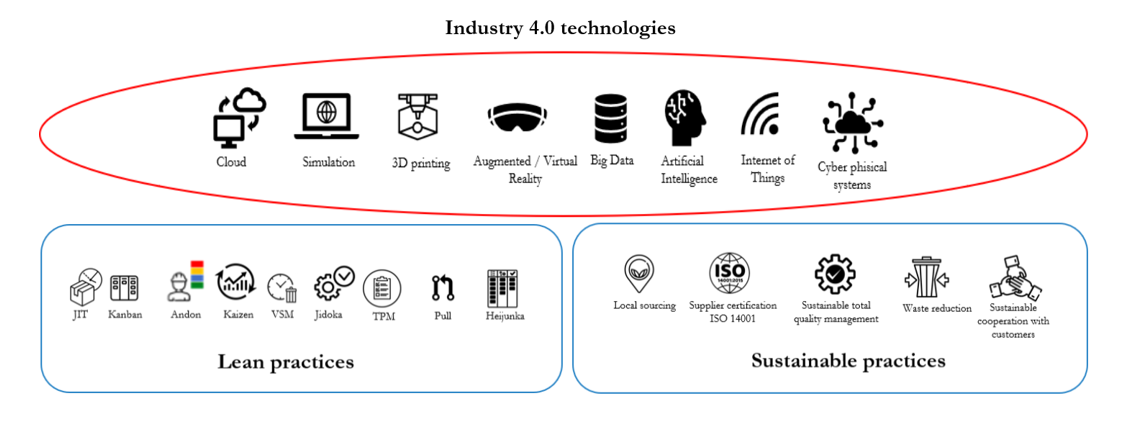


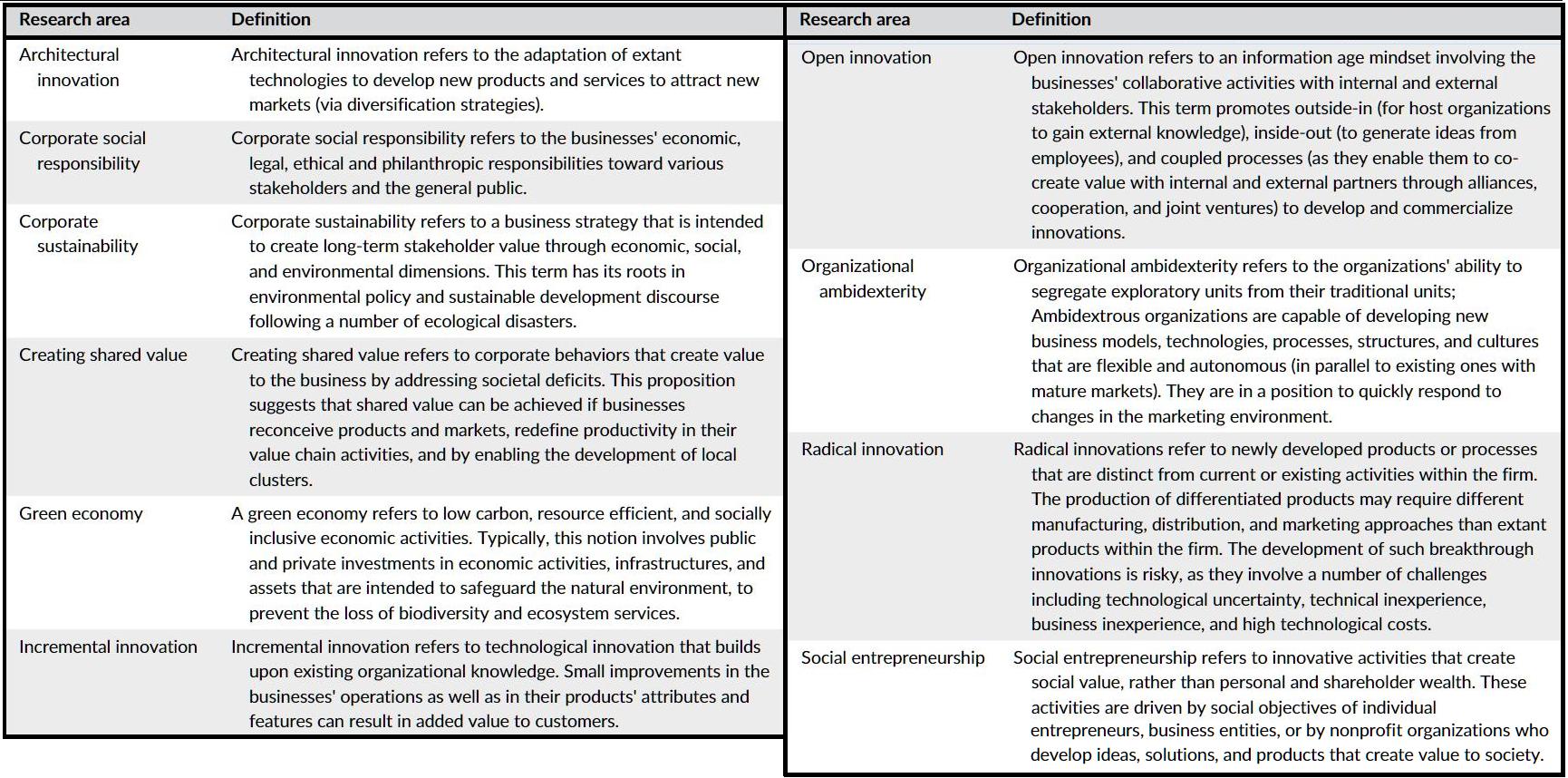






 Substantia Mea
You must be logged in to post a comment.