Artificial intelligence (AI) and automation technologies are transforming service industries, including finance, healthcare, hospitality, retail, education, public services and digital platforms. While algorithmic decision-making systems, service robots, chatbots, predictive analytics and automated workflows offer enhanced efficiencies, personalization possibilities and scalability potential, these technologies are also raising profound ethical concerns related to their modus operandi and explainability of their outputs (Camilleri, 2024; Hu & Min, 2023).
As AI-driven service systems increasingly mediate interactions between organisations and their stakeholders; ethical failures and bias have the potential to reinforce existing social inequalities, undermine their trustworthiness, service quality, organisational legitimacy and broader societal well-being (Camilleri et al., 2024). Moreover, opaque “black-box” models reduce transparency and could erode user trust in these machine learning technologies (Kordzadeh & Ghasemaghaei, 2022). Unclear accountability structures may obscure responsibility for service failures or might facilitate unintended harmful outcomes (Novelli et al., 2024). These challenges are particularly evidenced in service contexts where human–AI interactions are frequent, relational and consequential.
Such concerns are clearly illustrated in healthcare services (Procter et al., 2023), where AI-driven diagnostic and triage systems are increasingly used to support clinical decision-making. When these technologies rely on biased or unrepresentative training data, they may systematically underdiagnose or misclassify specific demographic groups. Given the high-stakes and the relational nature of healthcare encounters, limited transparency and explainability can significantly diminish patient trust while raising serious ethical and accountability concerns.
Similar issues arise in financial and insurance services (Oke & Cavus, 2025), where automated credit scoring, loan approval and underwriting systems directly influence individuals’ financial inclusion and long-term economic prospects. Algorithmic opacity makes it difficult for customers to understand, question or contest adverse decisions. Therefore, biased models may perpetuate or amplify socioeconomic inequalities. Such an outcome is particularly problematic in service relationships characterised by long-term dependency and trust.
Ethical challenges are also conspicuous in customer service and frontline interactions (Han et al., 2023), where chatbots and virtual assistants handle large volumes of customer inquiries across retail, telecommunications and travel services (Lv et al., 2022). Although these systems offer efficiency and scalability benefits, there are instances where they fail to recognise emotional distress, cultural differences, or exceptional circumstances. Excessive automation can therefore undermine relational service quality, especially when customers are unable to escalate complex or sensitive issues to human agents (Yang et al., 2022).
In public service contexts, governments are progressively deploying AI systems (Willems et al., 2023) to allocate welfare benefits, determine assess eligibility and detect fraud. In such settings, automated decisions can have profound implications for the citizens’ livelihoods and their inclusion in cohesive societies Ethical concerns become particularly acute when accountability is diffused between public agencies and technology providers, as well as when affected individuals lack meaningful mechanisms for appeal, explanation or redress.
Likewise, platform-based and gig economy services are increasingly relying on algorithmic management systems to assign tasks, evaluate performance and to compute remunerations (Kadolkar et al., 2025). These systems often operate as “black boxes,” leaving workers uncertain about how ratings, penalties or income calculations are determined. The resulting lack of transparency and of clear accountability structures can weaken trust, exacerbate power asymmetries and could intensify worker vulnerability within ongoing service relationships.
Notwithstanding, more human resource management and recruitment specialists are adopting AI-enabled tools for résumé screening and to assess their candidates’ credentials (Soleimani et al., 2025). Possible bias embedded within these systems may disadvantage certain social groups. Their limited transparency can prevent applicants from understanding how hiring decisions are made. Such practices raise important ethical questions concerning fairness, informed consent and procedural justice within professional service contexts.
This special issue seeks to advance novel insights into the above ethical implications of AI and automation in services industries. The guest editors look forward to receiving original, interdisciplinary contributions that critically examine how ethical principles can be embedded into the design, governance, implementation and evaluation of AI-enabled service systems.
Aims and scope
The special issue aims to:
· Deepen understanding of ethical risks and dilemmas associated with AI and automation in service industries.
· Explore mechanisms for bias detection, mitigation and governance in service algorithms.
· Examine transparency, explainability and accountability in AI-enabled service encounters.
· Advance responsible, human-centered and sustainable approaches to AI-driven service innovation.
Both conceptual, theoretical and empirical contributions are welcome, including qualitative, quantitative, mixed-methods, experimental, design science as well as critical and/or reflexive approaches.
Indicative themes and topics
Submissions may address, but are not limited to, the following topics:
· Algorithmic bias and discrimination in service delivery;
· Ethical design of AI-enabled service systems;
· Transparency and explainability in automated service decisions;
· Accountability and responsibility in human–AI service interactions;
· AI ethics governance, regulation, and standards in service industries;
· Trust, legitimacy and customer perceptions of AI-driven services;
· Ethical implications of service robots and conversational agents;
· Human oversight and hybrid human–AI service models;
· Data privacy, surveillance and consent in digital service platforms;
· Fairness and inclusion in AI-based personalisation and targeting;
· Responsible AI and ESG considerations in service organisations;
· Cross-cultural and institutional perspectives on AI ethics in services;
· Ethical failures, service recovery and crisis communication involving AI;
· Methodological advances for studying ethics in AI-enabled services.
References
Camilleri, M. A., Zhong, L., Rosenbaum, M. S. & Wirtz, J. (2024). Ethical considerations of service organizations in the information age. The Service Industries Journal, 44(9-10), 634-660.
Camilleri, M. A. (2024). Artificial intelligence governance: Ethical considerations and implications for social responsibility. Expert Systems, 41(7), e13406.
Hu, Y., & Min, H. K. (2023). The dark side of artificial intelligence in service: The “watching-eye” effect and privacy concerns. International Journal of Hospitality Management, 110, 103437.
Kadolkar, I., Kepes, S., & Subramony, M. (2025). Algorithmic management in the gig economy: A systematic review and research integration. Journal of Organizational Behavior, 46(7), 1057-1080.
Kordzadeh, N., & Ghasemaghaei, M. (2022). Algorithmic bias: review, synthesis, and future research directions. European Journal of Information Systems, 31(3), 388-409.
Lv, X., Yang, Y., Qin, D., Cao, X., & Xu, H. (2022). Artificial intelligence service recovery: The role of empathic response in hospitality customers’ continuous usage intention. Computers in Human Behavior, 126, 106993.
Novelli, C., Taddeo, M., & Floridi, L. (2024). Accountability in artificial intelligence: What it is and how it works. AI & Society, 39(4), 1871-1882.
Procter, R., Tolmie, P., & Rouncefield, M. (2023). Holding AI to account: challenges for the delivery of trustworthy AI in healthcare. ACM Transactions on Computer-Human Interaction, 30(2), 1-34.
Soleimani, M., Intezari, A., Arrowsmith, J., Pauleen, D. J., & Taskin, N. (2025). Reducing AI bias in recruitment and selection: an integrative grounded approach. The International Journal of Human Resource Management, 1-36.
Willems, J., Schmid, M. J., Vanderelst, D., Vogel, D., & Ebinger, F. (2023). AI-driven public services and the privacy paradox: do citizens really care about their privacy?. Public Management Review, 25(11), 2116-2134.
Yang, Y., Liu, Y., Lv, X., Ai, J., & Li, Y. (2022). Anthropomorphism and customers’ willingness to use artificial intelligence service agents. Journal of Hospitality Marketing & Management, 31(1), 1-23.
Submission Instructions
Submission guidelines
Manuscripts should be prepared according to The Service Industries Journal’s author guidelines and submitted via the journal’s online submission system. During submission, authors should select the special issue title:
“Ethical implications of artificial intelligence (AI) and automation in service industries: Addressing algorithmic bias, opacity and unclear accountability mechanisms”.
All submissions will undergo a double-blind peer review process in accordance with the journal’s standards and policies of Taylor & Francis.
Important dates
Full paper submission deadline: 31st January 2027
First round of reviews: 31st March 2027
Revised manuscript submission: 31st May 2027
Final acceptance: 31st August 2027
Expected publication: 30th November 2027
Contact Information: For informal enquiries regarding the fit of manuscripts or the scope of the special issue, please contact the Leading Guest Editor via Mark.A.Camilleri@um.edu.mt.
I am delighted to share this call for papers for the European Academy of Management’s (EURAM2026’s) SIG01: Business for Society (B4S).
My colleagues, Mario Tani, University of Naples Federico II, Naples, Italy; Gianpaolo Basile, Università Telematica Universitas Mercatorum, Rome, Italy; Ciro Troise, University of Turin, Turin, Italy; Maria Palazzo, Università Telematica Universitas Mercatorum, Rome, Italy; Asha Thomas, Wrocław University of Science and Technology AND I, are guest editing a track entitled: “Relationships, Values, and Community-driven (Social) Innovation in Collaborative Ecosystems” (T01-14).
We are inviting conceptual, empirical and methodological papers on the interplay between open innovation, digital platforms and the power of the crowd in navigating today’s grand challenges.
“This track explores the strategic shift from firm-centric models to dynamic, collaborative ecosystems. We examine how deep stakeholder engagement, shared values, and community-driven innovation can generate sustainable economic, social, and environmental value”.
Further details about this conference track are available here: https://lnkd.in/djN8KpDw [T01-14].
Keywords: EURAM2026; Business For Society B4S; Collaborative Ecosystems; Open Innovation Community Driven Innovation; Stakeholder Engagement; Digital; Digital Platforms; Digital Transformation; Crowdsourcing; Sustainable Development Goals (SDGs); UNSDGs; SDG9 [Industry, Innovation And Infrastructure]; SDG11 [Sustainable Cities And Communities]; SDG12 [Responsible Consumption And Production]; SDG17 [Partnerships For The Goals].
Featuring snippets from an article that was accepted for publication through Springer’s “Service Business”.
Suggested citation: Camilleri, M.A., Bhatnagar, S.B. & Chakraborty, D. (2025). Exaggerated statements in online consumer reviews: Causes and implications. Service Business, 19, Art. 19, https://doi.org/10.1007/s11628-025-00590-6
Abstract
This study investigates the factors that contribute to the creation of inflated consumer testimonials. Quantitative data were gathered from four hundred forty (440) respondents who shared their service experiences through popular social media platforms. A covariance-based structural equations model approach has been used to analyze the data. The results suggest that psychological and emotional factors including the consumers’ self-image, self-enhancement as well as their motivations for retribution against service providers, are having a significant effect on the development of amplified review content.
Researchers have frequently reported that certain individuals tend to misrepresent facts and may willingly decide to deceive other persons, in their daily conversations, including in virtual ones (Moqbel and Jain 2025; Sahut et al. 2024). It is very likely that such persons would fabricate content when they engage in online conversations (Plotkina et al. 2020) and may even create inflated claims in their user generated content, while sharing personal experiences with online users (Belarmino et al. 2022; Bozkurt et al. 2023). Electronic word of mouth communications, like online reviews, are not always truthful (Camilleri, 2022; Kapoor et al. 2021; Lee et al. 2022; Tomazelli et al. 2024), as they may frequently feature inflated claims (Román et al. 2023). A few researchers have even suggested that exaggerated reviews can have an adverse effect on their credibility (Chatterjee et al. 2023).
A lack of credibility and trustworthiness in online reviews could negatively affect the consumers’ perceptions and attitudes toward the business (Camilleri and Filieri 2023; Tan and Chen 2023). For instance, Fong et al. (2024) distinguished between trustworthy and untrustworthy content presented in online consumer testimonials. Yet, for the time being, there is still scarce research focused on the propagation of inflated claims in online reviews (Arif and Chandwani 2024). Various researchers have often attempted to find ways to detect misinformation and prefabricated online content including in social media and review platforms (Chen et al. 2022).
However, in many cases, it proves difficult to recognize the identities of those reviewers who are sharing overblown and deceitful statements about their experiences in online platforms (Bylok 2022). Notwithstanding, there may be different reasons why individuals engage in deceptive behaviors. People may decide to deceive others for personal gain, and/or to protect their own image or reputation. Their intention could be to manipulate others to achieve desired outcomes (Min and Wakslak 2022). Alternatively, they may rationalize their deceitful behaviors due to psychological factors. Such individuals would probably convince themselves that their actions are justified or harmless (Costa Filho et al. 2023; Petrescu et al. 2022).
Undoubtedly, the topic about deceitful, unreliable and inflated online reviews warrants further investigation, as these electronic word-of-mouth communications may constitute false advertising or fraud. Prospective consumers can be manipulated and misled into buying substandard or misrepresented products/services. For example, the use of generative AI could exacerbate the pervasiveness of fake inflated review content with high linguistic sophistication. Hence, it may prove hard for online users to detect the legitimacy and veracity of consumer reviews. Certainly, further investigation is warranted on this topic, to better understand the incidence and the scale of the exaggerated claims featured in user-generated content, their underlying motivations and drivers, as well as the identification of technological and regulatory responses.
In this light, this research identifies the factors and the extent to which online users share overstatements and amplified assertions in consumer review platforms. Specifically, the underlying research questions are: [RQ1] How and to what extent are the consumers’ altruistic intentions to provide customer-focused reviews contributing to the development of exaggerated claims in their testimonials? [RQ2] How and to what extent are the consumers’ constructive reviews aimed at service providers having an effect on the development of exaggerated claims in their testimonials? [RQ3] How and to what extent are the consumers’ psychological factors including their self-esteem and self-image having an effect on the development of exaggerated claims in their testimonials? [RQ4] How and to what extent are the consumers’ dissatisfaction levels with the services they receive and their retribution motivations having an effect on the development of exaggerated claims in their testimonials?
This empirical study builds on extant theoretical underpinnings related to the interpersonal deception theory (Buller and Burgoon 1996; Buller et al. 1996; Burgoon 2015; Gaspar et al. 2022) to delve into the factors that can lead consumers to create inflated claims in online reviews (Hill Cummings et al. 2024; Valdez et al. 2018). The researchers validate constructs that were tried and tested in academia including altruistic motivations to support prospects and/or businesses (Hennig-Thurau et al. 2004; Yoo and Gretzel 2008), perceived self-enhancement, perceived self-image and retribution behaviors (Yoo and Gretzel 2008).
Unlike previous studies, that focus on how reviews could influence purchase decisions, or those that investigate the rationale for sharing reviews, this contribution examines the processes and motivations that lead to the articulation of exaggerated claims in testimonials (that can be either positive or negative). From the outset, this original research rejects the dominant assumption that inflated reviews are simply driven by the consumers’ egos, or from their malicious intentions. On the contrary, it suggests that altruistic appraisals that are meant to support prospective customers, constructive criticism to service providers or feedback motivated by retributive intentions, after experiencing service failures, and/or the integration of psychological self-concepts could amplify or trigger exaggerated claims in consumer reviews. As far as the authors are aware, for the time being, there are no other studies that have integrated the above factors in the same conceptual model by referring to the interpersonal deception theory as an exploratory lens. Therefore, this contribution aims to address this knowledge gap, in the tourism and hospitality industry context. The study advances a novel theoretical model that is empirically tested, in terms of the constructs’ reliabilities and validities. Moreover, it also sheds light on the significance of the causal paths that predict the consumers’ likelihood of creating exaggerated content in review platforms.
Online users are connecting to simulated virtual environments through various digital games like Fortnite, Minecraft, Roblox, and World of Warcraft, among others. Very often, gamers are utilizing virtual reality (VR) and augmented reality (AR) technologies to improve their gaming experiences. In many cases, they are engaging with other individuals in the cyberspace and participating in an extensive virtual economy. New users are expected to create electronic personas, called avatars (that represent their identity in these games). They are allowed to move their avatars around virtual spaces and to use them to engage with other users, when they are online. Therefore, interactive games are enhancing their users’ immersive experiences, particularly those that work with VR headsets.
Academic researchers as well as technology giants like Facebook (Meta), Google and Microsoft, among others, anticipate that the Metaverse will shortly change the way we experience the Internet. Whilst on the internet, online users are interacting with other individuals through websites, including games and social media networks (SNSs) in the Metaverse they engage with the digital representations of people (through their avatars), places, and things in a simulated universe. Hence, the Metaverse places its users in the middle of the action. In plain words, it can be described as a combination of multiple elements of interactive technologies, including VR and AR where users can experience a digital universe. Various industry practitioner including Meta (Facebook) argue that this immersive technology will reconfigure the online users’ sensory inputs, definitions of space, and points of access to information.
AR and VR devices can be used to improve the students’ experiences when they engage with serious games. Many commentators noted that these technologies encourage active learning approaches, as well as social interactions among students and/or between students and their teachers. Serious games can provide “gameful experiences”, if they share the immersive features that captivate them, like those relating to the entertaining games. If they do so, it is very likely that students would enjoy their game play (and game-based learning). Similarly, the Metaverse can be used to increase the students; motivations and learning outcomes.
For the time being, there is no universal definition that encapsulates the word “Metaverse”. The term has been used in a 1992 science fiction novel Snow Crash. Basically, it is a blend of two words, in which parts of them, namely “meta” and “universe” were combined to create the “Metaverse” notion. While meta means beyond, universe is a term that is typically used to describe an iteration of the internet that consists of persistent, immersive 3D virtual spaces that are intended to emulate physical interactions in perceived virtual worlds (like a universe).
Although, there are various academic contributions that have explored the utilization of online educational technologies, including AR and VR, in different contexts, currently, just a few researchers who have evaluated of the latest literature on this contemporary topic, to reveal the benefits and costs of using this disruptive innovation in the context of education. Therefore, this contribution closes this gap in academic literature. The underlying objective of this research is to shed light on the opportunities and challenges of using this immersive technology with students.
Opportunities
Immersive multi-sensory experiences in 3D environments
The Metaverse could provide a smooth interaction between the real world and the virtual spaces. Its users can engage in activities that are very similar to what they do in reality. However, it could also provide opportunities for them to experience things that could be impossible for them to do in the real world. Sensory technologies enable users to use their five senses of sight, touch, hearing, taste and smell, to immerse themselves in a virtual 3D environment. VR tools are interactive, entertaining and provide captivating and enjoyable experiences to their users. In the past years, a number of educators and students have been using 3D learning applications (e.g. like Second Life) to visit virtual spaces that resemble video games. Many students are experienced gamers and are lured by their 3D graphics. They learn when they are actively involved. Therefore, the learning applications should be as meaningful, engaging, socially interactive and entertaining as possible.
There is scope for educators and content developers to create digital domains like virtual schools, colleges and campuses, where students and teachers can socialize and engage in two-way communications. Students could visit the premises of their educational institutions in online tours, from virtually anywhere. A number of universities are replicating their physical campus with virtual ones. The design of the virtual campuses may result in improved student services, shared interactive content that could improve their learning outcomes, and could even reach wider audiences. Previous research confirms that it is more interesting and appealing for students to learn academic topics through the virtual world.
Equitable and accessible space for all users
Like other virtual technologies, the Metaverse could be accessed from remote locations. Educational institutions can use its infrastructure to deliver courses (free of charge or against tuition fees, as of now). Metaverse education may enable students from different locations to use its open-source software to pursue courses from anywhere, anytime. Hence, its democratized architecture could reduce geographic disparities among students, and increases their chances of continuing education through higher educational institutions in different parts of the world.
In the future, students including individuals with different abilities, may use the Metaverse’s multisensory environment to immerse themselves in engaging lectures.
Interactions with virtual representations of people and physical objects
Currently, individual users can utilize the AR and VR applications to communicate with others and to exert their influence on the objects within the virtual world. They can organize virtual meetings with geographically distant users, attend conferences, et cetera. Various commentators argued that the Metaverse can be used in education, to learn academic subjects in real-time sessions in a VR setting and to interact with peers and course instructors. The students and their lecturers will probably use an avatar that will represent their identity in the virtual world. Many researchers noted that avatars facilitate interactive communications and are a good way to personalize the students’ learning experiences.
Interoperability
Unlike other VR applications, the Metaverse will enable its users to retain their identities as well as the ownership of their digital assets through different virtual worlds and platforms, including those related to the provision of education. This means that Metaverse users can communicate and interact with other individuals in a seamless manner through different devices or servers, across different platforms. They can use the Metaverse to share data and content in different virtual worlds that will be accessed through Web 3.0.
Challenges
Infrastructure, resources and capabilities
The use of the Metaverse technology will necessitate a thorough investment in hardware to operate the university virtual spaces. The Metaverses requires intricate devices, including appropriate high-performance infrastructures to achieve accurate retina display and pixel density for realistic virtual immersions. These systems rely on fast internet connections with good bandwidths as well as computers with adequate processing capabilities, that are equipped with good graphic cards. For the time being, VR, MR and AR hardware may be considered as bulky, heavy, expensive and cost-prohibitive, in some contexts.
The degree of freedom in a virtual world
The Metaverse offers higher degrees of freedom than what is available through the worldwide web and web2.0 technologies. Its administrators cannot be in a position to anticipate the behaviors of all persons using their technologies. Therefore, Metaverse users can possibly be exposed to positive as well as to negative influences as other individuals can disguise themselves in the vast virtual environments, through anonymous avatars.
Privacy and security of users’ personal data
The users’ interactions with the Metaverse as well as their personal or sensitive information, can be tracked by the platform operators hosting this service, as they continuously record, process and store their virtual activities in real-time. Like its preceding worldwide web and Web 2.0 technologies, the Metaverse can possibly raise the users’ concerns about the security of their data and of their intellectual properties. They may be wary about data breaches, scams, et cetera. Public blockchains and other platforms can already trace the users’ sensitive data, so they are not anonymous to them. Individuals may decide to use one or more avatars to explore the Metaverse’s worlds. They may risk exposing their personal information, particularly when they are porting from one Metaverse to another and/or when they share transactional details via NFTs. Some Metaverse systems do not require their users to share personal information when they create their avatar. However, they could capture relevant information from sensors that detect their users’ brain activity, monitor their facial features, eye motion and vocal qualities, along with other ambient data pertaining to the users’ homes or offices.
They may have legitimate reasons to capture such information, in order to protect them against objectionable content and/or unlawful conduct of other users. In many cases, the users’ personal data may be collected for advertising and/or for communication purposes. Currently, different jurisdictions have not regulated their citizens’ behaviors within the Metaverse contexts. Works are still in progress, in this regard.
Identity theft and hijacking of user accounts
There may be malicious persons or groups who may try use certain technologies, to obtain the personal information and digital assets from Metaverse users. Recently, a deepfake artificial intelligence software has developed short audible content, that mimicked and impersonated a human voice.
Other bots may easily copy the human beings’ verbal, vocal and visual data including their personality traits. They could duplicate the avatars’ identities, to commit fraudulent activities including unauthorized transactions and purchases, or other crimes with their disguised identities. Roblox users reported that they experienced avatar scams in the past. In many cases, criminals could try to avail themselves of the digital identities of vulnerable users, including children and senior citizens, among others, to access their funds or cryptocurrencies (as they may be linked to the Metaverse profiles). As a result, Metaverse users may become victims of identity theft. Evolving security protocols and digital ledger technologies like the blockchain will be increasing the transparency and cybersecurity of digital assets. However, users still have to remain vigilant about their digital footprint, to continue protecting their personal information.
As the use of the virtual environment is expected to increase in the foreseeable future, particularly with the emergence of the Metaverse, it is imperative that new ways are developed to protect all users including students. Individuals ought to be informed about the risks to their privacy. Various validation procedures including authentication, such as face scans, retina scans, and speech recognition may be integrated in such systems to prevent identity theft and hijacking of Metaverse accounts.
Borderless environment raises ethical and regulatory concerns
For the time being, a number of policy makers as well as academics are raising their questions on the content that can be presented in the Metaverse’s virtual worlds, as well as to the conduct and behaviors of the Metaverse users. Arguably, it may prove difficult for the regulators of different jurisdictions to enforce their legislation in the Metaverse’s borderless environment. For example, European citizens are well acquainted with the European Union’s (EU) General Data Protection Regulation. Other countries have their own legal frameworks and/or principles that are intended to safeguard the rights of data subjects as well as those of content creators. For example, the United States governments has been slower that the EU to introduce its privacy by design policies. Recently, the South Korean Government announced a set of laudable, non-binding ethical guidelines for the provision and consumption of metaverse services. However, there aren’t a set of formal rules that can apply to all Metaverse users.
Users’ addictions and mental health issues
Although many AR and VR technologies have already been tried and tested in the past few years, the Metaverse is still getting started. For the time being, it is difficult to determine what are the effects of the Metaverse on the users’ health and well-being. Many commentators anticipate that an unnecessary exposure to Metaverse’s immersive technologies may result in negative side-effects for the psychological and physical health of human beings. They are suggesting that individuals may easily become addicted to a virtual environment, where the limits of reality are their own imagination. They are lured to it “for all the things they can do” and will be willing to stay “for all the things they can be” (i.e. excerpts from Ready Player One Movie).
Past research confirms that spending excessive time on internet, social media or playing video games can increase the chances of mental health problems like attention deficit disorders, eating conditions, as well as anxiety, stress or depression, among others. Individuals play video games to achieve their goals, to advance to the next level. Their gameplay releases dopamine. Similarly, their dopamine levels can increase when they are followed through social media, or when they receive likes, comment or other forms of online engagements.
Individuals can easily develop an addiction with this immersive technology, as they seek stimulating and temporary pleasurable experiences in its virtual spaces. As a result, they may become dependent to it. Their interpersonal communications via social media networks are not as authentic or satisfying as real-life relationships, as they are not interacting in-person, with other human beings. In the case of the Metaverse, their engagement experiences may appear to be real. Yet again, in the Metaverse, its users are located in a virtual environment, they not physically present near other individuals. Human beings need to build an honest and trustworthy relationship with one another. The users of the Metaverse can create avatars that could easily conceal their identity.
Read further! The full paper can be accessed and downloaded from:
Featuring an excerpt and a few snippets from one of my latest articles related to Generative Artificial Intelligence (AI).
Suggested Citation: Camilleri, M.A. (2024). Factors affecting performance expectancy and intentions to use ChatGPT: Using SmartPLS to advance an information technology acceptance framework, Technological Forecasting and Social Change, https://doi.org/10.1016/j.techfore.2024.123247
The introduction
Artificial intelligence (AI) chatbots utilize algorithms that are trained to process and analyze vast amounts of data by using techniques ranging from rule-based approaches to statistical models and deep learning, to generate natural text, to respond to online users, based on the input they received (OECD, 2023). For instance, Open AI‘s Chat Generative Pre-Trained Transformer (ChatGPT) is one of the most popular AI-powered chatbots. The company claims that ChatGPT “is designed to assist with a wide range of tasks, from answering questions to generating text in various styles and formats” (OpenAI, 2023a). OpenAI clarifies that its GPT-3.5, is a free-to-use language model that was optimized for dialogue by using Reinforcement Learning with Human Feedback (RLHF) – a method that relies on human demonstrations and preference comparisons to guide the model toward desired behaviors. Its models are trained on vast amounts of data including conversations that were created by humans (such content is accessed through the Internet). The responses it provides appear to be as human-like as possible (Jiang et al., 2023).
GPT-3.5’s database was last updated in September 2021. However, GPT-4.0 version comes with a paid plan that is more creative than GPT-3.5, could accept images as inputs, can generate captions, classifications and analyses (Qureshi et al., 2023). Its developers assert that GPT-4.0 can create better content including extended conversations, as well as document search and analysis (Takefuji, 2023). Recently, its proponents noted that ChatGPT can be utilized for academic purposes, including research. It can extract and paraphrase information, translate text, grade tests, and/or it may be used for conversation purposes (MIT, 2023). Various stakeholders in education noted that this LLM tool may be able to provide quick and easy answers to questions.
However, earlier this year, several higher educational institutions issued statements that warned students against using ChatGPT for academic purposes. In a similar vein, a number of schools banned ChatGPT from their networks and devices (Rudolph et al., 2023). Evidently, policy makers were concerned that this text generating AI system could disseminate misinformation and even promote plagiarism. Some commentators argue that it can affect the students’ critical-thinking and problem-solving abilities. Such skill sets are essential aspects for their academic and lifelong successes (Liebrenz et al., 2023; Thorp, 2023). Nevertheless, a number of jurisdictions are reversing their decisions that impede students from using this technology (Reuters, 2023). In many cases, educational leaders are realizing that their students could benefit from this innovation, if they are properly taught how to adopt it as a tool for their learning journey.
Academic colleagues are increasingly raising awareness on different uses of AI dialogue systems like service chatbots and/or virtual assistants (Baabdullah et al., 2022; Balakrishnan et al., 2022; Brachten et al., 2021; Hari et al., 2022; Li et al., 2021; Lou et al., 2022; Malodia et al., 2021; Sharma et al., 2022). Some of them are evaluating their strengths and weaknesses, including of OpenAI’s ChatGPT (Farrokhnia et al., 2023; Kasneci et al., 2023). Very often, they argue that there may be instances where the chatbots’ prompts are not completely accurate and/or may not fully address the questions that are asked to them (Gill et al., 2024). This may be due to different reasons. For example, GPT-3.5’s responses are based on the data that were uploaded before a knowledge cut-off date (i.e. September 2021). This can have a negative effect on the quality of its replies, as the algorithm is not up to date with the latest developments. Although, at the moment, there is a knowledge gap and a few grey areas on the use of AI chatbots that use natural language processing to create humanlike conversational dialogue, currently, there are still a few contributions that have critically evaluated their pros and cons, and even less studies have investigated the factors affecting the individuals’ engagement levels with ChatGPT.
This empirical research builds on theoretical underpinnings related to information technologyadoption in order to examine the online users’ perceptions and intentions to use AI Chatbots. Specifically, it integrates a perceived interactivity construct (Baabdullah et al., 2022; McMillan and Hwang, 2002) with information quality and source trustworthiness measures (Leong et al., 2021; Sussman and Siegal, 2003) from the Information Adoption Model (IAM) with performance expectancy, effort expectancy and social influences constructs (Venkatesh et al., 2003; Venkatesh et al., 2012) from the Unified Theory of Acceptance and Use of Technology (UTAUT1/UTAUT2) to determine which factors are influencing the individuals’ intentions to use AI text generation systems like ChatGPT. This study’s focused research questions are:
RQ1
How and to what extent are information quality and source trustworthiness influencing the online users’ performance expectancy from ChatGPT?
RQ2
How and to what extent are their perceptions about ChatGPT’s interactivity, performance expectancy, effort expectancy, as well as their social influences affecting their intentions to continue using their large language models?
RQ3
How and to what degree is the performance expectancy construct mediating effort expectancy – intentions to use these interactive AI technologies?
This study hypothesizes that information quality and source trustworthiness are significant antecedents of performance expectancy. It presumes that this latter construct, together with effort expectancy, social influences as well as perceived interactivity affect the online users’ acceptance and usage of generative pre-trained AI chatbots like GPT-3.5 or GPT-4.
Notwithstanding, for the time being, there is still scant research that is focused on AI-powered LLM, like ChatGPT, that are capable of generating human-like text that is based on previous contexts and drawn from past conversations. This timely study raises awareness on the individuals’ perceptions about the utilitarian value of such interactive technologies, in an academic (higher educational) context. It clearly identifies the factors that are influencing the individuals’ intentions to continue using them, in the future.
From the literature review
Table 1 features a summary of the most popular theoretical frameworks that sought to identify the antecedents and the extent to which they may affect the individuals’ intentions to use information technologies.
Table 1. A non-exhaustive list of theoretical frameworks focused on (information) technology adoption behaviors
Figure 1. features the conceptual framework that investigates information technology adoption factors. It represents a visual illustration of the hypotheses of this study. In sum, this empirical research presumes that information quality and source trustworthiness (from Information Adoption Model) precede performance expectancy. The latter construct together with effort expectancy, social influences (from Unified Theory of Acceptance and Use of Technology) as well as the perceived interactivity construct, are significant antecedents of the individuals’ intentions to use ChatGPT.
The survey instrument
The respondents were instructed to answer all survey questions that were presented to them about information quality, source trustworthiness, performance expectancy, effort expectancy, social influences, perceived interactivity and on their behavioral intentions to continue using this technology (otherwise, they could not submit the questionnaire). Table 2 features the list of measures as well as their corresponding items that were utilized in this study. It also provides a definition of the constructs used in the proposed information technology acceptance framework.
Table 2. The list of measures and the corresponding items used in this research.
Theoretical implications
This research sought to explore the factors that are affecting the individuals’ intentions to use ChatGPT. It examined the online users’ effort and performance expectancy, social influences as well as their perceptions about the information quality, source trustworthiness and interactivity of generative text AI chatbots. The empirical investigation hypothesized that performance expectancy, effort expectancy and social influences from Venkatesh et al.’s (2003) UTAUT together with a perceived interactivity construct (McMillan and Hwang, 2002) were significant antecedents of their intentions to revisit ChatGPT’s website and/or to use its app. Moreover, it presumed that information quality and source trustworthiness measures from Sussman and Siegal’s (2003) IAM were found to be the precursors of performance expectancy.
The results from this study report that source trustworthiness-performance expectancy is the most significant path in this research model. They confirm that online users indicated that they believed that there is a connection between the source’s trustworthiness in terms of its dependability, and the degree to which they believe that using such an AI generative system will help them improve their job performance. Similar effects were also evidenced in previous IAM theoretical frameworks (Kang and Namkung, 2019; Onofrei et al., 2022), as well as in a number of studies related to TAM (Assaker, 2020; Chen and Aklikokou, 2020; Shahzad et al., 2018) and/or to UTAUT/UTAUT2 (Lallmahomed et al., 2017).
In addition, this research also reports that the users’ peceptions about information quality significantly affects their performance expectancy/expectancies from ChatGPT. Yet, in this case, this link was weaker than the former, thus implying that the respondents’ perceptions about the usefulness of this text generative technology were clearly influenced by the peripheral cues of communication (Cacioppo and Petty, 1981; Shi et al., 2018; Sussman and Siegal, 2003; Tien et al., 2019).
Very often, academic colleagues noted that individuals would probably rely on the information that is presented to them, if they perceive that the sources and/or their content are trustworthy (Bingham et al., 2019; John and De’Villiers, 2020; Winter, 2020). Frequently, they indicated that source trustworthiness would likely affect their beliefs about the usefulness of information technologies, as they enable them to enhance their performance. Conversely, some commentators argued that there may be users that could be skeptical and wary about using new technologies, especially if they are unfamiliar with them (Shankar et al., 2021). They noted that such individuals may be concerned about the reliability and trustworthiness of the latest technologies.
The findings suggest that the individuals’ perceptions about the interactivity of ChatGPT are a precursor of their intentions to use it. This link is also highly significant. Therefore, the online users were somehow appreciating this information technology’s responsiveness to their prompts (in terms of its computer-human communications). Evidently, ChatGPT’s interactivity attributes are having an impact on the individuals’ readiness to engage with it, and to seek answers to their questions. Similar results were reported in other studies that analyzed how the interactivity and anthropomorphic features of dialogue systems like live support chatbots, or virtual assistants can influence the online users’ willingness to continue utilizing them in the future (Baabdullah et al., 2022; Balakrishnan et al., 2022; Brachten et al., 2021; Liew et al., 2017).
There are a number of academic contributions that sought to explore how, why, where and when individuals are lured by interactive communication technologies (e.g. Hari et al., 2022; Li et al., 2021; Lou et al., 2022). Generally, these researchers posited that users are habituated with information systems that are programed to engage with them in a dynamic and responsive manner. Very often they indicated that many individuals are favorably disposed to use dialogue systems that are capable of providing them with instant feedback and personalized content. Several colleagues suggest that positive user experiences as well as high satisfaction levels and enjoyment, could enhance their connection with information technologies, and will probably motivate them to continue using them in the future (Ashfaq et al., 2020; Camilleri and Falzon, 2021; Huang and Chueh, 2021; Wolfinbarger and Gilly, 2003).
Another important finding from this research is that the individuals’ social influences (from family, friends or colleagues) are affecting their interactions with ChatGPT. Again, this causal path is also very significant. Similar results were also reported in UTAUT/UTAUT2 studies that are focused on the link between social influences and its link with intentional behaviors to use technologies (Gursoy et al., 2019; Patil et al., 2020). In addition, TPB/TRA researchers found that subjective norms also predict behavioral intentions (Driediger and Bhatiasevi, 2019; Sohn and Kwon, 2020). This is in stark contract with other studies that reported that there was no significant relationship between social influences/subjective norms and behavioral intentions (Ho et al., 2020; Kamble et al., 2019).
Interestingly, the results report that there are highly significant effects between effort expectancy (i.e. ease of use of the generative AI technology) and performance expectancy (i.e. its perceived usefulness). Many scholars posit that perceived ease of use is a significant driver of perceived usefulness of technology (Bressolles et al., 2014; Davis, 1989; Davis et al., 1989; Kamble et al., 2019; Yoo and Donthu, 2001). Furthermore, there are significant causal paths between performance expectancy-intentions to use ChatGPT and even between effort expectancy-intentions to use ChatGPT, albeit to a lesser extent. Yet, this research indicates that performance expectancy partially mediates effort expectancy-intentions to use ChatGPT. In this case, this link is highly significant.
In sum, this contribution validates key information technology measures, specifically, performance expectancy, effort expectancy, social influences and behavioral intentions from UTAUT/UTAUT2, as well as information quality and source trustworthiness from ELM/IAM and integrates them with a perceived interactivity factor. It builds on previous theoretical underpinnings. Yet, it differentiates itself from previous studies. To date, there are no other empirical investigations that have combined the same constructs that are presented in this article. Notwithstanding, this research puts forward a robust Information Technology Acceptance Framework. The results confirm the reliability and validity of the measures. They clearly outline the relative strength and significance of the causal paths that are predicting the individuals’ intentions to use ChatGPT.
Managerial implications
This empirical study provides a snapshot on the online users’ perceptions about ChatGPT’s responses to verbal queries, and sheds light on their dispositions to avail themselves from its natural language processing. It explores their performance expectations about their usefulness and their effort expectations related to the ease of use of these information technologies and investigates whether they are affected by colleagues or by other social influences to use such dialogue systems. Moreover, it examines their insights about the content quality, source trustworthiness as well as on the interactivity features of these text- generative AI models.
Generally, the results suggest that the research participants felt thatthese algorithms are easy to use. The findings indicate that they consider them to be useful too, specifically when the information they generate is trustworthy and dependable. The respondents suggest that they are concerned about the quality and accuracy of the content that is featured in the AI chatbots’ answers. This contingent issue can have a negative effect on the use of the information that is created by online dialogue systems.
OpenAI’s ChatGPT is a case in point. Its app is freely available in many countries, via desktop and mobile technologies including iOS and Android. The company admits that its GPT-3.5 outputs may be inaccurate, untruthful, and misleading at times. It clarifies that its algorithm is not connected to the internet, and that it can occasionally produce incorrect answers (OpenAI, 2023a). It posits that GPT-3.5 has limited knowledge of the world and events after 2021 and may also occasionally produce harmful instructions or biased content. OpenAI recommends checking whether its chatbot’s responses are accurate or not, and to let them know when and if it answers in an incorrect manner, by using their “Thumbs Down” button. They even declare that their ChatGPT’s Help Center can occasionally make up facts or “hallucinate” outputs (OpenAI, 2023a,b).
OpenAI reports that its top notch ChatGPT Plus subscribers can access safer and more useful responses. In this case, users can avail themselves from a number of beta plugins and resources that can offer a wide range of capabilities including text-to-speech applications as well as web browsing features through Bing. Yet again, OpenAI (2023b) indicates that its GPT-4 still has many known limitations that the company is working to address, such as “social biases and adversarial prompts” (at the time of writing this article). Evidently, works are still in progress at OpenAI. The company needs to resolve these serious issues, considering that its Content Policy and Terms clearly stipulate that OpenAI’s consumers are the owners of the output that is created by ChatGPT. Hence, ChatGPT’s users have the right to reprint, sell, and merchandise the content that is generated for them through OpenAI’s platforms, regardless of whether the output (its response) was provided via a free or a paid plan.
Various commentators are increasingly raising awareness about the corporate digital responsibilities of those involved in the research, development and maintenance of such dialogue systems. A number of stakeholders, particularly the regulatory ones, are concerned on possible risks and perils arising from AI algorithms including interactive chatbots. In many cases, they are warning that disruptive chatbots could disseminate misinformation,foster prejudice, bias and discrimination, raise privacy concerns, and could lead to the loss of jobs. Arguably, one has to bear in mind that, in many cases, many governments are outpaced by the proliferation of technological innovations (as their development happens before the enactment of legislation). As a result, they tend to be reactive in the implementation of substantive regulatory interventions. This research reported that the development of ChatGPT has resulted in mixed reactions among different stakeholders in society, especially during the first months after its official launch. At the moment, there are just a few jurisdictions that have formalized policies and governance frameworks that are meant to protect and safeguard individuals and entities from possible risks and dangers of AI technologies (Camilleri, 2023). Of course, voluntary principles and guidelines are a step in the right direction. However, policy makers are expected by various stakeholders to step-up their commitment by introducing quasi-regulations and legislation.
Currently, a number of technology conglomerates including Microsoft-backed OpenAI, Apple and IBM, among others, anticipated the governments’ regulations by joining forces in a non-profit organization entitled, “Partnership for AI” that aims to advance safe, responsible AI, that is rooted in open innovation. In addition, IBM has also teamed up with Meta and other companies, startups, universities, research and government organizations, as well as non-profit foundations to form an “AI Alliance”, that is intended to foster innovations across all aspects of AI technology, applications and governance.
This is an excerpt from one of my latest articles.
Suggested Citation: Camilleri, M.A. (2023). Metaverse applications in education: A systematic review and a cost-benefit analysis, Interactive Technology and Smart Education, Forthcoming, https://doi.org/10.1108/ITSE-01-2023-0017
A critical review of the literature suggests that there are both pros and cons of using the Metaverse applications in education. Table 3 provides a summary of possible costs and benefits of delivering education through the Metaverse’s virtual environments. The following section features a more detailed discussion on these elements.
Table 1. A cost-benefit analysis on Metaverse education
Costs
Benefits
Infrastructure, resources and capabilities
Immersive multi-sensory experiences in 3D environments
The degree of freedom in a virtual world
Equitable and accessible space for all users
Privacy and security of users’ personal data
Interactions with virtual representations of people and physical objects
Identity theft and hijacking of user accounts
Interoperability
Borderless environment raises ethical and regulatory concerns
Users’ addictions and mental health issues
(Camilleri, 2023)
Costs
Infrastructure, resources and capabilities
The use of the Metaverse technology will probably necessitate a thorough investment in hardware to operate in the universities’ virtual spaces. It requires intricate devices, including appropriate high-performance infrastructures to achieve accurate retina display and pixel density for realistic virtual immersions. These systems rely on fast internet connections with good bandwidths as well as computers with adequate processing capabilities, that are equipped with good graphic cards (Bansal et al., 2022; Chang et al., 2022; Girard and Robertson, 2020; Jiawen et al., 2022; Makransky and Mayer 2022). For the time being, VR, MR and AR hardware may be considered as bulky, heavy, expensive and cost-prohibitive, in some contexts.
The degree of freedom in a virtual world
The Metaverse may offer higher degrees of freedom than what is available through the worldwide web and web2.0 technologies (Hackl et al., 2022). Its administrators cannot be in a position to anticipate the behaviors of all persons using their technologies. Therefore, Metaverse users including students as well as their educators, can possibly be exposed to positive as well as to negative influences, as other individuals can disguise themselves, by using anonymous avatars, to roam in the vast virtual environments.
Privacy and security of users’ personal data
The users’ interactions with the Metaverse as well as their personal or sensitive information, can be tracked by platform operators hosting this Internet service, as they continuously record, process and store their virtual activities in real-time. Like its preceding worldwide web and Web 2.0 technologies, the Metaverse can possibly raise the users’ concerns about the security of their data and of their intellectual properties (Chen, 2022; Ryu et al., 2022l; Skalidis et al., 2022). They may be wary about data breaches, scams, et cetera (Njoku et al., 2023; Tan et al., 2022).
Public blockchains and other platforms can already trace the users’ sensitive data, so they are not anonymous to them. Individuals may decide to use one or more avatars to explore the Metaverse’s worlds. They may risk exposing their personal information, particularly when they are porting from one Metaverse to another and/or when they share transactional details via non-fungible token (NFTs) (Hwang, 2023). Some Metaverse systems do not require their users to share personal information when they create their avatar. However, they could capture relevant information from sensors that detect their users’ brain activity, monitor their facial features, eye motion and vocal qualities, along with other ambient data pertaining to the users’ homes or offices.
They may have legitimate reasons to capture such information, in order to protect them against objectionable content and/or unlawful conduct of other users. In many cases, the users’ personal data may be collected for advertising and/or for communication purposes. Currently, different jurisdictions have not regulated their citizens’ behaviors within the Metaverse contexts. Works are still in progress, in this regard.
Identity theft and hijacking of user accounts
There may be malicious persons or groups who may try use certain technologies, to obtain the personal information and digital assets from Metaverse users. Recently, a deepfake artificial intelligence software has developed short audible content, that mimicked and impersonated a human voice. Other bots may easily copy the human beings’ verbal, vocal and visual data including their personality traits. They could duplicate the avatars’ identities, to commit fraudulent activities including unauthorized transactions and purchases, or other crimes with their disguised identities. For example, Roblox users reported that they experienced avatar scams in the past. In many cases, criminals could try to avail themselves of the digital identities of vulnerable users, including children and senior citizens, among others, to access their funds or cryptocurrencies (as they may be linked to the Metaverse profiles). As a result, Metaverse users may become victims of identity theft. In the near future, evolving security protocols and digital ledger technologies like the blockchain will be increasing the transparency and cybersecurity of digital assets (Ryu et al., 2022). However, users still have to remain vigilant about their digital footprint, to continue protecting their personal information.
As the use of the virtual environment is expected to increase in the coming years, particularly with the emergence of the Metaverse, it is imperative that new ways are developed to protect all users including students. Individuals ought to be informed about the risks to their privacy. Various validation procedures including authentication, such as face scans, retina scans, and speech recognition may be integrated in such systems to prevent identity theft and hijacking of Metaverse accounts.
Borderless environment raises ethical and regulatory concerns
For the time being, a number of policy makers as well as academics are raising their questions on the content that can be presented in the Metaverse’s virtual worlds, as well as to how they can control the conduct and behaviors of the Metaverse users. Arguably, it may prove difficult for the regulators of different jurisdictions to enforce their legislation in the Metaverse’s borderless environment (Njoku et al., 2023). For example, European citizens are well acquainted with the European Union’s (EU) General Data Protection Regulation (GDPR, 2016). Other countries have their own legal frameworks and/or principles that are intended to safeguard the rights of data subjects as well as those of content creators. For example, the United States governments has been slower that the EU to introduce its privacy by design policies. Recently, the South Korean Government announced a set of laudable, non-binding ethical guidelines for the provision and consumption of metaverse services. However, currently, there aren’t a set of formal rules that can apply to all Metaverse users.
Users’ addictions and mental health issues
Although many AR and VR technologies have already been tried and tested in the past few years, the Metaverse is still getting started. At the moment, it is difficult to determine what are the effects of the Metaverse on the users’ health and well-being (Chen, 2022). Many commentators anticipate that an unnecessary exposure to Metaverse’s immersive technologies may result in negative side-effects for the psychological and physical health of human beings (Han et al., 2022). They are suggesting that individuals may easily become addicted to a virtual environment, where the limits of reality are their own imagination. They are lured to it “for all the things they can do” and will be willing to stay “for all the things they can be” (these are excerpts from Ready Player One, a movie blockbuster).
Past research confirms that spending excessive time on internet, social media or playing video games can increase the chances of mental health problems like attention deficit disorders (Dullur et al., 2021), as well as anxiety, stress or depression (Lee et al., 2021), among others. Individuals play video games to achieve their goals, to advance to the next level. Their gameplay releases dopamine (Pallavicini and Pepe, 2020). Similarly, their dopamine levels can increase when they are followed through social media, or when they receive likes, comments or other forms of online engagements (Capriotti et al., 2021; Camilleri and Kozak, 2022; Troise and Camilleri, 2021). Individuals can easily develop an addiction to this immersive technology, as they seek stimulating and temporary pleasurable experiences in its virtual spaces. As a result, they may become dependent to it (Burhan and Moradzadeh, 2020).
However, the individuals’ interpersonal communications via social media networks are not as authentic or satisfying as real-life relationships, as they are not interacting in-person with other human beings. In the case of the Metaverse, their engagement experiences may appear to be real. Yet again, in the Metaverse, its users are located in a virtual environment, they not physically present near other individuals. Human beings need to build an honest and trustworthy relationship with one another. The users of the Metaverse can create avatars that could easily conceal their identity within the virtual world.
Benefits
Immersive multi-sensory experiences in 3D environments
The Metaverse could provide a smooth interaction between the real world and the virtual spaces. Its users can engage in activities that are very similar to what they do in reality. However, it could also provide opportunities for them to experience things that could be impossible for them to do in the real world. Sensory technologies enable users to use their five senses of sight, touch, hearing, taste and smell, to immerse themselves in a virtual 3D environment.
Many students are experienced gamers and are lured by their 3D graphics. They learn when they are actively involved (Siyaev and Jo, 2021a). Therefore, the learning applications should be as meaningful, socially interactive and as engaging as possible (Camilleri and Camilleri, 2019). The Metaverse’s VR tools can be entertaining and could provide captivating and enjoyable experiences to their users (Bühler et al., 2022; Hwang, 2023; Suh and Ahn, 2022). In the past years, a number of educators and students have been using 3D learning applications (e.g. like Second Life) to visit virtual spaces that resemble video games (Hadjistassou, 2016).
Arguably, there is scope for educators and content developers to create digital domains like virtual schools, colleges and campuses, where students and teachers can socialize and engage in two-way communications. Students could visit the premises of their educational institutions in online tours, from virtually anywhere. A number of universities are replicating their physical campus with virtual ones (Díaz et al., 2020). The design of the virtual campuses may result in improved student services, shared interactive content that could improve their learning outcomes, and could even reach wider audiences. Previous research confirms that it is more interesting and appealing for students to learn academic topics through the virtual world (Lu et al., 2022).
Equitable and accessible space for all users
Like other virtual technologies, the Metaverse could be accessed from remote locations. Educational institutions can use its infrastructure to deliver courses (free of charge or against tuition fees, as of now). Metaverse education may enable students from different locations to use its open-source software to pursue courses from anywhere, anytime. Hence, its democratized architecture could reduce geographic disparities among students, and increases their chances of continuing education through higher educational institutions in different parts of the world.
In the future, students including individuals with different abilities, may use the Metaverse’s multisensory environment to immerse themselves in engaging lectures (Hutson, 2022; Lee et al., 2022a).
Interactions with virtual representations of people and physical objects
Currently, individual users can utilize the AR and VR applications to communicate with others and to exert their influence on the objects within the virtual world. They can organize virtual meetings with geographically distant users, attend conferences, et cetera (Camilleri and Camilleri, 2022b; Yu, 2022). Various commentators indicate that the Metaverse can be used to learn academic subjects in real-time sessions in a VR setting (Saritas and Topraklikoglu, 2022; Singh et al., 2022). It could be utilized to interact with peers and course instructors. The students and their lecturers will probably use an avatar that will represent their identity in the virtual world. Many researchers noted that avatars facilitate interactive communications and are a good way to personalize the students’ learning experiences (Barry et al., 2015; Díaz, 2020; Garrido-Iñigo and Rodríguez-Moreno, 2015; Melendez Araya and Hidalgo Avila, 2018; Park, and Kim, 2022).
Interoperability
Many commentators speculate that unlike other VR applications, the Metaverse could probably enable its users to retain their identities as well as the ownership of their digital assets through different virtual worlds and platforms (Hwang, 2023; Xu et al., 2022). This implies that Metaverse users can communicate and interact with other individuals in a seamless manner through different devices or servers, across different platforms. They may be in a position to use the Metaverse to share data and content in different virtual worlds via Web 3.0 (Seddon et al., 2023).
Conclusion
This research theorizes about the pros and cons of using Metaverse’s immersive applications for educational purposes. It clearly indicates that many academics are already experimenting with VR’s immersive technology. While some of them anticipate that the Metaverse is poised to transform education as they envisage that it could be integrated with school curricula and in their educational programs. Others are more skeptical about the hype around this captivating technology. Time will tell whether the Metaverse project comes to fruition.
For the time being, education stakeholders are invited to untap the potential of AR and VR technologies to continue improving the students’ learning journeys. Of course, further research is required to better understand how policy makers as well as practitioners including the developers of the Metaverse, can address the number of challenges and issues identified in this contribution.
The full article and the list of references are available through Researchgate, Academia and SSRN.
In this case, this research identifies the factors that are influencing the adoption of travel apps, in the aftermath of COVID-19. It examines the effects of information quality and source credibility (these measures are drawn from IAM framework), as well as of technical functionality, relating to electronic service quality (eSERVQUAL), on the individuals’ perceptions about the usefulness of these mobile technologies and on their intentions to continue using them on a habitual basis (the latter two factors are used in TAM models), to shed light on the consumers’ beliefs about their usability and functionality features.
This study suggests that consumers are valuing the quality of the digital content that is presented to them through these mobile technologies. Apparently, they are perceiving that the sources (who are curating the content) were knowledgeable and proficient in the upkeep and maintenance of their apps. Moreover, they are appreciating their functional attributes including their instrumental utility and appealing designs. Evidently, these factors are influencing their intentions to use the travel apps in the future. They may even lead them to purchase travel and hospitality services. Furthermore, they can have an impact on their social facilitation behaviors like positive publicity (via electronic word of mouth like online reviews, as well as in-person/offline), among other outcomes.
This contribution implies that there is scope for future researchers to incorporate a functionality factor in addition to ITAM, IAM and/or TAM ‘usability’ constructs to investigate the individuals’ dispositions to utilize technological innovations and to adopt their information. It confirms that the functionality features including their ease of use, responsiveness, organized layout and technical capabilities can trigger users to increase their app engagement on a habitual basis.
Practical recommendations
The results from this study reveal that the respondents hold positive perceptions toward interactive travel apps. In the main, they indicate that these mobile technologies feature high quality content, are organized, work well, offer a good selection of products and are easy to use.
This research posits that mobile users appreciate the quality of information that is presented to them through the travel apps, in terms of their completed-ness, accuracy and timeliness of information. Yet, the findings show that there is room for improvement. There is scope for service providers (and for the curators of their travel apps) to increase their credentials on source trustworthiness and expertise among consumers.
The results suggest that information quality had a more significant effect on the respondents’ perceived usefulness of travel apps than source credibility. Moreover, they also suggest that consumers are willing to engage with travel apps as they believe that they offer seamless functionality features, including customization capabilities and fast loading screens. Most probably, the respondents are cognizant that they offer differentiated pricing options on flights, hotels and cars, from various service providers. They may be aware that many travel apps also enable their users to access their itineraries even when they are offline and allow them to keep a track record of their reward points (e.g. of frequent flyer programs) on every booking.
In this day and age, consumers can utilize mobile devices to access asynchronous content in webpages, including detailed information on tourism service providers, transportation services, tours to attractions, the provision of amenities in tourist destinations, frequently answered questions, efficient booking engines with high resolution images and videos, quick loading and navigation, detailed maps, as well as with qualitative reviews and quantitative ratings. Very often they can even be accessed through different languages.
A number of travel apps allow their users to log in with a secure, random password authentication method, to keep a track record of their credit card details and past transactions. Most of them are also sending price alerts as well as push notifications that remind consumers about their past searches. These services are adding value to the electronic service quality as opposed to unsolicited promotional messages, that are not always related to the consumers’ interests.
Tourism and hospitality service providers are already using augmented reality (AR) and virtual reality (VR) software, to improve their consumers’ online experiences and to emphasize their brand positioning as high-quality service providers. In the foreseeable future, it is very likely that practitioners could avail themselves of Metaverse technologies that could teleport consumers in the cyberspace, to lure them to book their flight, stays, car rentals or tours. Online (and mobile) users may be using electronic personas, called avatars to move them around virtual spaces and to engage with other users, when they are in the Metaverse.
This interactive technology is poised to enhance its users’ immersive experiences, in terms of their sensory inputs, definitions of space and points of access to information, particularly those that work with VR headsets. Hence, travel and hospitality businesses could avail themselves of such interactive technologies to gain a competitive advantage.
This is an excerpt from one of our latest academic articles (that was accepted by the Journal of Services Marketing).
Theoretical implications
Previous studies reported that interactive websites ought to be accessible, appealing, convenient, functional, secure and responsive to their users (Crolic et al., 2021; Hoyer et al., 2020; Kabadayi et al., 2020; Klaus and Zaichkowsky, 2020; Rosenmayer et al., 2018; Sheehan et al., 2020; Valtakoski, 2019). Online service providers are expected to deliver a personalized customer service experience and to exceed their consumers’ expectations at all times, to encourage repeat business and loyal behaviors (Li et al., 2017; Tong et al., 2020; Zeithaml et al. 2002).
Many service marketing researchers have investigated the individuals’ perceptions about price comparison sites, interactive websites, ecommerce / online marketplaces, electronic banking, and social media, among other virtual domains (Donthu et al., 2021; Kabadayi et al., 2020; Klaus and Zaichkowsky, 2020; Rosenbaum and Russell-Bennett, 2020; Rosenmayer et al., 2018; Valtakoski, 2019; Zaki, 2019). Very often, they relied on measures drawn from electronic service quality (e-SQ or e-SERVQUAL), electronic retail quality (eTailQ), transaction process-based approaches for capturing service quality (eTransQual), net quality (NETQual), perceived electronic service quality (PeSQ), site quality (SITEQUAL) and website quality (webQual), among others.
Technology adoption researchers often adapted TAM measures, including perceived usefulness and behavioral intentions constructs, among others, or relied on psychological theories like the Theory of Reasoned Action (Fishbein and Ajzen, 195) and the Theory of Planned Behavior (Ajzen, 1991), among others, to explore the individuals’ acceptance and use of different service technologies, in various contexts (Park et al., 2007; Chen and Chang, 2018). Alternatively, they utilized IAM’s theoretical framework to investigate the online users’ perceptions about the usefulness of information or online content. Very often they examined the effects of information usefulness on information adoption (Erkan and Evans, 2016; Liu et al., 2017).
A review of the relevant literature suggests that good quality content (in terms of its understandability, completeness, timeliness and accuracy) as well as the sources’ credibility (with regard to their trustworthiness and expertise) can increase the individuals’ expectations regarding a business and its products or services (Cheung et al., 2008; Li et al., 2017; Liu et al., 2017). ELM researchers suggest that a high level of message elaboration (i.e., argument quality) as well as the peripheral cues like the credibility of the sources and their appealing content, can have a positive impact on the individuals’ attitudes toward the conveyors of information (Allison et al., 2017; Chen and Chang, 2018; Petty et al., 1983), could affect their intentions to (re)visit the businesses’ websites (Salehi-Esfahani et al., 2016), and may even influence their purchase intentions (Chen and Chang, 2018; Erkan and Evans, 2016).
This contribution differentiates itself from previous research as the researchers adapted key measures from ELM/IAM namely ‘information quality’ (Filieri and McLeay, 2014; Salehi-Esfahani et al., 2016; Shu and Scott, 2013; Tseng and Wang, 2016) and ‘source credibility’ (Ayeh, 2015; Leong et al., 2019; Wang and Scheinbaum, 2018) and integrated them with an ‘interactive engagement’ construct (McMillan and Hwang, 2002), to better understand the individuals’ utilitarian motivations to use the service businesses’ interactive websites. The researchers hypothesized that these three constructs were plausible antecedents of TAM’s ‘perceived usefulness’ and ‘intentions to use the technology’. Specifically, this research examines the direct effects of information quality, source credibility and interactive engagement on the individuals’ perceived usefulness of interactive website, as well as their indirect effects on their intentions to continue using these service technologies.
To the best of the researchers’ knowledge, there is no other research in academia that included an interactive engagement construct in addition to ELM/IAM and TAM measures. This contribution addresses this gap in the literature. The engagement construct was used to better understand the respondents’ perceptions about the ease-of-use of interactive websites, to ascertain whether they are captivating their users’ attention by offering a variety of content, and more importantly, to determine whether they consider them as responsive technologies.
Managerial implications
This study sheds light on the travel websites’ interactive capabilities during an unprecedented crisis situation, when businesses received higher volumes of inquiries through different channels (to change bookings, cancel itineraries and/or submit refund requests). At the same time, it identified the most significant factors that were affecting the respondents’ perceptions and motivations to continue using interactive service technologies in the future.
In sum, this research confirmed that the respondents were evaluating the quality of information that is featured in interactive websites. The findings reported they were well acquainted with the websites’ content (e.g. news feeds, product information, differentiated pricing options, images, video clips, and/or web chat facilities). The researchers presumed that the respondents were well aware of the latest developments. During COVID-19, a number of travel websites have eased their terms and conditions relating to cancellations and refund policies (EU, 2020), to accommodate their customers. Online businesses were expected to communicate with their customers and to clarify any changes in their service delivery, in a timely manner.
The contribution clarified that online users were somehow influenced by the asynchronous content that is featured in webpages. Therefore, service businesses ought to publish quality information to satisfy their customers’ expectations. They may invest in service technologies like a frequently answered questions widget in their websites to enhance their online customer services, and to support online users during and after the sales transactions. Service businesses could integrate events’ calendars, maps, multi-lingual accessibility options, online reviews and ratings, high resolution images and/or videos in their interactive websites, to entertain their visitors (Cao and Yang, 2016; Bastida and Huan, 2014).
This research underlines the importance for service providers to consistently engage in concurrent, online conversations with customers and prospects, in real-time (Buhalis and Sinarta 2019; Chattaraman et al., 2019; Rihova et al., 2018; Harrigan et al., 2017). Recently, more researchers are raising awareness on the provision of live chat facilities through interactive websites or via SNSs like WhatsApp or Messenger (Camilleri & Troise, 2022). Services businesses are expected to respond to consumer queries, and to address their concerns, as quickly as possible (McLean and Osei-Frimpong, 2019), in order to minimize complaints.
AI chatbot technologies are increasingly enabling service businesses to handle numerous interactions with online users, when compared to telephone conversations with human customer services representatives (Adam et al., 2021; Hoyer et al., 2020; Luo et al., 2019; McLean and Osei-Frimpong, 2019; Van Pinxteren et al., 2019). The most advanced dialogue systems are equipped with features like omnichannel messaging support, no code deployment, fallback options, as well as sentiment analysis. These service technologies are designed to improve the consumers’ experiences by delivering automated smart responses, in an efficient manner. Hence, online businesses will be in a better position to meet and exceed their customers’ service expectations. Indeed, service businesses can leverage themselves with a responsive website. These interactive technologies enable them to improve their positioning among customers, and to generate positive word-of-mouth publicity.
Limitations and future research avenues
This study has included a perceived interactivity dimension, namely an ‘interactive engagement’ construct within an information adoption model. The findings revealed that the respondents believed that the websites’ engaging content was a significant antecedent of their perceptions about the usefulness of interactive websites. This study also reported that the interactive engagement construct indirectly affected the individuals’ intentions to revisit them again.
In conclusion, the authors recommend that future researchers validate this study’s measures in other contexts, to determine the effects of interactive engagement on information adoption and/or on the acceptance and usage of online technologies. Further research is required to better understand which attributes and features of interactive websites are appreciated by online users. Recent contributions suggest that there are many benefits for service businesses to use conversational chatbots to respond to online customer services. These interactive technologies can offer increased convenience to consumers and prospects (Thomaz et al., 2020), improved operational efficiencies (Pantano and Pizzi, 2020), reduced labor costs (Belanche et al., 2020), as well as time-saving opportunities for customers and service providers (Adam et al., 2021).
Prospective empirical research may consider different constructs from other theoretical frameworks to examine the individuals’ perceptions and/or attitudes toward interactive websites and their service technologies. Academic researchers are increasingly relying on the expectancy theory/expectancy violation theory (Crolic et al., 2021), the human computer interaction theory/human machine communication theory (Wilkinson et al., 2021), the social presence theory (Tsai et al., 2021), and/or the social response theory (Adam et al., 2021), among others, to investigate the customers’ engagement with service technologies.
Notwithstanding, different methodologies and sampling frames could be used to capture and analyze primary data. For instance, inductive studies may investigate the consumers’ in-depth opinions and beliefs on this topic. Interpretative studies may reveal important insights on how to improve the efficacy and/or the perceived usefulness of interactive service technologies.
This an an excerpt from one of my latest article that was published through Technology in Society (An Elsevier Journal).
Credit: Joel Saget / AFP
Suggested Citation: Camilleri, M.A. & Kozak, M. (2022). Interactive engagement through travel and tourism social media groups: A social facilitation theory perspective. Technology in Society, https://doi.org/10.1016/j.techsoc.2022.102098
This study builds on previous academic knowledge on the acceptance and use of social media groups. It relied on valid constructs that were drawn from the Theory of Reasoned Action (TRA), Theory of Planned Behavior (TPB) and Theory of Acceptance Model (TAM), as the proposed research model comprised “attitudes toward technology” and “behavioral intentions” constructs. However, it integrated them with perceived interactivity constructs, including “real-time conversation” and “engaging” as well as with “content attractiveness” from Electronic Retail Quality (eTailQ).
This empirical investigation clarifies that the content attractiveness of social media posts as well as their engaging content and real-time conversation capabilities, can have significant effects on social facilitation behaviors of individuals, and on their intentions to revisit social media groups. The findings from this study reiterate the importance of continuously creating relevant content that appeals to social media followers.
Previous research posited that online users should keep their followers engaged through rich media ([77]). Other theoretical underpinnings reported that interactive websites, particularly social media and video sharing platforms, can offer great potential to DMOs to promote tourism and hospitality services ([88]). Internet domains can showcase a wide array of high-res images and video clips to lure online users to book their travel itineraries to visit destinations ([90]). The digital media and mobile applications (app) ought to be as functional and responsive as possible ([99]). They should load quickly without delays to reduce the likelihood of dissatisfied visitors, who can easily switch to another website or app ([74]).
In this case, the results suggest that there are very significant effects between the online users’ perceptions about engaging content and their intentional behaviors to check out the social media pages (on a regular basis); and between their perceptions about engaging content and their social facilitation dispositions to communicate about social media groups through online and offline channels, in the presence of others. The respondents are appreciating the attractive content, including images or videos, that are disseminated through the social media groups’ posts. Moreover, the findings indicate that they hold positive perceptions about the co-creation of user generated content. Evidently, the exchange of information as well as the responsiveness between two or more online users was leading them to revisit the social media groups.
This study is consistent with the relevant literature that sought to explore the online users’ perceptions about the websites’ interactivity features ([30], [34]). Other researchers maintained that real-time conversations had a positive effect on the online users’ attitudes toward engaging websites ([84]). In this case, this argumentation holds for social media groups, as well.
This contribution underlines the importance of posting engaging content including appealing images and videos through social media. It clearly indicates that interactive content as well as the social networks’ real-time conversation capabilities can foster positive social facilitation behaviors. Arguably, individuals are interested and intrigued to interact with other online users through popular social media groups in the presence of other members. They are likely to join in online discussions and conversations in prolific social media groups, particularly in those that are regularly disseminating attractive content, and in those that facilitate interactive engagement among their members.
The cocreation of user generated content in social media, blogs and review sites is driven by online audiences. This study confirms that the relevance and attractiveness of social media content can have a positive effect on triggering real-time conversations as well as on social facilitation. This reasoning is consistent with the social facilitation theory ([33],[40],[60],[61]). This research corroborates that while the presence of other individuals can increase the likelihood of social engagement, a passive audience may inhibit them from sharing their comments about the attractiveness of interactive content.
The findings of this research also yield plausible implications to practitioners. The researchers indicate that social media subscribers are attracted by the online content that is being posted by DMOs and travel marketers. Online users and prospective travelers are increasingly browsing through interactive content including images and videos of travel destinations. The social media groups are offering a variety of multimedia content that is appealing to online users. Very often, they allow their followers to engage in two-way communications, as members can comment on posts and may also interact with other online users, in real-time. This study suggests that the research participants are visiting the social media groups as they considered them as helpful for their decision making, prior to booking their travel itineraries. Apparently, they were intrigued to revisit these groups and were likely to communicate about their content with other people through offline and online channels, as it appealed to them and captured their attention.
Therefore, travel marketers ought to focus on publishing quality content. This increases the chances of their engagement. Prospective travelers are attracted by multi-media features including high-res images with zooming effects and video content; that are adapted for mobile technologies, including tablets and smartphone devices. Travel marketers and DMOs ought to curate their social media group(s) with appealing content to raise awareness about their tourism products. It is in their interest to share relevant and attractive material to increase the number of followers and their engagement. More importantly, they are expected to interact with online users, in a timely manner, to turn them into brand advocates and to encourage social facilitation behaviors.
In sum, this empirical research clarifies that the attractiveness of online content of social media groups, including their images and videos of destinations, as well as their interactive and real-time conversation capabilities are affecting their subscribers’ revisit intentions. They are also influencing their social facilitation behaviors – in the presence of others. This study raises awareness on the importance of sharing engaging content and of encouraging interactive discussions among social media subscribers. The researchers contend that content creators can lure individuals to visit and revisit their social media pages/groups to generate leads and conversions. Arguably, the more engagement (e.g. through emojis and shares) and conversations (e.g. comments), the greater the chances of captivating the attention of existing followers and of enticing the curiosity of new ones. For the time being, the social facilitation paradigm is still relatively under-explored in academia, particularly within the travel and tourism marketing literature.
Future researchers are encouraged replicate this study in different contexts. They may adapt the measures that were used in this research, including engaging content, real time conversation and social facilitation constructs, in addition to other popular constructs that are drawn from TRA, TPB and TAM. They may include other constructs in their research models, including those relating to psychological theories that can clarify their motivations to engage with other individuals through such digital channels. Further research could focus on the demographic backgrounds of their respondents to better understand who, why, when and where they are engaging with other users through social media groups. Perhaps, there is scope for other studies to employ different sampling frames and methodologies, including inductive ones, to explore this topic in more depth and breadth.
This is an excerpt from one of my latest articles that was accepted for publication by the 6th International Conference on E-Education, E-Business & E-Technology (ICEBT2022).
Suggested Citation: Camilleri, M.A. & Camilleri, A.C. (2022). A cost-benefit analysis on remote learning: A systematic review and implications for the future. 6th International Conference on e-Education, e-Business and e-Technology (Beijing, China: 26th June 2022). https://papers.ssrn.com/sol3/papers.cfm?abstract_id=4104629
(image source: CrushPixel)
After the outbreak of COVID-19 pandemic, educational institutions were expected to adapt to an unexpected crisis situation. In many cases, they had to follow their policy makers’ preventative measures to mitigate the contagion of the pandemic [1, 2]. As a result, they introduced contingency plans, and disseminated information on the virus, among students and employees. In many cases, educators were coerced to shift from the provision of traditional, face-to-face teaching and blended learning approaches, to a fully virtual remote course delivery [3, 4]. This transition resulted in a number of challenges to students and instructors [5]. Educators were pressurized to utilize digital technologies including learning management systems (LMS) as well as video conferencing programs [6]. Very often, they relied on their institutions’ Moodle or virtual learning environment (VLE) software to share digital resources including videos, power point presentations and links to online notes [7]. During the pandemic educators also acquainted themselves with video-conferencing platforms [8].
Subsequently, when COVID-19 restrictions were eased, a number of educational institutions reopened their doors to students and employees [9]. They introduced social distancing policies and hygienic procedures in their premises [4, 10]. At the time of writing, a number of academic members of staff, in various contexts, are still utilizing learning technologies including LMS and video conferencing programs [6]. Currently, student-centered educators are adopting hybrid/blended learning approaches, as they deliver face-to-face lectures in addition to online learning methodologies. Very often, they do so to support students who are not in a position to attend their lectures on campus.
A synthesis of the literature on the costs and benefits of remote learning
The costs
Many researchers noted that Covid-19 disrupted the provision of education. In the main, they reported that there were various challenges for the successful implementation of remote learning [17, 23-25]. For example, one of the contributions implied that the prolonged use of virtual platforms might negatively impact the efficacy of synchronous learning [27].
Various studies indicated that the research participants were not always pleased with the quality of education that was provided by their educators, during the pandemic [28]. Academic commentators indicated that faculty members were not experts in the delivery of remote/online instruction. They implied that instructors could require periodic developmental training to improve the service quality of their courses [4, 10].
While a few researchers noted that students appreciated the availability of recorded lectures [29], others reported that educators were not always recording their lectures and/or did not share learning resources with them [21]. This issue could have affected the students’ learning outcomes [30, 31]. In fact, some students were worried about their academic progress during COVID-19 [32]. In many cases, they encountered a number of difficulties during remote course delivery. For instance, online group work involved additional planning as well as institutional support [33]. Previous literature suggests that students necessitate counseling, tutoring and mentoring as well as ongoing assurances to succeed [34, 35].
In many cases, the researchers discovered that course participants required adequate training and support to complete their assessments [23, 24, 36]. A few of them also hinted that was a digital divide among students could have been evidenced among those who experienced connectivity and equipment problems, among other issues [5, 37]. Other authors argued about the individuals’ challenges to focus on their screens for long periods of time [6]. Notwithstanding, educators and students may develop bad postures and other physical problems due to staying hunched in front of a screen. Therefore, students ought to be given regular breaks from the screen to refresh their minds and their bodies.
The benefits
Generally, a number of contributions shed light on the benefits of using remote learning technologies, including learning management systems [1, 21, 29, 32] and interactive conferencing programs (1, 6, 17, 33]. Such educational technologies can help in creating rich social interactions [38-40] as well as positive learning environments – that foster learning and retention [41, 42]. Previous research indicated that digital learning resources can enhance the students’ knowledge and skills [43]. Remote instruction approaches can also provide supportive environments to students [39] and could even increase their chances of learning [30, 31]. Virtual lectures may be recorded or archived for future reference [29]. Hence, students or educators could access their learning materials at their convenience [44-46].
Several researchers underlined the importance of maintaining ongoing, two-way communications with students, and of providing them with appropriate facilitating conditions, to continue improving their learning journeys [6, 47-48]. Video conferencing technologies allow educators to follow up on their students’ progress. They facilitate online interactions, in real time, and enable them to obtain immediate feedback from their students [1, 49]. Notwithstanding, there are fewer chances of students’ absenteeism and on missing out on their lessons, as they can join online meetings from home or from other locations of their choice.
Conclusions
This review implies that online technologies have opened a window of opportunity for educators. Indeed, learning management systems as well as conferencing programs are useful tools for educators to continue delivering education in a post covid-19 context. However, it is imperative that educational institutions invest in online learning infrastructures, resources and facilitating conditions, for the benefit of their students and faculty employees. They should determine whether their instructors are (or are not) delivering high levels of service quality through the utilization of remote learning technologies to continue delivering student-centered education.
References (these are all the references that were featured in the full paper)
Mark Anthony Camilleri, and Adriana Caterina Camilleri. 2021. The acceptance of learning management systems and video conferencing technologies: Lessons learned from COVID-19. Tech, Know and Learning, https://link.springer.com/article/10.1007/s10758-021-09561-y
Mark Anthony Camilleri. 2021. Evaluating service quality and performance of higher education institutions: A systematic review and a post COVID-19 outlook. Int J. of Qual & Serv Sciences 13, 2, 268-281. https://doi.org/10.1108/IJQSS-03-2020-0034
Tewathia, Nidhi, Anant Kamath, and P. Vigneswara Ilavarasan. 2020. Social inequalities, fundamental inequities, and recurring of the digital divide: Insights from India. Tech in Soc, 61, 101251.
Mark Anthony Camilleri, and Adriana Camilleri. 2022. Remote learning via video conferencing technologies: Implications for research and practice. Tech in Society, https://doi.org/10.1016/j.techsoc.2022.101881
Fathema, Nafsaniath, David Shannon, and Margaret Ross. 2015. Expanding the Technology Acceptance Model (TAM) to examine faculty use of Learning Management Systems (LMSs) in higher education institutions. J of Online Learning & Teach, 11(2), 210-232.
Mark Anthony Camilleri. 2021. Shifting from traditional and blended learning approaches to a fully virtual and remote course delivery: Implications from COVID-19. Acad Letters, Article, 481.
Ronald W. Welch, Robert J. Rabb, and Alyson Grace Eggleston. 2021. Using the SWIVL for Effective HyFlex Instruction: Best Practices, Challenges, and Opportunities. ASEE Annual Conference and Exposition, Conference Proceedings
Rabab Ali Abumalloh, Shahla Asadi, Mehrbakhsh Nilashi, Behrouz Minaei-Bidgoli, Fatima Khan Nayer, Sarminah Samad, Saidatulakmal Mohd, and Othman Ibrahim. 2021. The impact of coronavirus pandemic (COVID-19) on education: The role of virtual and remote laboratories in education. Tech in Soc, 67, 101728.
Stephen J. Aguilar, 2020. Guidelines and tools for promoting digital equity. Inf and Lear Sci, 121(5/6), 285-299.
Amy B. Smoyer, Kyle O’Brien, and Elizabeth Rodriguez-Keyes. 2020. Lessons learned from COVID-19: Being known in online social work classrooms. Int Social Work, 63(5), 651-654.
Anthony F. Tasso, Nesrin Hisli Sahin, and Gabrielle J. San Roman.2021. COVID-19 disruption on college students: Academic and socioemotional implications. Psych Trauma: Theory, Res, Practice, and Pol, 13(1), 9-15.
Jingrong Xie, and Mary F. Rice. 2021. Instructional designers’ roles in emergency remote teaching during COVID-19. Dist Ed, 42(1), 70-87.
Lata Kanyal Butola, 2021. E-learning-a new trend of learning in 21st century during COVID-19 pandemic. Indian J of Foren Med and Toxicology, 15(1), 422-426.
William Hurst, Adam Withington, and Hoshang Kolivand. 2022. Virtual conference design: features and obstacles. Multimedia Tools and Applic. https://doi.org/10.1007/s11042-022-12402-4
Mark Anthony Camilleri, and Adriana Caterina Camilleri. 2019. The students’ readiness to engage with mobile learning apps. Interactive Tech and Smart Educ 17,1, 28-38. https://doi.org/10.1108/ITSE-06-2019-0027
Andrzej Szymkowiak, Boban Melović, Marina Dabić, Kishokanth Jeganathan, and Gagandeep Singh Kundi. 2021. Information technology and Gen Z: The role of teachers, the internet, and technology in the education of young people. Tech in Soc, 65, 101565.
Patricia R. Backer, Maria Chierichetti, Laura E. Sullivan-Green, and Liat Rosenfeld. 2021. Learning from the Student Experience: Impact of Shelter-in-Place on the Learning Experiences of Engineering Students at SJSU. ASEE Annual Conference and Exposition, Conference Proceedings.
Timothy Boye, and Tania Machet. 2021. Emerging from COVID-19 to future practice. Proceedings – SEFI 49th Annual Conference: Blended Learning in Engineering Education: Challenging, Enlightening – and Lasting, 697-704.
Andrea N. Giordano, and Casey R. Christopher. 2020. Repurposing best teaching practices for remote learning environments: Chemistry in the news and oral examinations during covid-19. J of Chemical Educ, 97(9), 2815-2818.
Mohamed Shaik Honnurvali, Ayman A. El-Saleh, Abdul Manan Sheikh, Keng Goh, Naren Gupta, and Tariq Umar. 2022. Sustainable Engineering higher education in Oman-lessons learned from the pandemic (COVID-19), improvements, and suggestions in the teaching, learning and administrative framework. J of Eng Education Trans, 35(3), 52-69.
Rizwana Wahid, Oveesa Farooq, and Ahtisham Aziz. 2021. The New Normal: Online Classes and Assessments during the COVID-19 Outbreak. J of E-Learning and Know Society, 17(2), 85-96.
Brenda Van Wyk, Gillian Mooney, Martin Duma, and Samuel Faloye, 2020. Emergency remote learning in the times of covid: A higher education innovation strategy. Proceedings of the European Conference on e-Learning, ECEL2020, 499-507.
Andrew Darr, Jenna Regan, and Yerko Berrocal. 2021. Effect of Video Conferencing on Student Academic Performance: Evidence from Preclinical Summative Assessment Scores. Medical Science Educator, 31(6), 1747-1750.
Ji-Hee Jung, and Jae-Ik Shin 2021. Assessment of university students on online remote learning during COVID-19 pandemic in Korea: An empirical study, Sustainability (Switzerland), 13(19), 10821.
John Michael Cotter, and Rasim Guldiken. 2021. Remote Versus In-Class Active Learning Exercises for an Undergraduate Course in Fluid Mechanics, ASEE Annual Conference and Exposition, Conference Proceedings
Mark Anthony Camilleri, and Adriana Caterina Camilleri. 2017. Digital learning resources and ubiquitous technologies in education. Tech, Knowledge and Learning, 22(1), 65-82.
Mark Anthony Camilleri, and Adriana Caterina Camilleri. 2017. The students’ perceptions of digital game-based learning. In European Conference on Games Based Learning (pp. 56-62). Academic Conferences International Limited.
Marilyn Barger, and Lakshmi Jayaram. 2021. Students Talk: The Experience of Advanced Technology Students at Two-Year Colleges during COVID-19, ASEE Annual Conference and Exposition, Conference Proceedings.
Kennedy Saldanha, Jennifer Currin-McCulloch, Barbara Muskat, Shirley R. Simon, Ann M. Bergart, Ellen Sue Mesbur, Donna Guy, Namoonga B. Chilwalo, Mamadou M. Seck, Greg Tully, Kristina Lind, Cheryl D. Lee, Neil Hall,and Diana Kelly, 2021. Turning boxes into supportive circles: Enhancing online group work teaching during the COVID-19 pandemic. Social Work with Groups, 44(4), 310-327.
Mark Anthony Camilleri, and Adriana Caterina Camilleri. 2017. The technology acceptance of mobile applications in education. In 13th International Conference on Mobile Learning (Budapest, April 10th). Proceedings, pp., International Association for Development of the Information Society.
Adriana Caterina Camilleri, and Mark Anthony Camilleri. 2019. Mobile learning via educational apps: an interpretative study. In Proceedings of the 2019 5th International Conference on Education and Training Technologies (pp. 88-92).
Galina Ilieva, and Tania Yankova. 2020. IoT in Distance Learning during the COVID-19 Pandemic.TEM Journal, 9(4), 1669-1674.
Emily S. Kinsky, Patrick F. Merle, and Karen Freberg. 2021. Zooming through a Pandemic: An Examination of Marketable Skills Gained by University Students during the COVID-19 Crisis. Howard J of Comm, 32(5), 507-529
Anne E. Drake, Jonathan Hy, Gordon A. MacDougall, Brendan Holmes, Lauren Icken, Jon W. Schrock, and Robert A. Jones.. 2021. Innovations with tele-ultrasound in education sonography: the use of tele-ultrasound to train novice scanners. Ultrasound J, 13(1), Article 6, https://doi.org/10.1186/s13089-021-00210-0
Ming Lei, Ian M. Clemente, Haixia Liu, and John Bell. 2022. The Acceptance of Telepresence Robots in Higher Education. Int J of Social Robotics, https://doi.org/10.1007/s12369-021-00837-y
Yuan Li, David Hicks, Wallace S. Lages, Sang Won Lee, Akshay Sharma, and Doug A. Bowman 2021. ARCritique: Supporting remote design critique of physical artifacts through collaborative augmented reality. Proceedings – 2021 IEEE Conference on Virtual Reality and 3D User Interfaces Abstracts and Workshops, VRW 2021, 9419257, 585-586
Vivekananth Subbiramaniyan, Chandrashekhar Apte, and Ciraj Ali Mohammed. 2021. A meme-based approach for enhancing student engagement and learning in renal physiology, Adv in Physio Educ, 46(1), 27-29.
Joshua Zavitz, Aarti Sarwal, Jacob Schoeneck, Casey Glass, Brandon Hays, E. Shen, Casey Bryant, and Karisma Gupta. 2021. Virtual multispecialty point-of-care ultrasound rotation for fourth-year medical students during COVID-19: Innovative teaching techniques improve ultrasound knowledge and image interpretation. AEM Education and Training, 5(4), e10632.
Vikash Gayah, Sarah E. Zappe, and Stephanie Cutler. 2021.Impact of Remote Instructional Format on Student Perception of a Supportive Learning Environment for Expertise Development. ASEE Annual Conference and Exposition, Conference Proceedings.
Butler, A., Camilleri, M. A., Creed, A., & Zutshi, A. 2021. The use of mobile learning technologies for corporate training and development: A contextual framework. In Strategic corporate communication in the digital age. Emerald Publishing Limited.
Adriana Caterina Camilleri, and Mark Anthony Camilleri. 2019. The Students Intrinsic and Extrinsic Motivations to Engage with Digital Learning Games. In Shun-Wing N.G., Fun, T.S. & Shi, Y. (Eds.) 5th International Conference on Education and Training Technologies (ICETT 2019). Seoul, South Korea. International Economics Development and Research Center (IEDRC). ACM Digital Library. https://dl.acm.org/doi/abs/10.1145/3337682.3337689
Mark Anthony Camilleri, and Adriana Caterina Camilleri. 2019. The Acceptance and Use of Mobile Learning Applications in Higher Education. In Pfennig, A. & Chen, K.C. (Eds.) 3rd International Conference on Education and eLearning (ICEEL2019), Barcelona, Spain. ACM Digital Library. https://dl.acm.org/doi/10.1145/3371647.3372205
Adriana Caterina Camilleri, and Mark Anthony Camilleri. 2019. Mobile Learning via Educational Apps: An Interpretative Study. In Shun-Wing N.G., Fun, T.S. & Shi, Y. (Eds.) 5th International Conference on Education and Training Technologies (ICETT 2019). Seoul, South Korea. International Economics Development and Research Center (IEDRC). ACM Digital Library. https://doi.org/10.1145/3337682.3337687
Mark Anthony Camilleri, and Adriana Caterina Camilleri. 2020. The students’ acceptance and use of their university’s virtual learning environment. In Chen, K.C., Ma, Y., & Kawamura, M., The 11th International Conference on E-Education, E-Business, E-Management, and E-Learning (IC4E 2020). Ritsumeikan University, Osaka, Japan. ACM Digital Library. https://www.mendeley.com/catalogue/037e2920-3bc5-3f9f-8b92-210a2e924156/
Paul Capriotti, Iliana Zeler, and Mark Anthony Camilleri. 2021. Corporate communication through social networks: The identification of the key dimensions for dialogic communication. In M.A. Camilleri (Ed.) Strategic Corporate Communication in the Digital Age, Emerald, UK. https://doi.org/10.1108/978-1-80071-264-520211003
Valeria Aloizou, Tania Chasiotou, Symeon Retalis, Theodoros Daviotis, and Panagiotis Koulouvaris. 2021. Remote learning for children with Special Education Needs in the era of COVID-19: Beyond tele-conferencing sessions. Educ Media Int, 58 (2), 181-201.
Yelena Chaiko, Nadezhda Kunicina, Antons Patlins, and Anastasia Zhiravetska. 2020. Advanced practices: Web technologies in the educational process and science. 2020 IEEE 61st Annual International Scientific Conference on Power and Electrical Engineering of Riga Technical University, RTUCON 2020 – Proceedings, 9316567.
Courtney J. Chatha, and Stacey Lowery Bretz. 2020. Adapting Interactive Interview Tasks to Remote Data Collection: Human Subjects Research That Requires Annotations and Manipulations of Chemical Structures during the COVID-19 Pandemic. Journal of Chemical Educ, 97(11), 4196-4201.
Phil Legg, Thomas Higgs, Pennie Spruhan, Jonathan White, and Ian Johnson. 2021. ‘Hacking an IoT Home’: New opportunities for cyber security education combining remote learning with cyber-physical systems. 2021 International Conference on Cyber Situational Awareness, Data Analytics and Assessment, CyberSA 2021, 9478251.
Jenifer M. Ross, Lauri Wright, and Andrea Y. Arikawa, 2021. Adapting a classroom simulation experience to an online escape room in nutrition education. Online Learning J, 25(1), 238-244.
Jintawat Sangpratoom, Atima Tharatipyakul, Natnaree Ua-Arak, Kejkaew Thanasuan, and Suporn Pongnumkul. 2021.Comparing Remote Learning between Live Lectures and Self-paced Interactive Tutorials for Learning an Introduction to Blockchain Proceedings – 2021 International Conference on Information Systems and Advanced Technologies, ICISAT 2021
Sharon Wallace, Monika S. Schuler, Michelle Kaulback, Karen Hunt, and Manisa Baker. 2021. Nursing student experiences of remote learning during the COVID‐19 pandemic. In Nursing Forum, 56(3), 612-618.



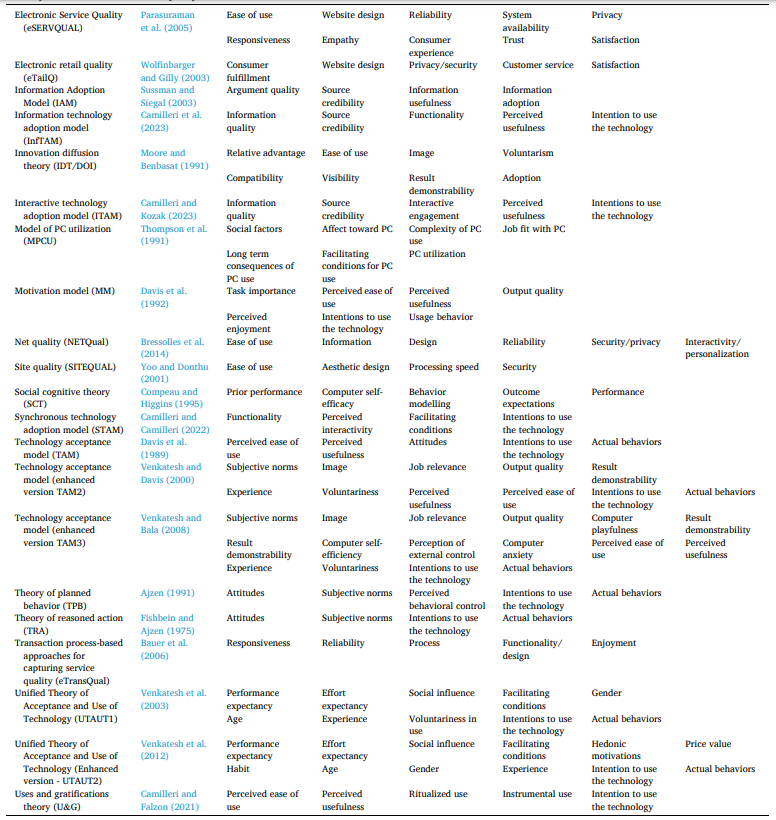
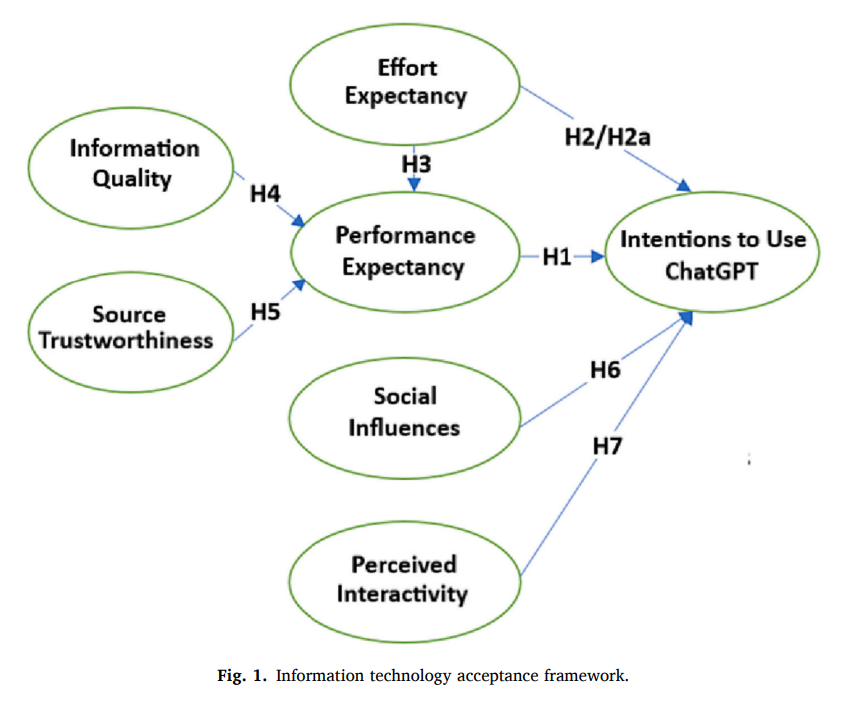
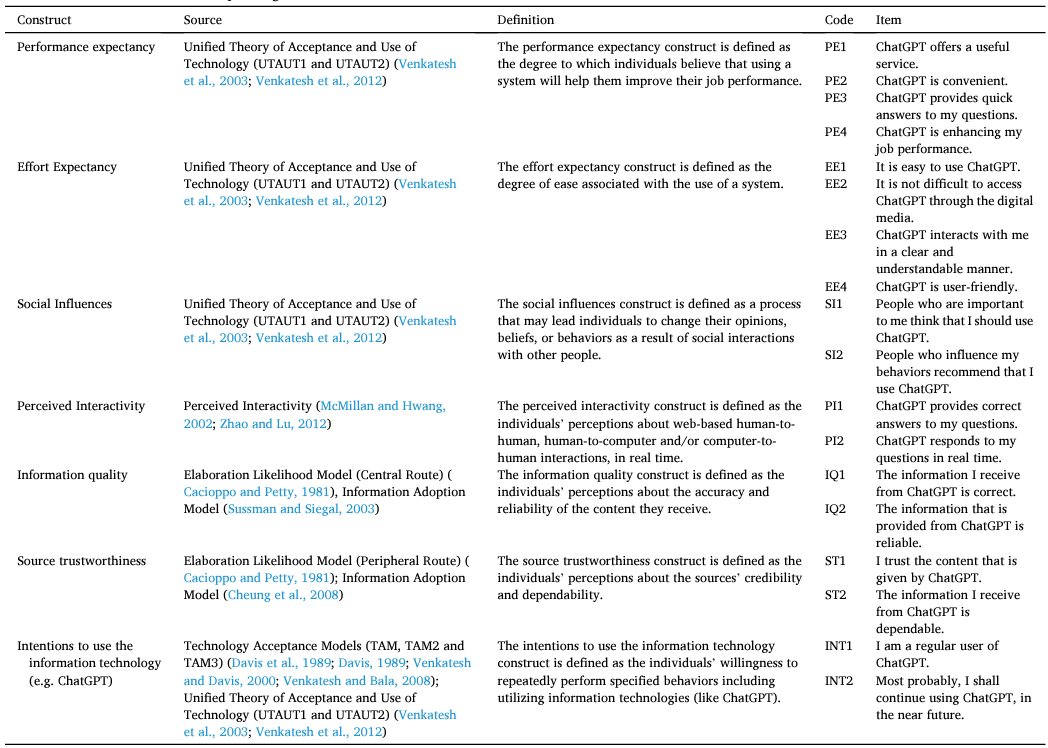



 Substantia Mea
You must be logged in to post a comment.