I have just returned back to base after a productive two-day foreign expert meeting.
Once again, it was a positive experience to connect with European academic colleagues, to review and discuss research proposals worth thousands of Euros.
My big congratulations go to the successful scholars who passed the shortlisting phase, based on our evaluation scores.
The best proposals will eventually receive national government funds for transformative projects that will add value to society and the natural environment.
Featuring snippets from an article that was accepted for publication through Springer’s “Service Business”.
Suggested citation: Camilleri, M.A., Bhatnagar, S.B. & Chakraborty, D. (2025). Exaggerated statements in online consumer reviews: Causes and implications. Service Business, 19, Art. 19, https://doi.org/10.1007/s11628-025-00590-6
Abstract
This study investigates the factors that contribute to the creation of inflated consumer testimonials. Quantitative data were gathered from four hundred forty (440) respondents who shared their service experiences through popular social media platforms. A covariance-based structural equations model approach has been used to analyze the data. The results suggest that psychological and emotional factors including the consumers’ self-image, self-enhancement as well as their motivations for retribution against service providers, are having a significant effect on the development of amplified review content.
Researchers have frequently reported that certain individuals tend to misrepresent facts and may willingly decide to deceive other persons, in their daily conversations, including in virtual ones (Moqbel and Jain 2025; Sahut et al. 2024). It is very likely that such persons would fabricate content when they engage in online conversations (Plotkina et al. 2020) and may even create inflated claims in their user generated content, while sharing personal experiences with online users (Belarmino et al. 2022; Bozkurt et al. 2023). Electronic word of mouth communications, like online reviews, are not always truthful (Camilleri, 2022; Kapoor et al. 2021; Lee et al. 2022; Tomazelli et al. 2024), as they may frequently feature inflated claims (Román et al. 2023). A few researchers have even suggested that exaggerated reviews can have an adverse effect on their credibility (Chatterjee et al. 2023).
A lack of credibility and trustworthiness in online reviews could negatively affect the consumers’ perceptions and attitudes toward the business (Camilleri and Filieri 2023; Tan and Chen 2023). For instance, Fong et al. (2024) distinguished between trustworthy and untrustworthy content presented in online consumer testimonials. Yet, for the time being, there is still scarce research focused on the propagation of inflated claims in online reviews (Arif and Chandwani 2024). Various researchers have often attempted to find ways to detect misinformation and prefabricated online content including in social media and review platforms (Chen et al. 2022).
However, in many cases, it proves difficult to recognize the identities of those reviewers who are sharing overblown and deceitful statements about their experiences in online platforms (Bylok 2022). Notwithstanding, there may be different reasons why individuals engage in deceptive behaviors. People may decide to deceive others for personal gain, and/or to protect their own image or reputation. Their intention could be to manipulate others to achieve desired outcomes (Min and Wakslak 2022). Alternatively, they may rationalize their deceitful behaviors due to psychological factors. Such individuals would probably convince themselves that their actions are justified or harmless (Costa Filho et al. 2023; Petrescu et al. 2022).
Undoubtedly, the topic about deceitful, unreliable and inflated online reviews warrants further investigation, as these electronic word-of-mouth communications may constitute false advertising or fraud. Prospective consumers can be manipulated and misled into buying substandard or misrepresented products/services. For example, the use of generative AI could exacerbate the pervasiveness of fake inflated review content with high linguistic sophistication. Hence, it may prove hard for online users to detect the legitimacy and veracity of consumer reviews. Certainly, further investigation is warranted on this topic, to better understand the incidence and the scale of the exaggerated claims featured in user-generated content, their underlying motivations and drivers, as well as the identification of technological and regulatory responses.
In this light, this research identifies the factors and the extent to which online users share overstatements and amplified assertions in consumer review platforms. Specifically, the underlying research questions are: [RQ1] How and to what extent are the consumers’ altruistic intentions to provide customer-focused reviews contributing to the development of exaggerated claims in their testimonials? [RQ2] How and to what extent are the consumers’ constructive reviews aimed at service providers having an effect on the development of exaggerated claims in their testimonials? [RQ3] How and to what extent are the consumers’ psychological factors including their self-esteem and self-image having an effect on the development of exaggerated claims in their testimonials? [RQ4] How and to what extent are the consumers’ dissatisfaction levels with the services they receive and their retribution motivations having an effect on the development of exaggerated claims in their testimonials?
This empirical study builds on extant theoretical underpinnings related to the interpersonal deception theory (Buller and Burgoon 1996; Buller et al. 1996; Burgoon 2015; Gaspar et al. 2022) to delve into the factors that can lead consumers to create inflated claims in online reviews (Hill Cummings et al. 2024; Valdez et al. 2018). The researchers validate constructs that were tried and tested in academia including altruistic motivations to support prospects and/or businesses (Hennig-Thurau et al. 2004; Yoo and Gretzel 2008), perceived self-enhancement, perceived self-image and retribution behaviors (Yoo and Gretzel 2008).
Unlike previous studies, that focus on how reviews could influence purchase decisions, or those that investigate the rationale for sharing reviews, this contribution examines the processes and motivations that lead to the articulation of exaggerated claims in testimonials (that can be either positive or negative). From the outset, this original research rejects the dominant assumption that inflated reviews are simply driven by the consumers’ egos, or from their malicious intentions. On the contrary, it suggests that altruistic appraisals that are meant to support prospective customers, constructive criticism to service providers or feedback motivated by retributive intentions, after experiencing service failures, and/or the integration of psychological self-concepts could amplify or trigger exaggerated claims in consumer reviews. As far as the authors are aware, for the time being, there are no other studies that have integrated the above factors in the same conceptual model by referring to the interpersonal deception theory as an exploratory lens. Therefore, this contribution aims to address this knowledge gap, in the tourism and hospitality industry context. The study advances a novel theoretical model that is empirically tested, in terms of the constructs’ reliabilities and validities. Moreover, it also sheds light on the significance of the causal paths that predict the consumers’ likelihood of creating exaggerated content in review platforms.
This is an excerpt from one of my contributions on the use of responsive chatbots by service businesses. The content was adapted for this blogpost.
(Source: Google Gemini)
Suggested citation: Camilleri, M.A. & Troise, C. (2022). Live support by chatbots with artificial intelligence: A future research agenda. Service Business, https://doi.org/10.1007/s11628-022-00513-9
Chatbots are usually considered as automated conversational systems that are capable of mimicking humanlike conversations. Previous research suggested that, at times, human beings are treating computers as social beings (Nass and Moon 2000; Nass et al. 1994; Rha and Lee 2022) although they are well aware that dialogue programs do not possess emotions, feelings and identities. Individuals may still perceive that service chatbots have some sort of social presence when they interact with them (Leung and Wen 2020; McLean et al. 2020; Pantano & Scarpi, 2022; Schuetzler et al. 2020), even though these technologies are capable of responding to thousands of potential users at once (Caldarini et al. 2022).
Currently, few academic contributions are using theoretical bases like the social presence theory (Grimes et al. 2020; Schuetzler et al. 2020) and/or the social response theory (Adam et al. 2021; Huang and Lin 2011), to explore human-computer interactions, and/or the utility of dialogue systems like chatbots, albeit a few exceptions. A few commentators made specific reference to related theories to describe the characteristics of chatbots or of conversational 4 agents, that are primarily used for consumer engagement purposes (Cheng and Jiang 2020; Kull et al. 2021; Mostafa and Kasamani 2021; Nuruzzaman and Hussain 2020).
The human machine communication theory was formulated in response to the growing number of technologies like AI and robotics, that are designed to function as message sources, rather than as message channels (Flavián et al. 2021). Lewis et al. (2019) contended that social bots, and even a few chatbots have pushed into the realm of what was thought to be a purely human role. Wilkinson et al.’s (2021) study shed light on the human beings’ perceptions about conversational recommender systems. In this case, the authors went on to suggest that experienced users trusted their disruptive technologies and had higher expectations from them.
Other researchers examined the online users’ trust toward chatbots in various settings (Balakrishnan and Dwivedi 2021; Borau et al. 2021; Cheng and Jiang 2020; De Cicco et al. 2020; Hildebrand and Bergner 2021; Kushwaha et al. 2021; Mozafari et al. 2021; Nuruzzaman and Hussain 2020; Pillai and Sivathanu 2020). Eren (2021) confirmed that the users’ performance perceptions regarding the use of chatbots positively affected their customer satisfaction levels in the banking sector. This finding is in line with the expectancy violation theory, as individuals form expectations following their interactions with information systems (Chopra 2019; Neuburger et al. 2018).
The individuals’ social expectations from conversational technologies are especially pronounced when they incorporate cues of humanness (Adam et al. 2021; Pfeuffer et al. 2019), that are not present in traditional systems like websites, mobile applications, and databases (Belanche et al. 2021). The anthropomorphic features of AI dialogue systems make it easier for humans to connect with them (Adam et al. 2021; Becker et al. 2022; Forgas-Coll et al. 2022; Van Pinxteren et al. 2020).
In many cases, a number of quantitative researchers have investigated online users’ perceptions and attitudes toward these interactive technologies. Very often, they relied on valid measures that were tried and tested in academia. Some utilized the theory of reasoned action (Huang and Kao, 2021), the theory of planned behavior (Brachten et al. 2021; Ciechanowski et al. 2019), the behavioral reasoning theory (Lalicic and Weismayer 2021), the technology acceptance model (Kasilingam 2020) or the unified theory of acceptance and use of technology (Mostafa and Kasamani 5 2021), as they sought to investigate the individuals’ utilitarian motivations to use chatbot technologies to resolve their consumer issues. Others examined the users’ gratifications (Cheng and Jiang 2020; Rese et al. 2020), perceived enjoyment (De Cicco et al. 2020; Kushwaha et al. 2021; Rese et al. 2020), emotional factors (Crolic et al. 2021; Lou et al. 2021; Schepers et al. 2022; Wei et al. 2021), and/or intrinsic motivations (Jiménez-Barreto et al. 2021), to determine whether they were (or were not) affecting their intentions to use them.
Stakeholders including the regulatory authorities, among others, are increasingly encouraging hospitality businesses to publish information about their environmental, social and governance (ESG) activities. In many cases, they are already preparing ESG disclosures that shed light on their sustainable production and consumption policies and practices.
The environmental dimension
Generally, many hospitality chains are already monitoring the usage of their energy, water, raw materials and other resources, to minimize their running costs. For example, their restaurants could turn off certain appliances when not in use, invest in efficient lighting, appliances, cooking methods, as well as in water conservation practices (Madanaguli et al., 2022). In addition, they could generate their energy from renewable sources. Other aspects that are related to ESG’s ‘E’ dimension include environmental protection measures, sustainable sourcing of food items and their components (as the responsible procurement of items from local suppliers would reduce their environmental impact), as well as waste minimization efforts before, during and after food consumption, among others laudable practices (Elkhwesky, 2022). Hospitality businesses may avail themselves of food waste tracking systems to optimize their production and consumption activities, and to identify areas for improvement (Okumus et al., 2020). Such systems could help them reduce food scraps that will probably end up in landfills, if they recycle them into compost, that may be used for local farming or landscaping.
Very often, they gather and hold records about their recycling efforts as well as on their generated waste and emissions that can ultimately affect biodiversity and eco-systems including climate change, water and marine resources (Klaura et al., 2023). If this is the case, their captured data can be utilized to identify inefficiencies in their restaurants and to better understand how sustainable practices (like the ones mentioned in the above text) could reduce their costs as well as their overall financial performance. Moreover, it enables them to be in a good position to disclose information about their sustainability credentials.
Restauranteurs should prioritize purchasing from local sources to support the domestic economy and reduce transportation emissions. Food and beverage preparers could utilize seasonal menus to ensure that the dishes they serve and/or their ingredients are fresh and in-season. This reasoning is congruent with the farm-to-fork or farm-to-table initiatives adopted by various hotels and restaurants (Bux and Amicarelli, 2023). Frequently, hospitality businesses are opting for organic certified products and food components, to reduce the environmental impact associated with conventional agricultural practices. In a similar vein, many practitioners are investing in ant-based and insect-based items as more consumers are recognizing their nutrition benefits (Motoki et al., 2022). A number of colleagues are recognizing that such protein foods would result in lower externalities on the environment.
In this day and age, it is imperative that food and beverage service providers utilize sustainable food items in their menus. They are pressured by stakeholders to use eco-friendly packaging made from recycled, biodegradable, compostable, and/or reusable materials for food delivery and takeaway services as opposed to single-use plastic waste that pollute the natural environment. In sum, the hospitality businesses’ environmental responsibilities comprise sustainable sourcing of food items, sound inventory management, innovative food preparation practices, responsible consumption of food, and the use of eco-friendly packaging, to minimize their environmental footprint, and contribute to broader sustainability goals.
The social dimension
Most practitioners are taking into account non-financial information about hospitality businesses’ labor practices related to their own employees as well as to other workers employed by organizations in the value chain (including distributors, suppliers, subcontractors, et cetera) (Bullock et al., 2024). Report preparers may usually gather information about the conditions of employment of human resources, training and development records, health and safety measures, work life balance initiatives, living wage policies as well as on issues related to equal opportunities, diversity and inclusion in their workplace environment. A number of contributions reported that there is scope for hospitality owner-managers to delegate responsibilities to employees to enhance their morale and job satisfaction (Camilleri, 2022, Gewinner, 2020). Frequently, they indicated that it is in their businesses’ interest to provide regular training and development opportunities on sustainable practices like food hygiene and safety, meal portion control as well as on food waste management, among others (Okumus, 2020). Notwithstanding, they are expected to communicate about their active engagement with suppliers. It is within their responsibility to ensure that they treat their marketplace stakeholders in a fair manner. They are expected to forge long lasting, mutual relationships with trustworthy suppliers and partners, who are recognized as responsible employers by stakeholders in society.
Hospitality businesses ought to be encouraged to source food items from local suppliers to promote community well-being. They should prioritize suppliers that are renowned for their dependability, responsible human resources management and environmental sustainability practices. Working closely with reliable suppliers could help improve the efficient sourcing of products and may result in timely delivery of fresh items (Vaughan, 2024). The practitioners’ engagement with suppliers would increase their chances of receiving food products and ingredients in an optimal condition, to reduce the likelihood of spoilage and of overstocking their inventories.
In addition, the social dimension may usually involve aspects related to the businesses’ engagement with customers as well as with societal stakeholders. Hospitality practitioners can promote their sustainable procurement and food production practices with customers. The food and beverage businesses’ communications and corporate disclosures about their sustainable credentials can influence their consumers’ behaviors. They could even induce their patrons to reduce food loss and waste in their households.
Report preparers could make reference to responsible marketing practices. They can raise awareness about their transparent pricing and on how they avoid deceptive or misleading tactics (Aschemann-Witzel et al., 2023). They might communicate about their commitment to protect their consumers’ personal data. It this case, practitioners may reveal that they are using secure systems to prevent data breaches and unauthorized access to information. In addition, they could publicize the provision of accessible facilities for disabled patrons. Furthermore, they may shed light on their cultural sensitivity, as well as on their engagement with local communities through food donation programs to philanthropic and charitable institutions, among other socially responsible behaviors. Their proactive collaboration with local communities, NGOs, and other stakeholders can help them achieve the sustainable development goal related to the responsible production and consumption (of food) to reduce the accumulation of waste originating from their operations (UNEP, n.d.). Conversely, they may decide to monetize their waste resources by utilize sharing economy platforms and functional mobile apps to sell surplus/excessive food to consumers, at reduced prices.
In a nutshell, the hospitality practitioners’ social responsibility aspects cover aspects related to their engagement with responsible suppliers, employees, customers and with the community at large. Restauranteurs are expected to communicate about their organizations’ responsible food production and consumption practices with a wide array of stakeholders. Their corporate reporting can add value to their business in terms of increased profits, as they benefit from an improved brand image and corporate reputation, among other positive outcomes.
The governance dimension
Listed hotel chains are frequently disseminating content about their corporate governance efforts, as they publish rules, regulations, collective agreements with trade unions and codes of conduct through offline and online channels (Yu et al., 2025). Such information would usually serve as formal guidelines for their organizations’ modus operandi. They also shed light on how the businesses are directed and controlled among internal and external stakeholders. Ultimately, it is in the organizations’ interest to build stakeholder relationships and to maintain open lines of communication with different parties, including with creditors, investors, shareholders, employees, customers, suppliers, regulatory institutions and with local communities, among others.
There is scope for hospitality businesses to report about governance aspects including details about their organizations’ standards of integrity, accountability, board structure, executive compensation, and shareholder rights among other matters in their ESG reports. Such disclosures would probably make also reference to their businesses’ ethical dispositions as well as to risk management practices (e.g. compliance with health and safety, security issues, financial and operational aspects, reputation management, etc.) as these issues can help them build brand equity, instill trust in their activities and enhance their corporate reputation.
Specific disclosures about governance matters related to responsible food production and responsible consumption may include reference to accountable and transparent leadership that prioritizes the prevention of food loss and waste. The higher echelons of the organization ought to implement clear policies and procedures that ensure sustainable supply chain management. They are expected to monitor responsible food and beverage operations, at all times, from the procurement stage, through food preparation and consumption, in order to reduce food loss and waste. Food and beverage service providers ought to comply with relevant national legislation (where they operate their business) as well as with food safety and hygiene standards to protect their consumers’ health and wellbeing. They should handle, prepare and store their food and its components, in clean environments, to minimize spoilage, contamination and waste. This argumentation is congruent with substantive legislative instruments that are present in different jurisdictions, which require restaurants, among other entities, to implement sustainable measures that improve resource efficiency and prevent the generation of waste (EU, 2023a, GovUK, 2024, NEA, 2024).
A number of regulatory standards encourage practitioners to utilize food labeling that feature expiration dates (as well as nutrition information), to reduce food loss (Clodoveo et al., 2022). They may establish dedicated committees or sustainability champions to lead responsible food and beverage operations and initiatives that are intended to achieve continuous improvements in preventative and mitigative measures that reduce waste generated from hospitality businesses. Such practices may require ongoing training and development of employees on food and beverage practices like offering reduced portions and implementing efficient inventory management, to minimize food waste as much as possible.
Hospitality businesses may refer to the industry standards (that are duly mentioned in this paper), and they can even obtain certifications from some of them, including Green Key Certification, International Standards Organization’s ISO 14001: Environmental Management Systems (EMS), among others, to improve their sustainability credentials for their food and beverage operations. These regulatory instruments can play a critical role in fostering ESG accounting, reporting, auditing and assurance. Fig. 1 clearly illustrates key elements that can be disclosed in ESG reports.
Regulatory instruments including standards and metrics for ESG reporting
Currently, several governments and intergovernmental institutions are encouraging big businesses to report information about their environmental, social and governance performance, in addition to their financial statements. Many of them are developing rules, regulations and guiding principles for corporations and listed enterprises. With regards to the materiality of their disclosures, report preparers need to take into account pertinent information (in terms of the reliability and completeness of the content they feature in their ESG reports) including on aspects related to critical issues related to sourcing of food and its ingredients, inventory management, preparation of meals (such as hygiene standards, use of local and organic ingredients), as well as other relevant details about measures that were undertaken to reduce food loss and waste. Hospitality businesses are expected to be transparent in their disclosures, to track progress vis-a-vis their efforts to reduce waste (year after year), and to identify areas that should be improved. Their ESG disclosures could also link food loss reduction initiatives with broader sustainability and financial performance metrics. This could enable them to evaluate their social, economic and environmental impacts of responsible food and beverage operations, and to develop comprehensive strategies and courses of action, for the future, to address their deficits.
Large entities, including hospitality chains as well as international food and beverage franchises, are usually expected by their stakeholders to prepare non-financial reports about their ESG performance in accordance with certifiable standards and/or eco-labels. They are bound to comply with relevant legislation about sustainability accounting, disclosures, audit and assurance practices applicable in specific jurisdictions where they operate their business,
For example, the European Union’s (EU’s) Non-Financial Reporting Directive (NFRD) Directive 2014/95/EU was one of the regulatory instruments that encouraged large undertakings to disclose non-financial information relating to ESG matters in their annual reports. Subsequently, the European Union built on the foundations of NFRD when it launched its Corporate Sustainability Reporting Directive (CSRD). Arguably, the latter directive has improved the harmonization and standardization of ESG disclosures (across the EU), in terms of their transparency, consistency, comparability and reliability aspects. While the NFRD was primarily focused on large public-interest entities (PIEs), the CSRD has extended reporting obligations to more companies, including large private companies and subsidiaries of non-EU parent companies operating within the EU member states (EU, 2023b). Business practitioners, including hospitality firms are encouraged to utilize renowned international standards to prepare their ESG disclosures. They may refer to Global Reporting Initiative’s (GRI’s) and/or to the Sustainability Accounting Standards Board’s (SASB’s) standards, among others. Whilst the former was not specifically designed to disclose information about food and beverage operations, GRI’s principles can still be applied in the hospitality industry sector.
Organizations could utilize the Global Reporting Initiative’s (GRI’s) guidelines to prepare non-financial reports that shed light on their ESG initiatives (Koseoglu et al., 2021, Li et al., 2025). They could refer to GRI’s Standards that are intended to support organizations in various aspects of their operations. Several GRI standards and guidelines can be used to address and reduce food loss and food waste in hotels and restaurants. While GRI does not have a specific standard solely focused on food waste, various standards cover aspects related to sustainability, waste management, and social responsibility that can be applied in this context. GRI has formulated topic standards related to the management approach (GRI 103 2016), procurement practices (GRI 204 2016), waste (GRI 306 2020), supplier environmental assessment (GRI 308 2016), labor/management relations (GRI 402 2016), occupational health and safety (GRI 403 2018), training and education (GRI 404 2016), marketing and labeling (GRI 417 2016): among others, that could be used to assess the businesses’ credentials, with regards to their responsible production and sustainable consumption of food.
Key takeaways
The underlying rationale behind this contribution is to promote responsible food and beverage operations within the hospitality industry. The sustainable sourcing of food products and their ingredients, their sound inventory management and control, the responsible preparation, production and consumption of food, can ultimately lead to a reduction in food loss and waste in hospitality settings including from hotels, restaurants and cafes, among others. The good practices that were mentioned in this article clearly address the environmental impact as well as social and economic dimensions, thereby promoting a holistic approach for the sustainability of food and beverage service providers.
This research raises awareness on the significance of non-financial accountability standards in the hospitality industry context. It makes reference to some of the most popular regulatory instruments and standards, including those set by the GRI, SASB and FLW among others, to promote ESG disclosures in corporate sustainability reports. Indeed, practitioners can utilize the standards mentioned in this paper, to account, measure and disclose their ESG performance. Arguably, such standards are instrumental to provide stakeholders with the necessary information to trace, evaluate and compare the sustainability efforts of hospitality firms.
This contribution builds on previous research that identified laudable food and beverage operations in the hospitality industry’s value chain; from the procurement of resources required for food production, leading to the point when surplus food and leftover items are reused, recycled or upcycled. It clarifies that excessive, edible and unspoilt food could be donated to food banks and/or to those in need, or even sold at discounted pricing through sharing economy platforms. Moreover, it also indicates that inedible foods can be converted into sustainable resources like garden compost or could be transformed into biogases, including methane (through anaerobic digester systems), that may be utilized for different purposes.
This research identifies and explains several ESG dimensions associated with food and beverage operations. It sheds light on several regulatory instruments comprising principles and standards, that may be adopted by practitioners to guide them in their ESG disclosures of their sustainable initiatives. Notwithstanding, this article puts forward a novel theoretical model that illustrates various responsible practices related to each of three (3) ESG dimensions. It clearly indicates that the hospitality businesses’ kitchen behaviors can be measured and accounted for in ESG reports, to provide stakeholders with a true and fair view of their sustainability credentials.
Future research directions
There is scope for further research focused on the main themes of this contribution. Academic colleagues may conduct primary research activities to explore the hospitality practitioners’ good practices, or lack thereof. They may reveal how they are planning, organizing, implementing and measuring the effectiveness of their responsible value chain activities. Prospective researchers may avail themselves of various methodologies and sampling frames, to explore this topic in depth and breadth. They could identify specific organizations including sustainability champions, that have a proven track record in: (i) reducing materials and resources, as well as in reusing and recycling surplus or leftover foods; (ii) utilizing sharing economy platforms and mobile apps to sell surplus foods at discounted prices; (iii) donating food to community projects; and/or iv) recycling inedible foods for compost purposes, among other options.
New submissions to journals could promote the positive multiplier effects of engaging in responsible food and beverage operations in terms of operational efficiencies and cost savings, improved corporate image and reputation, and the like. They could raise awareness on the business case for responsible food production and consumption behaviors. Alternatively, future researchers could prepare theoretical and/or discursive papers that clearly explain how, where, when and why hospitality firms are accounting their sustainable ESG activities. They may refer to specific standards and metrics presented in this article.
In addition, they may prepare comparative analyses of different ESG reporting frameworks (e.g., GRI and SASB among others). Their research might reveal the strengths and weaknesses of each framework and could possibly evaluate their standards and metrics in detail. Scholars could explore the enablers and barriers associated with ESG accounting, reporting, auditing, and assurance. They may focus on organizational aspects, financial and technological issues, regulatory interventions, and/or on cultural influences that could either support or hinder the widespread adoption of sustainable food and beverage initiatives in the hospitality sector.
Suggested citation: Camilleri, M. A. (2025). Sustainability accounting and disclosures of responsible restaurant practices in environmental, social and governance (ESG) reports. International Journal of Hospitality Management, 126, https://doi.org/10.1016/j.ijhm.2024.104051
Pleased to share that I have recently coauthored an open-access article about the growth hacking capabilities of small and medium-sized enterprises (SMEs). It has been published in collaboration with my Italian colleagues from the University of Turin, via the Journal of Business Research.
Our research confirms that SMEs can leverage their growth potential through return-generating investments in disruptive innovations and by harnessing big data analytics. In sum, it suggests that core competencies, resources, and capabilities in these areas, can enhance the SMEs’ financial and operational performance.
Suggested citation: Giordino, D., Troise, C., Bresciani, S. & Camilleri, M.A. (2025). Growth hacking capability: Antecedents and performance implications in the context of SMEs, Journal of Business Research, 192, https://doi.org/10.1016/j.jbusres.2025.115288
This blog post is an excerpt from my latest open-access article on the intersection of open innovation and the circular economy.
Suggested citation: Camilleri, M.A. (2025). Cocreating Value Through Open Circular Innovation Strategies: A Results-Driven Work Plan and Future Research Avenues, Business Strategy and the Environment, https://doi.org/10.1002/bse.4216
The stakeholders’ open innovation approaches are evidenced through collaborative practices across value chains, as practitioners are willing to share ideas and technologies with “new” partners to advance disruptive sustainable innovations (Battistella and Pessot 2024; Bocken and Ritala 2022; Brown et al. 2020). Inbound innovation practitioners can benefit from external stakeholders’ knowledge and expertise to implement product-life extension strategies and resource recovery methods and to cocreate circular economy ecosystems including industrial symbiosis, reverse logistics, product-service systems/product-as-a-service, sharing economy, and leasing models (Köhler et al. 2022; Lisi et al. 2024).
Resource Recovery and Industrial Symbiosis
Open innovation practitioners would benefit from external competences, capabilities, and technologies from stakeholders who are not in the company’s books. Their ongoing engagement and collaboration with them may help them improve their operations as they acquire resources such as human capital, materials, energy, water, and by-products, among others. Resource sharing can help the businesses to optimize manufacturing processes, to minimize waste, and to create a more sustainable and efficient industrial ecosystem (Johnstone 2024).
Practitioners may even benefit from other businesses’ externalities including by-products or unwanted waste materials and could utilize them as resources. They can leverage open innovation approaches to address resource scarcity (and resource depletion) by finding new ways to repurpose waste. They may do so by reducing material inputs and by recycling valuable resources (Berkemeier et al. 2024). For example, the heat generated from a power plant could be used to heat buildings or greenhouses located in nearby communities. Industries situated close to each other may share utilities including energy and water supply infrastructure or services, such as transportation, water treatment facilities, or waste management services. Their resource recovery can result in cost saving and operational efficiencies (Johnstone 2024).
Cross-industry collaboration and industrial symbiosis can help companies to discover new uses of waste streams to develop circular supply chains. There is scope for business leaders to engage with external stakeholders, to exchange or sell discarded resources, and by-products that would otherwise end up as waste. Arguably, one company’s waste, materials and by-products can serve as resources for others. The sharing of resources among organizations can significantly enhance the practitioners’ capabilities, as partners can work in tandem on sustainability initiatives and innovation projects to achieve circular economy outcomes. The stakeholders’ pooling of surplus resources can lower the manufacturing costs for collaborating partners, as they allow them to access tools and materials at lower market prices.
The case of Kalundborg, Denmark, typifies such open innovation approaches (CEStakeholderEU n.d.; Valenzuela-Venegas et al. 2016). A power plant (located at Asnæs), a Novo Nordisk (a pharmaceutical company), and an oil refinery (belonging to Equinor, formerly known as Statoil), among other organizations, are working together in industrial symbiosis. In sum, these entities have created a network that optimizes materials from waste or by-products and are turning them into valuable resources. Their aim is to lower their costs while minimizing their environmental impact.
Kalundborg started as an informal exchange of waste materials between industries that are situated in close proximity to one another. For example, the excess heat from the power plant is used by Novo Nordisk for production processes, and to heat local homes. In addition, surplus water from the oil refinery is used by a local fish farm. Over the years, this collaboration has grown into a large-scale, highly efficient system, where waste from one process becomes a resource for another. Such symbiosis has significantly reduced waste, emissions, and water consumption, thereby contributing to environmental and economic sustainability.
Similarly, the municipality of Amsterdam is collaborating with a nonprofit organization, entitled, “Circle Economy.” Together, they have developed a strategic plan whose objectives are to turn Amsterdam into a fully circular city by 2050 (Calisto Friant et al. 2021; CEStakeholderEU 2016; Government.nl 2016). This initiative involves the transformation of various sectors, such as construction, energy, and waste management, among others, to adapt the city to operate closed-loop systems. Collaborative projects comprise the reutilization of materials from demolished buildings to reduce waste generated from the construction industry, the promotion of business models like “product as a service” that encourage the leasing of assets rather than owning them, the development of shared mobility solutions, and the reduction of food waste, among others (Camilleri 2021; Camilleri 2025). These circular economy practices can contribute to reducing resource utilization, consumption, and depletion of materials.
Resource Recovery, Reverse Logistics, and Product-Life Extension Strategies
Practitioners can collaborate with external partners to extend the life of certain products and/or of their components. They can help each other to recover materials from used and unwanted items, including from waste, in order to reuse, refurbish, recycle, and remanufacture resources to promote sustainable supply chains (Hadi 2024). The resource recovery procedures focus on reclaiming discarded products and their component materials to reuse them as inputs for new production processes (Brown et al. 2020). Similarly, reverse logistics approaches are intended to support the collection and transportation of waste items, like plastics, metal, and electronics, among others (Pichlak and Szromek 2022). For example, returned electronics can be refurbished, remanufactured for further use, and resold. Such operational processes facilitate the flow of products in the opposite direction of traditional supply chains, as they involve returning, repairing, restoring, and recycling materials for a specific manufacturer, or for designated facilities.
The utilized materials that could have finished in a landfill can be repurposed as plausible resources in industrial production (Lisi et al. 2024). Likewise, the products collected through reverse logistics can also be refurbished or remanufactured. This form of resource recovery extends the life of products and reduces the need for new raw materials (Phonthanukitithaworn et al. 2024). There are instances where materials like organic waste, used oils, or even heat could be captured and utilized in waste-to-energy processes, and for resource extraction purposes, instead of being disposed of, in the natural environment (Ahmad et al. 2024; Liu et al. 2023). Therefore, external stakeholders could help sustainability champions in the recovery of resources, or to increase product longevity, and the lifecycles of extant products and/or of their component materials, while reducing material consumption (Panza et al. 2022; Sgambaro et al. 2024). As a result, the responsible manufacturers would be in a position to develop sustainable products that are durable, repairable, recyclable, and/or biodegradable.
For example, retail brands, including H&M, among others have teamed up with Ellen MacArthur Foundation as well as with philanthropists, nongovernmental organizations (NGOs), and disruptive innovators, to design a “new textiles economy” known as Circular Fibres Initiative (Ellen MacArthur Foundation 2021a; UNEP 2023). One of its objectives is to develop materials including sustainable fibers in order to improve their end-of-life processing. As a result, clothing and apparel materials could last longer, be worn multiple times, and may be easily rented, resold, or recycled. This collaboration set the foundation for H&M’s efforts to collect and recycle used clothing through their in-store garment collection programs. Similarly, Nike has launched a Circular Innovation Challenge (Di Summa 2023). Like H&M, it invited innovators from around the world to propose ideas for new sustainability materials, design processes, and end-of-life solutions for shoes, to transform the future of footwear. Evidently, Nike’s goal was to reduce waste by creating closed-loop products that are recycled or reused at the end of their lifecycle. One of the major outcomes of their challenge was the development of shoes made from recycled materials, including from factory waste and recycled plastics.
Like Nike, Adidas partnered with Parley for the Oceans, an environmental organization, as well as with material innovators and recycling experts, to address a growing consumer demand for eco-friendly and sustainable footwear, without compromising on performance or quality (Murfree and Police 2022). This collaboration is aimed at developing shoes made from recycled ocean plastics, thereby contributing to a circular product lifecycle. As a result, the company’s Parley line of shoes, which was/is made from ocean plastics, has quickly become a global success, with millions of pairs sold since its launch. Other apparel brands, including Patagonia, REI, and Eileen Fisher, have joined forces with Yerdle, a technology company that provides logistics capabilities to buy back and resell their used items (Agrawal et al. 2019; Forbes 2019). By taking advantage of resale, brands take control of the growing secondary retail market. Such sustainable recovery practices provide them with an opportunity to extend the life of their existing products. Hence, they are in a position to reduce the generation of unwanted materials that end up in landfills. At the same time, they promote responsible consumption behaviors among consumers, and increase their profits, by selling refurbished items.
Alternatively, for-profit businesses may collaborate with other organizations, including with competitors, to reduce waste related to single-use packaging, that could inevitably end up in landfills, and/or in our oceans. TerraCycle, a United States–based company specializing in recycling hard-to-recycle materials, is a case in point, of such organizations, as its “Loop” platform aims to reduce single-use packaging, by offering consumers reusable, refillable containers for everyday products (Conick 2019; WEF 2023). Launched in 2019, Loop represents a major step toward implementing circular economy principles. It is intended to eliminate waste from disposable packaging through a “return and reuse” system. For the record, Terracycle entered into a partnership with multinational brands like Nestlé, Unilever, and Procter & Gamble, among other retailers Consumers can purchase these brands’ products through Loop’s platform, and when finished, they can return their empty packages for cleaning and reuse. The partnerships among these big brands has dramatically reduced the need for single-use plastic packaging. As a result, a number of companies have been able to extend the lifecycle of their packaging materials, while offering consumers a more sustainable alternative to traditional packaging. The Loop model has expanded to major retailers like Carrefour in Europe and Walgreens in the United States, among others, demonstrating that open innovation efforts across different sectors can scale circular practices globally (WEF 2025).
For instance, there is scope for businesses to collaborate with research institutions as well as with NGOs, to develop open innovation solutions that are intended to reduce waste and pollution that are damaging the natural environment and the biosphere (Pichlak and Szromek 2022). For instance, Interface (a flooring company) and the Zoological Society of London have launched the Net-Works Program (Luqmani et al. 2017; ZSL 2025). Essentially, this program involves the utilization of discarded fishing nets and their recycling into nylon yarn, to develop sustainable carpets. Net-Works is designed to tackle the growing environmental problem of discarded fishing nets in some of the globe’s poorest coastal communities, including those in the Philippines and Cameroon, among others. This program is aimed at reducing pollution in the oceans, as plastic materials can be ingested by marine animals and/or destroy their habitat. It raises awareness on the use of dangerous resources that are polluting the world’s natural environment. Moreover, it offers economic opportunities for the governments of developing countries, as they enable them to provide new sources of income for local communities. Through such sustainable initiatives, Interface has integrated a circular economy approach into its supply chain. It created a model that combines environmental conservation with social impact.
In a similar vein, Unilever, one of the world’s largest consumer goods companies, is collaborating with external innovators, research institutions and startups to address the challenge of plastic waste. In short, this multinational business indicated that it is seeking external ideas to reduce plastic waste, to use better plastic that is designed to be recycled, and/or to avoid using plastic by switching to alternative materials (Arijeniwa et al. 2024; Phelan et al. 2022). Unilever’s engagement with external partners has helped the organization to utilize responsible material designs, sustainable packaging, and recycling technologies that align with circular economy principles. For example, one of the key success factors of Unilever’s open innovation initiative was the development of a fully recyclable plastic detergent bottle that is made from 100% recycled materials. Additionally, this multinational organization continuously raises awareness about its reuse and refill stations for personal care products, in various supermarkets, in different contexts around the globe, thereby reducing the need for single-use packaging. The diverse ideas sourced through external partners are significantly contributing to minimizing the use of virgin plastics by its distributors in the value chains, as well as by their consumers.
Likewise, Proctor & Gamble (P&G) collaborates with external scientists, startups, research institutions, and industry partners in its Connect + Develop program that is intended to develop sustainable products and solutions (Huston and Sakkab 2006). This laudable program seeks external ideas related to sustainable packaging and product designs that are congruent with the company’s circular economy goals. Since its inception, P&G has developed new packaging materials that are easier to recycle, such as its clear, recyclable plastic for shampoo bottles. The company has also introduced concentrated product formulations that reduce packaging waste and shipping emissions. P&G’s open innovation model allowed the company to access diverse ideas and to rapidly implement responsible and sustainable solutions that align with its circular economy vision.
Another good example of circular economy practices is clearly illustrated when organizations leverage open innovation approaches to adopt waste-to-resource technologies to accelerate their transition to a zero-waste economy. A number of manufacturing firms including automotive businesses are already recovering materials and reutilizing resources from used vehicles at their end-of-life. Renault, one of Europe’s largest car makers, has teamed up with Veolia, a global environmental services company and Solvay, a global chemical and advanced materials company, to develop closed-loop recycled resources for automotive parts (Ellen MacArthur Foundation 2021b; Muller et al. 2021). These companies collaborate to utilize end-of-life vehicles to recover metals, plastics and other materials from them, as they are no longer in use. This allows Renault to operate its business sustainably, as the French car maker incorporates recycled materials in its new automobiles. The automotive company’s manufacturing plant in Flins, France, became a leading facility in Europe for vehicle disassembly and material recovery, thereby contributing to the circular economy agenda.
Product-Service Systems/Product-as-a-Service
Other manufacturing practitioners operating in different industries are adopting product-service systems that are also known as product-as-a-service business models. Such circular economy approaches involve companies offering products in combination with services (Sgambaro et al. 2024). The businesses offering product-service systems emphasize about the value derived from accessing and utilizing their maintained products rather than owning them. This economic model clearly specifies that customers do not have to purchase the products they use. Hence, consumers would benefit from utilizing the products and from its performance. Frequently, the practitioners operating business models that are very similar to leasing systems would provide additional services including maintenance, upgrades, and training, among others, along with their products, to add value to customers. As the service providers would usually retain the ownership of their products, it is in their interest to design them as efficient as possible, as they are meant to serve their purpose for a long time, without the need for regular maintenance (Chen 2018). Preferably, they should be designed in a very sustainable manner. Their components ought to be easily recyclable, and preferably modular and lightweight, to increase their likelihood of offering extended product lifespans.
A case in point is Signify (that was formerly known as Philips Lighting). Currently, the Dutch multinational conglomerate is collaborating with various municipalities and businesses (Bocken 2021; Camilleri 2019). The company is adopting a product-service system strategy, as it provides lighting systems as a service to its clients including to municipalities and to businesses, rather than merely selling light bulbs. This enables Signify to retain ownership of its equipment, to maintain its infrastructure as well as to upgrade and recycle its products at their end-of-life. In plain words, its customers will be only expected to pay for the light they use.
Arguably, this business model is clearly promoting the circular economy. It encourages the manufacturers and/or service providers to use efficient materials, as well as to increase the recycling of resources and materials. Hence, they will be in a better position to reduce their waste.
Sharing Economies and Leasing Systems
There are other sustainable business models that are related to product-service systems (Sergianni et al. 2024). In this case, their payment structure is typically based on subscription models, leases, and/or may involve pay-per-use arrangements. Customers including individuals and organizations, such as institutions, businesses, and NGOs, will be expected to pay for the duration of the service(s) they receive, or to pay the amount of the products they consume. Like the product-service systems (that were mentioned in the previous section), such circular economy models are shifting the focus from ownership to access (Eisenreich et al. 2021).
Such sustainable propositions can extend product lifecycles, reduce the generation of waste, and encourage resource-efficient practices. The proprietors who lease their assets are responsible for their ongoing maintenance and repairs. Hence, it is in their interest to design and develop high-quality, durable items and components that are easy to replace, refurbish, recycle, and repair. If they do so, they would require fewer raw materials, minimize their reliance on new resources, and also decrease their waste output.
The partnership between FROG Bikes (a manufacturer of children’s bikes) and Bike Club (a subscription service for bikes) represents a good example of open innovation practices, as the two businesses joined forces to lease bikes for families, and to exchange bikes as children outgrow them (Eurofound 2018). Essentially, Frog Bikes maintains, refurbishes, and reuses its bikes with new customers, once existing consumers need to upgrade to bigger ones. They strive in their endeavors to maximize the use of their resources. In reality, such a sharing economy initiative has extended the life of the bikes and has significantly reduced the likelihood that they end up in landfills when kids outgrow them. Indeed, the Bike Club’s leasing model is promoting a circular approach by prioritizing maintenance, reuse, and resource efficiency, over ownership and disposal.
Similarly, Floow2, a Dutch business-to-business sharing platform, collaborates with hospitals, construction companies, and other firms to share underutilized equipment, vehicles, and office spaces (Ellen MacArthur Foundation 2021c). This sharing economy company invites businesses from various industry sectors, including healthcare and construction, among others, to list their idle assets (that can be rented). Floow2 facilitates the sharing economy of high-cost resources such as medical equipment and/or construction tools. Its platform enables its customers (including hospitality, clinics, healthcare centers, and construction companies, among others) to optimize their operations, by utilizing leased technologies and systems, without the need to purchase them. This sharing economy approach reduces unnecessary investments in new equipment, minimizes waste, and improves resource efficiencies across multiple sectors.
Discussion
This research raises awareness of practitioners’ crowdsourcing initiatives and collaborative approaches, such as sharing ideas and resources with external partners, expert consultants, marketplace stakeholders (like suppliers and customers), university institutions, research centers, and even competitors, as the latter can help them develop innovation labs and to foster industrial symbiosis (Calabrese et al. 2024; Sundar et al. 2023; Triguero et al. 2022). It reported that open innovation networks would enable them to work in tandem with other entities to extend the life of products and their components. It also indicated how and where circular open innovations would facilitate the sharing of unwanted materials and resources that can be reused, repaired, restored, refurbished, or recycled through resource recovery systems and reverse logistics approaches. In addition, it postulates that circular economy practitioners could differentiate their business models by offering product-service systems, sharing economies, and/or leasing models to increase resource efficiencies and to minimize waste.
Arguably, the cocreation of open innovations can contribute to improve the financial performance of practitioners as well as of their partners who are supporting them in fostering closed-loop systems and sharing economy practices. They enable businesses and their stakeholders to minimize externalities like waste and pollution that can ultimately impact the long-term viability of our planet. Figure 1 presents a conceptual framework that clarifies how open innovation cocreation approaches can be utilized to advance circular, closed-loop models while adding value to the businesses’ financial performance.
The collaborative efforts between organizations, individuals, and various stakeholders can lead to sustainable innovations, including to the advancement of circular economy models (Jesus and Jugend 2023; Tumuyu et al. 2024). Such practices are not without their own inherent challenges and pitfalls. For example, resource sharing, the recovery of waste and by-products from other organizations, and industrial symbiosis involve close partnership agreements among firms and their collaborators, as they strive in their endeavors to optimize resource use and to minimize waste (Battistella and Pessot 2024; Eisenreich et al. 2021). While the open innovation strategies that are mentioned in this article can lead to significant efficiency gains and to waste reductions, practitioners may encounter several difficulties and hurdles, to implement the required changes (Phonthanukitithaworn et al. 2024). Different entities will have their own organizational culture, strategic goals, and modus operandi that may result in coordination challenges among stakeholders.
Organizations may become overly reliant on sharing resources or on their symbiotic relationships, leading to vulnerabilities related to stakeholder dependencies (Battistella and Pessot 2024). For instance, if one partner experiences disruptions, such as operational issues or financial difficulties, it can adversely affect the feasibility of the entire network. Notwithstanding, organizations are usually expected to share information and resources when they are involved in corporate innovation hubs and clusters. Their openness can lead to concerns about knowledge leakages and intellectual property theft, which may deter companies from fully engaging in resource-sharing initiatives, as they pursue outbound innovation approaches.
Other challenges may arise from resource recovery, reverse logistics, and product-life extension strategies (Johnstone 2024). The implementation of reverse logistics systems can be costly, especially for small and micro enterprises. The costs associated with the collection, sorting, and processing of returned products and components may outweigh the benefits, particularly if the market for recovered materials is not well established (Panza et al. 2022; Sgambaro et al. 2024). Moreover, the effectiveness of resource recovery methodologies and of product-life extension strategies would be highly dependent on the stakeholders’ willingness to return products or to participate in recycling programs. Circular economy practitioners may have to invest in promotional campaigns to educate their stakeholders about sustainable behaviors. There may be instances where existing recovery and recycling technologies are not sufficiently advanced or widely available, in certain contexts, thereby posing significant barriers to the effective implementation of open circular innovations. Notwithstanding, there may be responsible practitioners and sustainability champions that may struggle to find reliable partners with appropriate technological solutions that could help them close the loop of their circular economy.
In some scenarios, emerging circular economy enthusiasts may be eager to shift from traditional product sales models to innovative product-service systems. Yet, such budding practitioners can face operational challenges in their transitions to such circular business models. They may have to change certain business processes, reformulate supply chains, and also redefine their customer relationships, to foster compliance with their modus operandi. These dynamic aspects can be time-consuming, costly, and resource intensive (Eisenreich et al. 2021). For instance, the customers who are accustomed to owning tangible assets may resist shifting to a product-service system model. Their reluctance to accept the service providers’ revised terms and conditions can hinder the adoption of circular economy practices. The former may struggle to convince their consumers to change their status quo, by accessing products as a service, rather than owning them (Sgambaro et al. 2024). In addition, the practitioners adopting products-as-a-service systems may find it difficult to quantify their performance outcomes related to resource savings and customer satisfaction levels and to evaluate the success of their product-service models, accurately, due to a lack of established metrics.
In a similar vein, the customers of sharing economies and leasing systems ought to trust the quality standards and safety features of the products and services they use (Sergianni et al. 2024). Any negative incidents reported through previous consumers’ testimonials and reviews can undermine the prospective customers’ confidence in the service provider or in the manufacturer who produced the product in the first place. Notwithstanding, several sharing economy models rely on community participation and localized networks, which can pose possible challenges for scalability. As businesses seek to expand their operations, it may prove hard for them to consistently maintain the same level of trust and quality in their service delivery. Moreover, many commentators argue that the rapid growth of sharing economies often outpaces existing regulatory frameworks. The lack of regulations, in certain jurisdictions, in this regard, can create uncertainties and gray areas for businesses as well as for their consumers.
This is an excerpt from one of my latest open-access articles published via International Journal of Hospitality Management
Suggested citation: Camilleri, M.A. (2025). Sustainability accounting and disclosures of responsible restaurant practices in environmental, social and governance (ESG) reports, International Journal of Hospitality Management, 126, https://doi.org/10.1016/j.ijhm.2024.104051
Currently, humanity is generating more than one billion tons of food waste, including packaging, biodegradable edible food scraps, fruits and vegetables, among others. Together, these items accumulate about one hundred and thirty-two (132) kilograms per capita and almost one-fifth (1/5) of all food available to consumers (Department of Energy, 2024). Out of the total food that was wasted in 2022, sixty per cent (60 %) was produced by private households, twenty-eight per cent (28 %) originated from food and beverage service providers including hotels, restaurants, pubs and cafes, and twelve percent (12 %) came from retail stores (UNEP, 2024).
Frequently, food items and their ingredients are wasted because of a decline in quality, due to contamination, overstocking and/or spoilage issues, as they are not consumed before their expiry date, resulting in their decay (Pearson et al., 2025). Notwithstanding, the preparers of food tend to over-produce perishable items that are uneaten by consumers. Such spoilt products and surplus food will usually end up in municipal landfills, resulting in negative repercussions for our fragile natural environments, bio diversities and ecosystems (EuroStat, 2023). In other words, the piling up of food waste is inevitably causing pollution and irreparable damage| including global greenhouse gas emissions (GHG) that can exacerbate climate change for our planet.
At the time of writing, food loss and waste are triggering eight to ten per cent (8–10 %) of annual (GHG) emissions and are taking up the equivalent of almost a third of the world’s agricultural land. The disposal, handling and accumulation of food waste is costing the global economy about USD 1 trillion (UNEP, 2024). Therefore, the reduction of food loss is critical to increase the efficiency of the globe’s food systems, to improve food security for every nation and its citizens, whilst decreasing production costs in the value chain.
In this light, the rationale of this contribution is to raise awareness on responsible food and beverage operations in the hospitality industry. Primarily, it identifies sustainable practices that are intended to reduce food loss and waste from the value chain through sustainable sourcing of food products, by implementing sound inventory management systems as well as by promoting ecofriendly behaviors during responsible food preparation and consumption practices. A thorough review of the extant literature suggests that, currently, there are just a few articles that shed light on responsible food and beverage operations (Oke et al., 2023, Yong et al., 2024), although a number of institutions and organizations are raising the agenda on sustainable food production behaviors among practitioners (EU, 2021, HOTREC, 2017).
Secondly, this article highlights the importance of sustainability accounting and reporting during each stage of food preparation, production and consumption (Huang et al., 2023, Lee et al., 2024, Lin et al., 2024). It clearly explains in a pragmatic manner how environmental, social and governance (ESG) accountability standards, like the ones formulated by Global Reporting Initiative (GRI), Sustainability Accounting Standards Board (SASB) and the Food Loss and Waste Accounting and Reporting Standard (FLW Standard) among others, could be applied in the hospitality industry context.
Therefore, the research objectives of this contribution are threefold: (i) It identifies and discusses about sustainable practices that hotels, restaurants and cafes can implement to minimize food loss and waste; (ii) It sheds light on different regulatory instruments including guiding principles and standards, that can be utilized for ESG accounting, disclosures, audit and assurance of food and beverage services, including those operated by hospitality practitioners; (iii) It advances a theoretical model that clearly summarizes different aspects related to ESG dimensions.
This empirical study provides a snapshot of the online users’ perceptions about Chat Generative Pre-Trained Transformer (ChatGPT)’s responses to verbal queries, and sheds light on their dispositions to avail themselves from ChatGPT’s natural language processing.
It explores their performance expectations about their usefulness and their effort expectations related to the ease of use of these information technologies and investigates whether they are affected by colleagues or by other social influences to use such dialogue systems. Moreover, it examines their insights about the content quality, source trustworthiness as well as on the interactivity features of these text-generative AI models.
Generally, the results suggest that the research participants felt that these algorithms are easy to use. The findings indicate that they consider them to be useful too, specifically when the information they generate is trustworthy and dependable.
The respondents suggest that they are concerned about the quality and accuracy of the content that is featured in the AI chatbots’ answers. This contingent issue can have a negative effect on the use of the information that is created by online dialogue systems.
OpenAI’s ChatGPT is a case in point. Its app is freely available in many countries, via desktop and mobile technologies including iOS and Android. The company admits that its GPT-3.5 outputs may be inaccurate, untruthful, and misleading at times. It clarifies that its algorithm is not connected to the internet, and that it can occasionally produce incorrect answers (OpenAI, 2023a). It posits that GPT-3.5 has limited knowledge of the world and events after 2021 and may also occasionally produce harmful instructions or biased content.
OpenAI recommends checking whether its chatbot’s responses are accurate or not, and to let them know when and if it answers in an incorrect manner, by using their “Thumbs Down” button. They even declare that their ChatGPT’s Help Center can occasionally make up facts or “hallucinate” outputs (OpenAI, 2023a, OpenAI, 2023b).
OpenAI reports that its top notch ChatGPT Plus subscribers can access safer and more useful responses. In this case, users can avail themselves from a number of beta plugins and resources that can offer a wide range of capabilities including text-to-speech applications as well as web browsing features through Bing.
Yet again, OpenAI (2023b) indicates that its GPT-4 still has many known limitations that the company is working to address, such as “social biases and adversarial prompts” (at the time of writing this article). Evidently, works are still in progress at OpenAI.
The company needs to resolve these serious issues, considering that its Content Policy and Terms clearly stipulate that OpenAI’s consumers are the owners of the output that is created by ChatGPT. Hence, ChatGPT’s users have the right to reprint, sell, and merchandise the content that is generated for them through OpenAI’s platforms, regardless of whether the output (its response) was provided via a free or a paid plan.
Various commentators are increasingly raising awareness about the corporate digital responsibilities of those involved in the research, development and maintenance of such dialogue systems. A number of stakeholders, particularly the regulatory ones, are concerned on possible risks and perils arising from AI algorithms including interactive chatbots.
In many cases, they are warning that disruptive chatbots could disseminate misinformation, foster prejudice, bias and discrimination, raise privacy concerns, and could lead to the loss of jobs. Arguably, one has to bear in mind that, in many cases, many governments are outpaced by the proliferation of technological innovations (as their development happens before the enactment of legislation).
As a result, they tend to be reactive in the implementation of substantive regulatory interventions. This research reported that the development of ChatGPT has resulted in mixed reactions among different stakeholders in society, especially during the first months after its official launch.
At the moment, there are just a few jurisdictions that have formalized policies and governance frameworks that are meant to protect and safeguard individuals and entities from possible risks and dangers of AI technologies (Camilleri, 2023). Of course, voluntary principles and guidelines are a step in the right direction. However, policy makers are expected by various stakeholders to step-up their commitment by introducing quasi-regulations and legislation.
Currently, a number of technology conglomerates including Microsoft-backed OpenAI, Apple and IBM, among others, anticipated the governments’ regulations by joining forces in a non-profit organization entitled, “Partnership for AI” that aims to advance safe, responsible AI, that is rooted in open innovation.
In addition, IBM has also teamed up with Meta and other companies, startups, universities, research and government organizations, as well as non-profit foundations to form an “AI Alliance”, that is intended to foster innovations across all aspects of AI technology, applications and governance.
Suggested citation: Camilleri, M. A. (2024). Factors affecting performance expectancy and intentions to use ChatGPT: Using SmartPLS to advance an information technology acceptance framework. Technological Forecasting and Social Change, 201, https://doi.org/10.1016/j.techfore.2024.123247
Featuring a few snippets from one of my latest co-authored papers on the use of digital technologies for lean and sustainable value chains. A few sections have been adapted to be presented as a blog post.
Suggested citation: Strazzullo, S., Cricelli, L., Troise, C. & Camilleri, M.A. (2024). Leveraging Industry 4.0 technologies for sustainable value chains: Raising awareness on digital transformation and responsible operations management, Sustainable Development, https://doi.org/10.1002/sd.3211
Abstract
Practitioners, policy makers as well as scholars are increasingly focusing their attention on the promotion of sustainable practices that reduce the businesses’ impacts on the environment. In many cases, they are well aware that manufacturers and their suppliers are resorting to lean management processes and Industry 4.0 (I4.0) technologies such as big data, internet of things (IoT), and artificial intelligence (AI), among others, to implement sustainable production models in their operational processes. This research utilizes an inductive approach to better understand how I4.0 technologies could result in increased organizational performance in terms of resource efficiencies, quality assurance as well as in environmentally sustainable outcomes, in the context of the automotive industry. The findings shed light on the relationship between I4.0 technologies, sustainable and lean practices of automakers of combustion engines, hybrid models and/or electric vehicles (EVs). In conclusion, this contribution puts forward an original conceptual framework that clearly explains how practitioners can avail themselves of disruptive technologies to foster continuous improvements in their value chain.
Keywords: Industry 4.0, digital transformation, lean management, sustainable supply chain, responsible operations management, resource efficiencies.
Introduction
The manufacturing industries are characterized by their increased emphasis on the development of sustainable practices that are facilitated by digital technologies. Companies are under pressure from a wide range of stakeholders, including by regulatory institutions and by individual customers, among others (Wellbrock et al., 2020). In parallel, in recent years, most businesses have gradually introduced Industry 4.0 (I4.0) technologies in their manufacturing processes, as they shifted to smart factory models (Atif, 2023; Choi et al., 2022; Varriale et al., 2024). However, they cannot disregard their corporate responsibilities on economic, environmental and social aspects (Sunar & Swaminathan, 2022). Many researchers contend that sustainability behaviors ought to be integrated with I4.0 processes (Ghobakhloo, 2020), in order to enhance the effectiveness, efficiencies and economies of their Supply Chains (SC) (Núñez-Merino et al., 2020). To be competitive in this context, SCs are implementing lean management models to improve their operations.
The sustainability of SC is related to the notion of Lean Supply Chain Management (LSCM) that refers to the elimination of non-value-added activities in order to enhance the manufacturing firms’ performance (Centobelli et al., 2022; Núñez-Merino et al., 2020). The proponents of LSCM suggest that the generation of waste can be reduced through responsible management strategies (Deshpande & Swaminathan, 2020). Arguably, the minimization of externalities can ultimately affect all stakeholders of SCs, ranging from the business itself, its suppliers as well as its consumers (Khorasani et al., 2020). Notwithstanding, the stakeholders’ pressures on organizations has led them to change their operational approaches to comply with new environmental regulations and to respond to the growing demands of customers for sustainable products and services (Adomako et al., 2022; Camilleri et al., 2023).
As a result, many commentators are also raising awareness on the Sustainable Supply Chain Management (SSCM) concept (Sonar et al., 2022; Yadav et al., 2020). Very often, they claim that SSCM is an important organizational model that can increase corporate profits and boost market shares. The SSCM proposition is based on the reduction of risks from unwanted environmental impacts, thereby improving the overall efficiency of SCs (Negri et al., 2021). Previous contributions have clearly demonstrated how LSCM and SSCM are closely related to one another (Azevedo et al., 2017). More recent studies have deepened the link between the lean management paradigm and I4.0 (Oliveira-Dias et al., 2022; Tissir et al., 2022). The integration of these two concepts has led to the formulation of new definitions such as “Lean 4.0” and “Digital Lean Manufacturing”, among others.
Given the increased complexity of operations, many researchers debate that the introduction of lean practices may not be enough to address extant competitive pressures. Although lean management can improve the operational efficiencies of SCs and may add value to their organization, there is still scope for practitioners to continue ameliorating their extant processes. Lean initiatives are reaching a point where they are becoming common practice in different contexts. Many manufacturers are adopting them to reduce their costs. However, the success of lean production practices relies on the management’s strategic decisions and on operational changes they are willing to undertake. Arguably, both SSCM and LSCM are aimed at fostering more flexible, fast, customized, and transparent operations management in manufacturing and distribution systems. Some studies have already clarified how digital technologies can help practitioners to improve achieve these objectives (Ghobakhloo, 2020; Varriale et al., 2024).
Several academic studies have not considered the fact that SCs are becoming more technologically savvy. As technologies continue to evolve, they are transforming the modus operandi of many businesses. Today’s organizational processes are increasingly utilizing different types of innovative solutions. Undoubtedly, manufacturers ought to keep up with the latest advances in technology and with the changing market conditions. Besides, a number of firms are opting to outsource their manufacturing processes to low-cost developing countries. In this light, this research builds on theoretical underpinnings focused on the link between SSCM and LSCM. However, it differentiates itself from previous contributions, as it clarifies how these two paradigms can be connected to I4.0.
Notwithstanding, for the time being, there is still a lack of agreement among academia, policy makers and expert practitioners about what constitutes lean, sustainable systems in today’s manufacturing landscape. Although there a number of stakeholders who are already engaging in LSCM and SSCM practices to meet the new challenges and opportunities presented by I4.0 and the digital age, others are still lagging behind, or are considering SSCM and LSCM and digital technologies as silos, as they see no link between these approaches (Narkhede et al., 2024).
For example, at the time of writing, several automotive manufacturers claim that they are integrating lean and sustainable practices. Very often, they indicate that they utilize I4.0’s disruptive technologies. Yet, a number of academic commentators argue that some of these practitioners unsustainable manufacturing processes and waste management behaviors are contributing to the negative impacts to the degradation of the natural environment, thereby accelerating climate change (Liu & Kong, 2021; Sonar et al., 2022).
Lately, academic colleagues have sought to highlight the synergies between I4.0 technologies, lean management principles and sustainable practices (Centobelli et al., 2022; Cerchione, 2024). The majority of contributions provide a conceptual study of the potential relationship between I4.0, sustainable and lean SCs. However, to date, limited research have integrated lean SC, SSC and I4.0 technologies. This paper represents one of the first attempts to investigate the connection between SSCM, LSCM and I4.0 paradigms, in depth and breadth, in the context of the automotive industry. For the time being, there is still limited research that raises awareness on sustainable and lean supply chain systems that are benefiting from disruptive technologies (Cerchione, 2024; Guo et al., 2022). Hence, this contribution addresses this knowledge gap. Specifically, it seeks to explore these research questions (RQs):
RQ1: Which I4.0 technologies and to what extent are they supporting the manufacturing businesses in their adoption of sustainable and lean management practices?
RQ2: How is the automotive industry’s SC benefiting from the utilization of disruptive technologies, as well as from sustainable and lean management practices?
The underlying goal of this contribution is to raise awareness on how manufacturing businesses including automotive corporations utilize I4.0 technologies, implement lean management as well as sustainable practices to improve their SCs performance. An inductive approach is utilized to address the above RQs. Rich qualitative data were captured through semi-structured interviews with expert practitioners who hold relevant experience in planning, organizing, leading and controlling responsible operations management initiatives in the automotive industry, and who are already deploying a wide array of I4.0 technologies in their manufacturing processes.
The researchers adopt a hermeneutic approach to outline the thematic analysis (TA) of their interpretative findings. They identify the main intersections between SSCM, LSCM and I4.0 paradigms. Moreover, they provide a conceptual framework that clearly explicates how practitioners can avail themselves of I4.0 technologies to advance sustainable and lean management practices in different phases of the supply chain, including in the sourcing of materials, inventory control, manufacturing processes, logistics/distribution of products, as well as in their after sales services.
Literature review
Companies can create value when they have the competences, capabilities and resources to create products. (Khan et al., 2016). They ought to be flexible and responsive to their customers’ needs, particularly in a competitive environment, like the automotive industry. Indeed, customers tend to evaluate the companies based on the products they sell and on their unique selling propositions (Kumar Singh & Modgil, 2020). The lean management principles can therefore help manufacturers to implement the philosophy of continuous improvements in their operational performance (Marodin et al. 2016), in order to add value to their customers, and to increase the likelihood of repeat business (Liker, 2004; Papadopoulou & Özbayrak, 2005).
Such ongoing improvements are not only relevant during production (e.g. within the automotive workshops) but may also be implemented throughout the entire SC, including in customer-facing environments (Cagliano et al., 2006). There are a number of lean management approaches that can be taken on board by different manufacturers including by automakers. Table 1 provides a list of lean practices (that could also be adopted within the automotive industry):
Table 1. A non-exhaustive list of lean management terms
Lean Practices
Definitions
References
Andon
Andon is a quality control signaling system that provides notifications on issues relating to the maintenance of certain operational processes. An alert can be activated automatically through automated systems or manually by employees. As a result, Andon systems can pause production so that operational issues can be rectified.
(Saurin et al., 2011)
Heijunka
Heijunka is intended to improve operational flows by reducing the unevenness in production processes and by minimizing the chance of overburden. It can used to process orders according to fluctuations in demand, and to respond to changes by levelling production by volume or by type, thereby utilizing existing capacity in the best possible way.
(Nordin et al., 2010)
Jidoka
Jidoke refers to automated systems that are monitored and supervised by humans. It is used to improve the product quality and to prevent any malfunctions during manufacturing processes.
(Liker & Morgan, 2006)
Just in time (JIT)
A JIT system is an inventory management strategy that is based on forecasted demand. It aligns purchasing and procurement tasks with production schedules. Companies employ this lean strategy to increase their efficiency by reducing overproduction, unnecessary waiting times, excessive inventory, product defects and unwanted waste. JIT is evidenced when materials and goods are ordered, only when they are required.
(Mayr et al., 2018; Sanders et al., 2016)
Kaizen
Kaizen is a lean production management approach that promotes continuous improvements in manufacturing processes on a day-by-day basis. This notion is based on the idea that ongoing positive changes will gradually result in significant improvements in the long run. Organizations adopting Kaizen will motivate their employees to consistently boost their productivity, reduce waste, lower defects and to be accountable in their jobs.
(Valamede & Akkari, 2020)
Kanban
Kanban involves a scheduling system that can improve operational efficiencies in lean manufacturing environments. One of its main advantages is to limit the buildup of excess materials and resources at any point in time during operational processes. Practitioners ought to ensure that they are maintaining a predefined inventory level for production purposes.
(Valamede & Akkari, 2020)
Pull Production (PP)
PP is a lean management methodology that is intended to control production processes in order to limit overproduction, reduce surpluses and to minimize warehouse costs. PP can be used to determine the optimal quantity that should be produced. Production occurs when and where it is needed, according to demand.
(Sanders et al., 2017b)
Total Productive Maintenance (TPM)
TPM is a holistic maintenance approach that is used to improve operational efficiency and product quality, by eliminating failures and defects. Moreover, it promotes a safe working environment to prevent accidents from happening. It also aims to motivate employees to improve their job satisfaction, productivity and organizational performance
(Mayr et al., 2018; Valamede & Akkari 2020)
Value Stream Mapping (VSM)
VSM (is also known as material- and information-flow mapping) is a lean management method that involves the analysis of extant operations to better plan operational procedures, for the future. It is a visual tool that describes (in detail) all critical steps in specific manufacturing processes.
(De Raedemaecker et al., 2017; Wagner et al., 2017)
Table 2 describes some of the most prevalent sustainability practices that are being employed in the automotive industry, as well as in other manufacturing contexts.
Table 2 Sustainable practices adopted by manufacturing businesses
Sustainable Practices
Definitions
References
Sustainable Total Quality Management (STQM)
STQM is a management approach that relies on the participation of all members of staff to create long-term value to their organization and to society at large, by considering the triple bottom line objectives in terms of profit, people and planet.
(Yadav et al., 2020)
Local sourcing
Local sourcing is related to the procurement of products, resources or materials from producers and suppliers located in close proximity to the manufacturing facility, rather than acquiring them from international sources. This approach encourages companies to purchase their requirements from local suppliers to reduce costs and to minimize their impact on the environment.
(Zailani et al., 2015)
Sustainable cooperation with customers
“Sustainable cooperation with customers” involves the businesses’ engagement activities with customers. Organizations can increase their customers’ awareness about social responsible issues and environmentally sustainable initiatives.
(Eltayeb et al., 2011; Purba Rao, 2018)
Sustainable employee engagement
“Sustainable employee engagement” is associated with the organizations’ relationship with its employees. Employers are expected to treat their employees well with dignity and respect. It is in their interest to foster an organizational climate that rewards their hard in a commensurate manner.
(Robinson et al., 2003)
Supplier certification International Standards Organization’s (ISO’s) Environmental Management Standard (ISO14001)
ISO14001 is one of the most widely used environmental management standard. It encourages manufacturing practitioners to continuously improve their operations to minimize their impact on the environment. It clearly recommends that environmental management issues ought to be embedded within the organizations’ strategic planning processes and that business leaders should pledge their commitment to implement sustainable initiatives that are aimed to protect the environment and to mitigate climate change.
(Camilleri, 2022; Potoski & Prakash 2005)
Waste and emissions reductions
The “waste and emissions reductions” constitute one of the most important aspects of sustainable production. Manufacturing businesses ought to reduce the generation of externalities including the accumulation of waste and emissions resulting from their operations. They are expected to strictly comply with the relevant legislation to protect the environment and to prevent any detrimental effects from waste and emissions on eco systems.
(Vijayvargy & Agarwal, 2014)
Table 3 sheds light on some of I4.0 technologies that are being employed within the automotive industry.
Table 3. I4.0 technologies that are utilized in the automotive industry
I4.0 Technologies
Definitions
References
Three-Dimensional (3D) printing
3D printing is based on additive technology that can create solid objects from computer-aided design (CAD) software, or via 3D models.
(Kamble et al. 2018)
Artificial Intelligence (AI)
AI is concerned with computers and machines that are capable of mimicking human reasoning, human learning and even human behaviors. Basically, it involves a set of machine learning and deep learning technologies that can be used to analyze, predict and forecast data, to categorize objects, to process natural language, to make recommendations, and to retrieve intelligent data retrieval.
(Chae and Goh 2020; Ghobakhloo 2020)
Augmented Reality (AR)
AR enables its users to view virtual content that comprises multiple sensory modalities that may include visual, vocal, haptic, olfactory, and other somatosensory stimuli in a real-world environment.
(Mayr et al., 2018; Rüßmann et al., 2015)
Big Data (BIG DATA)
BIG DATA refers to data sets that are too large or complex to be dealt with via conventional data processing software. Supposedly, big data software can rapidly handle large volumes as well as a variety of information.
(Swaminathan, 2018; Vaidya et al., 2018)
Blockchain
A blockchain is a distributed ledger technology that allows its users to track and store records (blocks). The blocks hold transactional data that are securely linked together via cryptographic hashes that are timestamped. Each block is linked to the other.
(Pun et al., 2021)
Cloud computing
Cloud computing refers to on-demand computer resources that can be utilized to share and store data in an agile and flexible manner, beyond company boundaries, through multiple locations.
(Tao & Qi 2019; Vaidya et al. 2018)
Cyber Physical Systems (CPSs)
CPSs are related to physical and software systems that are deeply intertwined to operate spatial and temporal scales. They are controlled and/or monitored by algorithms to interact with each other in ways that change with context. They exhibit multiple and distinct behavioral modalities.
(Adamides & Karacapilidis, 2020; Kamble et al., 2018; Wang et al., 2016)
Internet of Things (IoT)
IoT are physical objects (or groups of objects) with sensors that can enable them to process and exchange data with other devices and systems via the Internet or other communications networks.
(He & Xu, 2014)
Virtual simulation (VS)
VS refers to computational system-based modeling that relies on real-time data to mirror the physical world. Virtual models can include machines, products, and humans. A simulation provides a preliminary analysis of different processes (and phases) that make up the operational processes, thereby presenting performance estimates for production management.
(Li et al., 2018)
Discussion
This research sought to examine the role of I4.0 technologies in supporting sustainable and lean initiatives in SCs. To this end, an inductive study involving a thematic analysis was conducted to answer the underlying RQs. Interestingly, the findings clearly indicate that utilization of I4.0 technologies are opening up new opportunities in the automotive industry. They confirm that carmakers are changing their modus operandi in terms of their procurement of resources, production practices, and of how they are servicing their customers. It shows that a myriad of digital technologies (including big data, simulation and IoT, among others) are facilitating the implementation of lean programs, thereby improving productivity outcomes, whilst decreasing operational costs.
Moreover, it reported that certain disruptive technologies can be utilized to create value to environmental sustainability in terms of waste minimization practices through recycling procedures, reductions in CO2 emissions, lower energy consumption levels, et cetera, thereby diminishing the businesses’ impact on the natural environments. This research noted that the automakers’ implementation of sustainable practices is not as conspicuous as that of their lean management practices, in the academic literature, even though most of them are increasingly producing sustainable vehicles including hybrids and EVs.
In addition, the findings indicate that there is still scope for manufacturing firms to avail themselves of I4.0 systems to consistently improve their operations in SCs. The results reported that big data can be used to pursue continuous improvements and Kaizen approaches to improve efficiencies, lower costs and reduce waste. They revealed that practitioners are collaborating with marketplace stakeholders and utilizing JIT systems to responsibly source materials and resources when they are required. Moreover, they found that organizations are availing themselves of Andon and Jidoka automated systems to monitor and control different manufacturing processes in the supply chain, to ensure the smooth running of operations.
Theoretical implications
This contribution convergences Industry 4.0 and responsible supply chain practices with lean management approaches. It raises awareness on how manufacturers including those operating in the automotive industry, can improve their quality standards through specific tools (e.g. Andon and Jidoka) and techniques (like Kaizen and Kanban, among others), to enhance their efficiencies, reduce costs and eliminate non-value-added activities. It explains that there is scope for sustainable businesses to invest in disruptive technologies and long-term cultural change to achieve continuous improvements in their supply chains. It clarifies that the intersection of LSCM, SSCM and I4.0 can potentially revolutionize operations management, as practitioners can benefit from digital technologies like real-time data, cloud, AI, CPS, blockchain technologies to consistently ameliorate their production systems in a sustainable manner.
Arguably, businesses can avail themselves of big data analytics, simulations and digital twins, to anticipate demand fluctuations, optimize inventory levels, reduce lead times. These data-driven innovations enable them to proactively respond to changing market conditions and disruptions, identify potential disruptions early, and to mitigate risks. In addition, they could invest in Blockchain digital ledger technologies to trace materials, components and products to ensure responsible sourcing of goods, increase the sustainability of their operations and reduce the businesses’ environmental impact.
Alternatively, they can utilize CPS systems to automate tasks, improve quality control and to reduce errors from their production processes. These approaches would probably lead to better resource utilization, waste management and circular economy approaches like recyclability, reusability and repairability of assets to extend their lifecycles. Hence, practitioners can align I4.0 paradigm with the lean principles of pull production and just-in-time systems as well as with sustainable supply chain management. For the time being, few researchers have delved into these promising areas of study. Even fewer contributions have investigated these issues in the automotive industry context. This contribution addresses these knowledge gaps in academia. It advances a comprehensive theoretical framework that clearly sheds light on the link between I4.0, strategic lean management approaches and sustainability outcomes including improved resource efficiencies and reduced externalities, among others.
Managerial implications
Regarding the implications for practitioners, this contribution raises awareness on the importance of using technologies to improve the efficiency, economy and effectiveness of SCs, in a sustainable manner. The interpretative findings of this research identified a set of I4.0 technologies and practices that can improve the performance of SCs in the automotive industry. Among the various I4.0 technologies, the informants identified: IoT, simulation, cloud, and big data as some of the most effective tools to enhance the organizational performance of manufacturing businesses. Generally, they indicated that their companies were relying on insights from big data to continuously improve their operations. Evidently, they captured data as they tracked different processes of their operations, in real time. Subsequently, the gathered data is analyzed to discover any areas for improvement. For example, big data could reveal that modifications may be required if certain processes and procedures are not adding value to the company, or if they are translating to operational inefficiencies and/or to unwanted waste.
Most interviewees showed that they utilized simulations, cloud systems and IoT to adopt JIT, Kaizen, Jidoka, local sourcing, and waste reduction initiatives. They explained how they benefitted from these technologies to optimize their operations, in terms their procurement of materials, as well as in other areas including in distribution and marketing activities. For instance, the findings clearly reported that IoT can support the implementation of local sourcing of resources, by minimizing the vulnerabilities and logistical costs associated with long SCs and could improve efficiency by providing valuable information about machine health, including predictive maintenance requirements, at logistics centers or warehouses.
This research reported that these tools enabled practitioners to monitor the operational performance in all phases of their SC, including from the selection of suppliers until the delivery of after-sales services to their valued customers. As mentioned above, the utilization of systems such as big data, analytics and the use of cloud technologies for data storage are adding value to the companies’ SC. Data-driven technologies facilitate the exchange of information between marketplace stakeholders (e.g. with intermediaries). They can foster lean management approaches by increasing throughput, addressing bottlenecks, streamlining processes and by reducing delays, resulting in improved productivity, operational efficiencies, better time management and in lower risks for SCs.
Macroenvironmental factors, including political, economic, social, and technological issues could also impact on the businesses’ I4.0 digital transformation and implementation of sustainable operations management. The transition towards a zero-waste model could prove to be a costly, long-term investment for businesses including those operating in the automotive industry. Although financial investments in new technologies could possibly improve operational efficiencies (Camilleri, 2019), there could still be a low demand for them, particularly if I4.0 systems require behavioural changes by their users.
Featuring a few snippets from one of my latest co-authored papers on the use of sustainable technologies in different industry sectors. A few sections have been adapted to be presented as a blog post.
Suggested citation: Varriale, V., Camilleri, M. A., Cammarano, A., Michelino, F., Müller, J., & Strazzullo, S.(2024). Unleashing digital transformation to achieve the sustainable development goals across multiple sectors. Sustainable Development, https://doi.org/10.1002/sd.3139
Abstract: Digital technologies have the potential to support the achievement of the Sustainable Development Goals (SDGs). Existing scientific literature lacks a comprehensive analysis of the triple link: “digital technologies – different industry sectors – SDGs”. By systematically analyzing extant literature, 1098 sustainable business practices are identified from 578 papers. The researchers noted that 11 digital technologies are employed across 17 industries to achieve the 17 SDGs. They report that artificial intelligence can be used to achieve affordable and clean energy (SDG 7), responsible consumption and production (SDG 12) as well as to address climate change (SDG 13). Further, geospatial technologies may be applied in the agricultural industry to reduce hunger in various domains (SDG 2), to foster good health and well‐being (SDG 3), to improve the availability of clean water and sanitation facilities (SDG 6), raise awareness on responsible consumption and production (SDG 12), and to safeguard life on land (SDG 15), among other insights.
Literature review: The integration of digital technologies has emerged as a transforma-tive force in advancing sustainability objectives across diverse sectorsand industries. Digital technologies offer unprecedented opportunitiesto enhance resource efficiency, optimize processes, and foster innovation, thereby facilitating progress toward the attainment of the SDGs (Birkel & Müller, 2021; Camilleri et al., 2023; Cricelli et al., 2024). Table 1 sheds light on digital technologies that can be used to achieve the sustainable development goals.
Table 2 provides a list of digital technologies (Perano et al., 2023). These disruptive innovations were used as keywords in the search string through SCOPUS.
Table 3 identifies sectors and industries based on the SIC code classification (United Kingdom Government, 2024).
Theoretical implications: This article offers a comprehensive overview of the intersection between digitalization and sustainability across various industry sectors. It also considers their peculiar characteristics. The research analyzed 578 articles and identified 1098 sustainable business practices (SBPs), which were categorized into a three-dimensional framework connecting digital technologies, sectors & industries, as well as SDGs. This approach provides a new and innovative perspective on combining sustainability and digitalization by highlighting both promising and established areas of digital technology implementation. Theoretically, this study presents a clear and comprehensive picture of how digital technologies are adopted in different industries to achieve the SDGs. It classifies SBPs into three dimensions: (a) digital technology, (b) sectors & industries, and (c) SDGs. The goal is to present an up-to-date and thorough representation of digital technologies used to achieve the SDGs, based on information from scientific articles.
This contribution sheds light on key opportunities for the application of digital technologies. It identifies specific areas where they can be most effective. Unlike other research studies, this study uses a database of SBPs that can be applied across different industry sectors, to explain how practitioners can enhance their sustainability performance and achieve the SDGs. The three-dimensional framework illustrated in this article allows stakeholders to better understand how to adapt their business strategies and day-to-day operations to increase their sustainability credentials and to reduce their environmental impacts.
Managerial and policy implications: This research provides a comprehensive overview of the implementation of digital technologies across various industries and sectors. It raises awareness on how they can be utilized to achieve the SDGs. It highlights established applications of technologies and also identifies new ones. The proposed framework associates various digital technologies with specific industry sectors. It clearly explains who they can be employed to achieve the SDGs. Hence, this research and its findings would surely benefit practitioners, managers, and policy-makers.
The rationale behind this contribution is to build a robust knowledge base about the use of sustainable technologies among stakeholders. This way, they will be in a better position to improve their corporate responsibility credentials. Managers can use this study’s proposed framework to gain a deeper understanding of SBPs at three levels. In a nutshell, this research posits that SBPs can support practitioners in their strategic and operational decisions while minimizing the risks associated with adopting technologies that are less effective in addressing sustainability challenges. Additionally, this paper offers valuable insights for policymakers. It implies that research funds ought to be allocated toward specific sustainable technologies. This way, they can support various industry sectors in a targeted manner, and foster the development of digital transformation for the achievement of different SDGs.



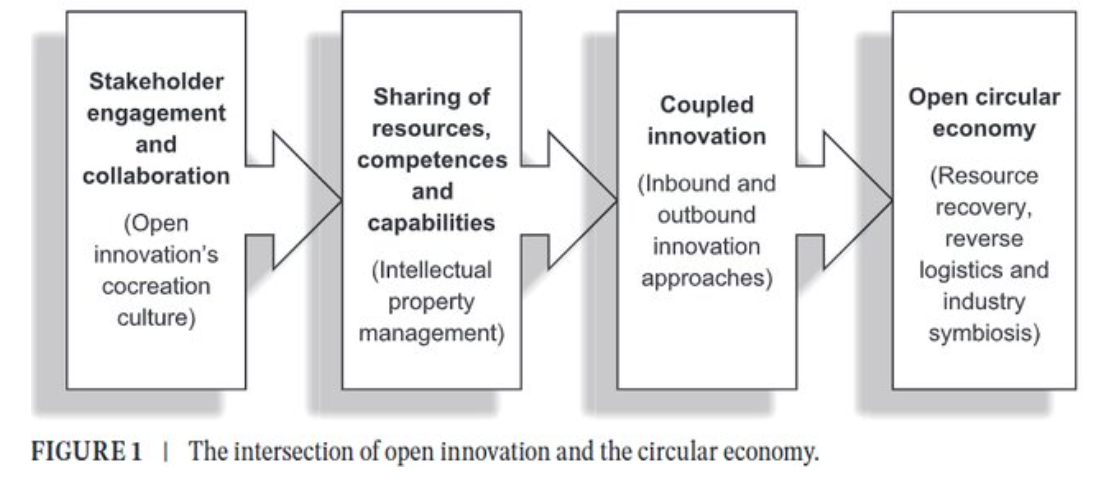


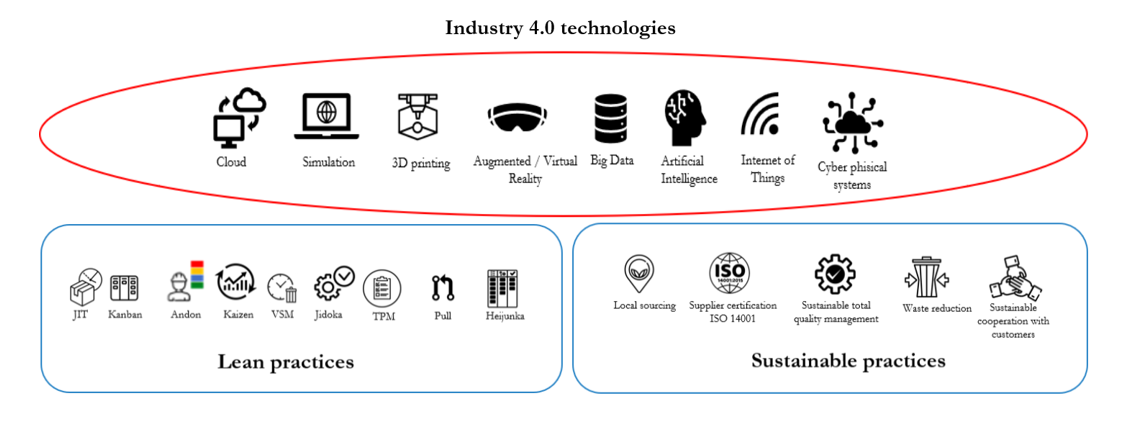
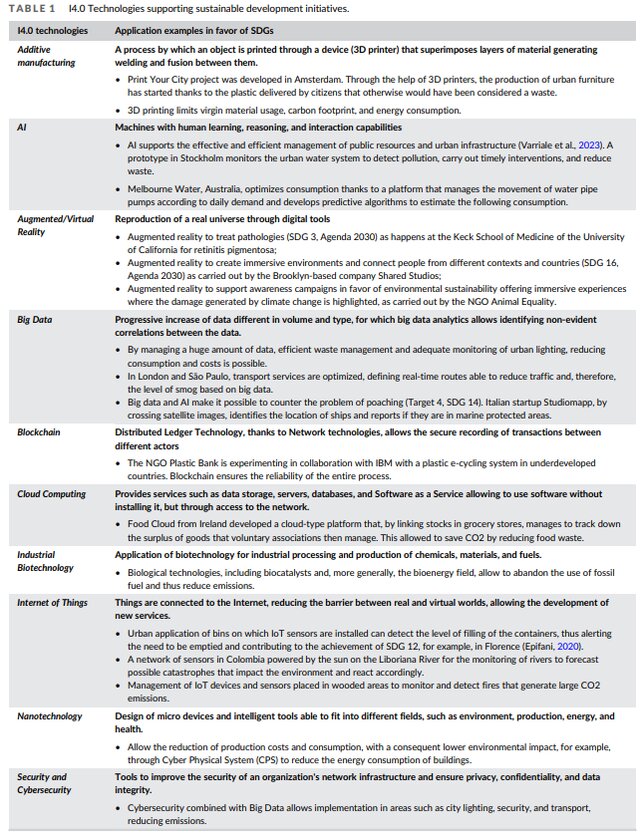

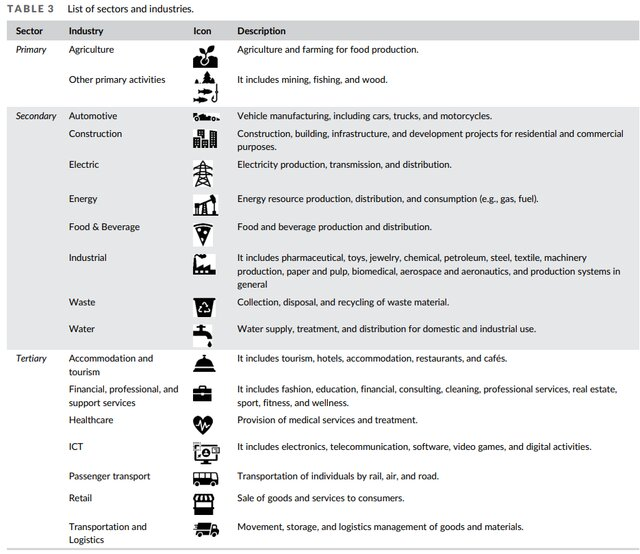
 Substantia Mea
You must be logged in to post a comment.