Open innovation involves a high degree of trust and belief among collaborating partners (Lam et al. 2021; Ogink et al. 2023). This notion suggests that companies benefit from the knowledge and capabilities of a wide array of stakeholders, including of their human resources, as well of external participants (Lippolis et al. 2023; Luan and Wang 2024). Practitioners may avail themselves of expert individuals and organizations who are not members of staff in their organization. Hence, they could collaborate with other businesses, enterprises, and startups as well as with institutions like universities to achieve their organizations’ objectives (Cappellaro et al. 2019). Various commentators noted that stakeholder engagement could lead to win-win outcomes for all parties involved in open innovation partnerships (Camilleri et al. 2023; Diriker et al. 2023; Kim et al. 2024). Very often, they confirmed that when practitioners worked in tandem with external stakeholders’ practitioners, they were in a better position to improve their operational performance, in terms of incremental and radical innovations, as opposed to when they were on their own (Radicic and Alkaraan 2024).
Several researchers indicated that businesses could increase their competitive advantage and enhance their research and development (R&D) capabilities when they forge collaborative agreements with consultants, disruptive startups, agile companies, reliable suppliers, and excellent universities with cutting-edge facilities as well as with their talented researchers (Beck et al. 2023; Chen 2018). This is in stark contrast with secretive, closed-innovation mentalities characterized when organizations withhold knowledge and ideas generated by their own intellectual capital and internal resources (Barbic et al. 2021; Yoshino et al. 2023). In this case, firms are very careful not to leak insider information to external stakeholders.
Elements of open innovation
Generally, open innovation ecosystems comprise (i) intellectual property management (Ahlfänger et al. 2022; Fu et al. 2022; Greco et al. 2022; Grimaldi et al. 2021; Jesus et al. 2024; Naveed et al. 2020; Oke 2023), (ii) open innovation culture and governance (Avnimelech and Amit 2024; Lippolis et al. 2023), (iii) inbound innovation (outside-in innovation) (Barjak and Heimsch 2023; Cappellaro et al. 2019; Pilav-Velic and Jahic 2022), (iv) outbound innovation (inside-out innovation) (de Andrés-Sánchez et al. 2022; Remneland Wikhamn and Styhre 2019), (v) coupled innovation (cocreation) (Cammarano et al. 2022), (vi) open innovation intermediaries (Caloffi et al. 2023), and (vii) corporate innovation hubs (Amann et al. 2022; Corvello et al. 2023). Practitioners may avail themselves of open innovation systems to access diverse ideas, resources, and capabilities from their own human resources’ talent pool, and more importantly, from knowledgeable external sources. Table 1 sheds light on the most popular open innovation concepts and provides their definitions.
(Source: Camilleri, 2025)
Suggested citation: Camilleri, M. A. (2025). Cocreating value through open circular innovation strategies: a results‐driven work plan and future research avenues. Business Strategy and the Environment, 34(4), 4561-4580.
This is an excerpt from one of my latest sole-authored articles.
Suggested citation: Camilleri, M.A. (2025). Cocreating Value through Open Circular Innovation Strategies: A Results-Driven Work Plan and Future Research Avenues, Business Strategy and the Environment, https://doi.org/10.1002/bse.4216
This research raises awareness of practitioners’ crowdsourcing initiatives and collaborative approaches, such as sharing ideas and resources with external partners, expert consultants, marketplace stakeholders (like suppliers and customers), university institutions, research centers, and even competitors, as the latter can help them develop innovation labs and to foster industrial symbiosis (Calabrese et al. 2024; Sundar et al. 2023; Triguero et al. 2022). It reported that open innovation networks would enable them to work in tandem with other entities to extend the life of products and their components. It also indicated how and where circular open innovations would facilitate the sharing of unwanted materials and resources that can be reused, repaired, restored, refurbished, or recycled through resource recovery systems and reverse logistics approaches. In addition, it postulates that circular economy practitioners could differentiate their business models by offering product-service systems, sharing economies, and/or leasing models to increase resource efficiencies and to minimize waste.
Arguably, the cocreation of open innovations can contribute to improve the financial performance of practitioners as well as of their partners who are supporting them in fostering closed-loop systems and sharing economy practices. They enable businesses and their stakeholders to minimize externalities like waste and pollution that can ultimately impact the long-term viability of our planet. Figure 1 presents a conceptual framework that clarifies how open innovation cocreation approaches can be utilized to advance circular, closed-loop models while adding value to the businesses’ financial performance.
Figure 1. The intersection of open innovation and the circular economy.
The collaborative efforts between organizations, individuals, and various stakeholders can lead to sustainable innovations, including to the advancement of circular economy models (Jesus and Jugend 2023; Tumuyu et al. 2024). Such practices are not without their own inherent challenges and pitfalls. For example, resource sharing, the recovery of waste and by-products from other organizations, and industrial symbiosis involve close partnership agreements among firms and their collaborators, as they strive in their endeavors to optimize resource use and to minimize waste (Battistella and Pessot 2024; Eisenreich et al. 2021). While the open innovation strategies that are mentioned in this article can lead to significant efficiency gains and to waste reductions, practitioners may encounter several difficulties and hurdles, to implement the required changes (Phonthanukitithaworn et al. 2024). Different entities will have their own organizational culture, strategic goals, and modus operandi that may result in coordination challenges among stakeholders.
Organizations may become overly reliant on sharing resources or on their symbiotic relationships, leading to vulnerabilities related to stakeholder dependencies (Battistella and Pessot 2024). For instance, if one partner experiences disruptions, such as operational issues or financial difficulties, it can adversely affect the feasibility of the entire network. Notwithstanding, organizations are usually expected to share information and resources when they are involved in corporate innovation hubs and clusters. Their openness can lead to concerns about knowledge leakages and intellectual property theft, which may deter companies from fully engaging in resource-sharing initiatives, as they pursue outbound innovation approaches.
Other challenges may arise from resource recovery, reverse logistics, and product-life extension strategies (Johnstone 2024). The implementation of reverse logistics systems can be costly, especially for small and micro enterprises. The costs associated with the collection, sorting, and processing of returned products and components may outweigh the benefits, particularly if the market for recovered materials is not well established (Panza et al. 2022; Sgambaro et al. 2024). Moreover, the effectiveness of resource recovery methodologies and of product-life extension strategies would be highly dependent on the stakeholders’ willingness to return products or to participate in recycling programs. Circular economy practitioners may have to invest in promotional campaigns to educate their stakeholders about sustainable behaviors. There may be instances where existing recovery and recycling technologies are not sufficiently advanced or widely available, in certain contexts, thereby posing significant barriers to the effective implementation of open circular innovations. Notwithstanding, there may be responsible practitioners and sustainability champions that may struggle to find reliable partners with appropriate technological solutions that could help them close the loop of their circular economy.
In some scenarios, emerging circular economy enthusiasts may be eager to shift from traditional product sales models to innovative product-service systems. Yet, such budding practitioners can face operational challenges in their transitions to such circular business models. They may have to change certain business processes, reformulate supply chains, and also redefine their customer relationships, to foster compliance with their modus operandi. These dynamic aspects can be time-consuming, costly, and resource intensive (Eisenreich et al. 2021). For instance, the customers who are accustomed to owning tangible assets may resist shifting to a product-service system model. Their reluctance to accept the service providers’ revised terms and conditions can hinder the adoption of circular economy practices. The former may struggle to convince their consumers to change their status quo, by accessing products as a service, rather than owning them (Sgambaro et al. 2024). In addition, the practitioners adopting products-as-a-service systems may find it difficult to quantify their performance outcomes related to resource savings and customer satisfaction levels and to evaluate the success of their product-service models, accurately, due to a lack of established metrics.
In a similar vein, the customers of sharing economies and leasing systems ought to trust the quality standards and safety features of the products and services they use (Sergianni et al. 2024). Any negative incidents reported through previous consumers’ testimonials and reviews can undermine the prospective customers’ confidence in the service provider or in the manufacturer who produced the product in the first place. Notwithstanding, several sharing economy models rely on community participation and localized networks, which can pose possible challenges for scalability. As businesses seek to expand their operations, it may prove hard for them to consistently maintain the same level of trust and quality in their service delivery. Moreover, many commentators argue that the rapid growth of sharing economies often outpaces existing regulatory frameworks. The lack of regulations, in certain jurisdictions, in this regard, can create uncertainties and gray areas for businesses as well as for their consumers.
This blog post is an excerpt from my latest open-access article on the intersection of open innovation and the circular economy.
Suggested citation: Camilleri, M.A. (2025). Cocreating Value Through Open Circular Innovation Strategies: A Results-Driven Work Plan and Future Research Avenues, Business Strategy and the Environment, https://doi.org/10.1002/bse.4216
The stakeholders’ open innovation approaches are evidenced through collaborative practices across value chains, as practitioners are willing to share ideas and technologies with “new” partners to advance disruptive sustainable innovations (Battistella and Pessot 2024; Bocken and Ritala 2022; Brown et al. 2020). Inbound innovation practitioners can benefit from external stakeholders’ knowledge and expertise to implement product-life extension strategies and resource recovery methods and to cocreate circular economy ecosystems including industrial symbiosis, reverse logistics, product-service systems/product-as-a-service, sharing economy, and leasing models (Köhler et al. 2022; Lisi et al. 2024).
Resource Recovery and Industrial Symbiosis
Open innovation practitioners would benefit from external competences, capabilities, and technologies from stakeholders who are not in the company’s books. Their ongoing engagement and collaboration with them may help them improve their operations as they acquire resources such as human capital, materials, energy, water, and by-products, among others. Resource sharing can help the businesses to optimize manufacturing processes, to minimize waste, and to create a more sustainable and efficient industrial ecosystem (Johnstone 2024).
Practitioners may even benefit from other businesses’ externalities including by-products or unwanted waste materials and could utilize them as resources. They can leverage open innovation approaches to address resource scarcity (and resource depletion) by finding new ways to repurpose waste. They may do so by reducing material inputs and by recycling valuable resources (Berkemeier et al. 2024). For example, the heat generated from a power plant could be used to heat buildings or greenhouses located in nearby communities. Industries situated close to each other may share utilities including energy and water supply infrastructure or services, such as transportation, water treatment facilities, or waste management services. Their resource recovery can result in cost saving and operational efficiencies (Johnstone 2024).
Cross-industry collaboration and industrial symbiosis can help companies to discover new uses of waste streams to develop circular supply chains. There is scope for business leaders to engage with external stakeholders, to exchange or sell discarded resources, and by-products that would otherwise end up as waste. Arguably, one company’s waste, materials and by-products can serve as resources for others. The sharing of resources among organizations can significantly enhance the practitioners’ capabilities, as partners can work in tandem on sustainability initiatives and innovation projects to achieve circular economy outcomes. The stakeholders’ pooling of surplus resources can lower the manufacturing costs for collaborating partners, as they allow them to access tools and materials at lower market prices.
The case of Kalundborg, Denmark, typifies such open innovation approaches (CEStakeholderEU n.d.; Valenzuela-Venegas et al. 2016). A power plant (located at Asnæs), a Novo Nordisk (a pharmaceutical company), and an oil refinery (belonging to Equinor, formerly known as Statoil), among other organizations, are working together in industrial symbiosis. In sum, these entities have created a network that optimizes materials from waste or by-products and are turning them into valuable resources. Their aim is to lower their costs while minimizing their environmental impact.
Kalundborg started as an informal exchange of waste materials between industries that are situated in close proximity to one another. For example, the excess heat from the power plant is used by Novo Nordisk for production processes, and to heat local homes. In addition, surplus water from the oil refinery is used by a local fish farm. Over the years, this collaboration has grown into a large-scale, highly efficient system, where waste from one process becomes a resource for another. Such symbiosis has significantly reduced waste, emissions, and water consumption, thereby contributing to environmental and economic sustainability.
Similarly, the municipality of Amsterdam is collaborating with a nonprofit organization, entitled, “Circle Economy.” Together, they have developed a strategic plan whose objectives are to turn Amsterdam into a fully circular city by 2050 (Calisto Friant et al. 2021; CEStakeholderEU 2016; Government.nl 2016). This initiative involves the transformation of various sectors, such as construction, energy, and waste management, among others, to adapt the city to operate closed-loop systems. Collaborative projects comprise the reutilization of materials from demolished buildings to reduce waste generated from the construction industry, the promotion of business models like “product as a service” that encourage the leasing of assets rather than owning them, the development of shared mobility solutions, and the reduction of food waste, among others (Camilleri 2021; Camilleri 2025). These circular economy practices can contribute to reducing resource utilization, consumption, and depletion of materials.
Resource Recovery, Reverse Logistics, and Product-Life Extension Strategies
Practitioners can collaborate with external partners to extend the life of certain products and/or of their components. They can help each other to recover materials from used and unwanted items, including from waste, in order to reuse, refurbish, recycle, and remanufacture resources to promote sustainable supply chains (Hadi 2024). The resource recovery procedures focus on reclaiming discarded products and their component materials to reuse them as inputs for new production processes (Brown et al. 2020). Similarly, reverse logistics approaches are intended to support the collection and transportation of waste items, like plastics, metal, and electronics, among others (Pichlak and Szromek 2022). For example, returned electronics can be refurbished, remanufactured for further use, and resold. Such operational processes facilitate the flow of products in the opposite direction of traditional supply chains, as they involve returning, repairing, restoring, and recycling materials for a specific manufacturer, or for designated facilities.
The utilized materials that could have finished in a landfill can be repurposed as plausible resources in industrial production (Lisi et al. 2024). Likewise, the products collected through reverse logistics can also be refurbished or remanufactured. This form of resource recovery extends the life of products and reduces the need for new raw materials (Phonthanukitithaworn et al. 2024). There are instances where materials like organic waste, used oils, or even heat could be captured and utilized in waste-to-energy processes, and for resource extraction purposes, instead of being disposed of, in the natural environment (Ahmad et al. 2024; Liu et al. 2023). Therefore, external stakeholders could help sustainability champions in the recovery of resources, or to increase product longevity, and the lifecycles of extant products and/or of their component materials, while reducing material consumption (Panza et al. 2022; Sgambaro et al. 2024). As a result, the responsible manufacturers would be in a position to develop sustainable products that are durable, repairable, recyclable, and/or biodegradable.
For example, retail brands, including H&M, among others have teamed up with Ellen MacArthur Foundation as well as with philanthropists, nongovernmental organizations (NGOs), and disruptive innovators, to design a “new textiles economy” known as Circular Fibres Initiative (Ellen MacArthur Foundation 2021a; UNEP 2023). One of its objectives is to develop materials including sustainable fibers in order to improve their end-of-life processing. As a result, clothing and apparel materials could last longer, be worn multiple times, and may be easily rented, resold, or recycled. This collaboration set the foundation for H&M’s efforts to collect and recycle used clothing through their in-store garment collection programs. Similarly, Nike has launched a Circular Innovation Challenge (Di Summa 2023). Like H&M, it invited innovators from around the world to propose ideas for new sustainability materials, design processes, and end-of-life solutions for shoes, to transform the future of footwear. Evidently, Nike’s goal was to reduce waste by creating closed-loop products that are recycled or reused at the end of their lifecycle. One of the major outcomes of their challenge was the development of shoes made from recycled materials, including from factory waste and recycled plastics.
Like Nike, Adidas partnered with Parley for the Oceans, an environmental organization, as well as with material innovators and recycling experts, to address a growing consumer demand for eco-friendly and sustainable footwear, without compromising on performance or quality (Murfree and Police 2022). This collaboration is aimed at developing shoes made from recycled ocean plastics, thereby contributing to a circular product lifecycle. As a result, the company’s Parley line of shoes, which was/is made from ocean plastics, has quickly become a global success, with millions of pairs sold since its launch. Other apparel brands, including Patagonia, REI, and Eileen Fisher, have joined forces with Yerdle, a technology company that provides logistics capabilities to buy back and resell their used items (Agrawal et al. 2019; Forbes 2019). By taking advantage of resale, brands take control of the growing secondary retail market. Such sustainable recovery practices provide them with an opportunity to extend the life of their existing products. Hence, they are in a position to reduce the generation of unwanted materials that end up in landfills. At the same time, they promote responsible consumption behaviors among consumers, and increase their profits, by selling refurbished items.
Alternatively, for-profit businesses may collaborate with other organizations, including with competitors, to reduce waste related to single-use packaging, that could inevitably end up in landfills, and/or in our oceans. TerraCycle, a United States–based company specializing in recycling hard-to-recycle materials, is a case in point, of such organizations, as its “Loop” platform aims to reduce single-use packaging, by offering consumers reusable, refillable containers for everyday products (Conick 2019; WEF 2023). Launched in 2019, Loop represents a major step toward implementing circular economy principles. It is intended to eliminate waste from disposable packaging through a “return and reuse” system. For the record, Terracycle entered into a partnership with multinational brands like Nestlé, Unilever, and Procter & Gamble, among other retailers Consumers can purchase these brands’ products through Loop’s platform, and when finished, they can return their empty packages for cleaning and reuse. The partnerships among these big brands has dramatically reduced the need for single-use plastic packaging. As a result, a number of companies have been able to extend the lifecycle of their packaging materials, while offering consumers a more sustainable alternative to traditional packaging. The Loop model has expanded to major retailers like Carrefour in Europe and Walgreens in the United States, among others, demonstrating that open innovation efforts across different sectors can scale circular practices globally (WEF 2025).
For instance, there is scope for businesses to collaborate with research institutions as well as with NGOs, to develop open innovation solutions that are intended to reduce waste and pollution that are damaging the natural environment and the biosphere (Pichlak and Szromek 2022). For instance, Interface (a flooring company) and the Zoological Society of London have launched the Net-Works Program (Luqmani et al. 2017; ZSL 2025). Essentially, this program involves the utilization of discarded fishing nets and their recycling into nylon yarn, to develop sustainable carpets. Net-Works is designed to tackle the growing environmental problem of discarded fishing nets in some of the globe’s poorest coastal communities, including those in the Philippines and Cameroon, among others. This program is aimed at reducing pollution in the oceans, as plastic materials can be ingested by marine animals and/or destroy their habitat. It raises awareness on the use of dangerous resources that are polluting the world’s natural environment. Moreover, it offers economic opportunities for the governments of developing countries, as they enable them to provide new sources of income for local communities. Through such sustainable initiatives, Interface has integrated a circular economy approach into its supply chain. It created a model that combines environmental conservation with social impact.
In a similar vein, Unilever, one of the world’s largest consumer goods companies, is collaborating with external innovators, research institutions and startups to address the challenge of plastic waste. In short, this multinational business indicated that it is seeking external ideas to reduce plastic waste, to use better plastic that is designed to be recycled, and/or to avoid using plastic by switching to alternative materials (Arijeniwa et al. 2024; Phelan et al. 2022). Unilever’s engagement with external partners has helped the organization to utilize responsible material designs, sustainable packaging, and recycling technologies that align with circular economy principles. For example, one of the key success factors of Unilever’s open innovation initiative was the development of a fully recyclable plastic detergent bottle that is made from 100% recycled materials. Additionally, this multinational organization continuously raises awareness about its reuse and refill stations for personal care products, in various supermarkets, in different contexts around the globe, thereby reducing the need for single-use packaging. The diverse ideas sourced through external partners are significantly contributing to minimizing the use of virgin plastics by its distributors in the value chains, as well as by their consumers.
Likewise, Proctor & Gamble (P&G) collaborates with external scientists, startups, research institutions, and industry partners in its Connect + Develop program that is intended to develop sustainable products and solutions (Huston and Sakkab 2006). This laudable program seeks external ideas related to sustainable packaging and product designs that are congruent with the company’s circular economy goals. Since its inception, P&G has developed new packaging materials that are easier to recycle, such as its clear, recyclable plastic for shampoo bottles. The company has also introduced concentrated product formulations that reduce packaging waste and shipping emissions. P&G’s open innovation model allowed the company to access diverse ideas and to rapidly implement responsible and sustainable solutions that align with its circular economy vision.
Another good example of circular economy practices is clearly illustrated when organizations leverage open innovation approaches to adopt waste-to-resource technologies to accelerate their transition to a zero-waste economy. A number of manufacturing firms including automotive businesses are already recovering materials and reutilizing resources from used vehicles at their end-of-life. Renault, one of Europe’s largest car makers, has teamed up with Veolia, a global environmental services company and Solvay, a global chemical and advanced materials company, to develop closed-loop recycled resources for automotive parts (Ellen MacArthur Foundation 2021b; Muller et al. 2021). These companies collaborate to utilize end-of-life vehicles to recover metals, plastics and other materials from them, as they are no longer in use. This allows Renault to operate its business sustainably, as the French car maker incorporates recycled materials in its new automobiles. The automotive company’s manufacturing plant in Flins, France, became a leading facility in Europe for vehicle disassembly and material recovery, thereby contributing to the circular economy agenda.
Product-Service Systems/Product-as-a-Service
Other manufacturing practitioners operating in different industries are adopting product-service systems that are also known as product-as-a-service business models. Such circular economy approaches involve companies offering products in combination with services (Sgambaro et al. 2024). The businesses offering product-service systems emphasize about the value derived from accessing and utilizing their maintained products rather than owning them. This economic model clearly specifies that customers do not have to purchase the products they use. Hence, consumers would benefit from utilizing the products and from its performance. Frequently, the practitioners operating business models that are very similar to leasing systems would provide additional services including maintenance, upgrades, and training, among others, along with their products, to add value to customers. As the service providers would usually retain the ownership of their products, it is in their interest to design them as efficient as possible, as they are meant to serve their purpose for a long time, without the need for regular maintenance (Chen 2018). Preferably, they should be designed in a very sustainable manner. Their components ought to be easily recyclable, and preferably modular and lightweight, to increase their likelihood of offering extended product lifespans.
A case in point is Signify (that was formerly known as Philips Lighting). Currently, the Dutch multinational conglomerate is collaborating with various municipalities and businesses (Bocken 2021; Camilleri 2019). The company is adopting a product-service system strategy, as it provides lighting systems as a service to its clients including to municipalities and to businesses, rather than merely selling light bulbs. This enables Signify to retain ownership of its equipment, to maintain its infrastructure as well as to upgrade and recycle its products at their end-of-life. In plain words, its customers will be only expected to pay for the light they use.
Arguably, this business model is clearly promoting the circular economy. It encourages the manufacturers and/or service providers to use efficient materials, as well as to increase the recycling of resources and materials. Hence, they will be in a better position to reduce their waste.
Sharing Economies and Leasing Systems
There are other sustainable business models that are related to product-service systems (Sergianni et al. 2024). In this case, their payment structure is typically based on subscription models, leases, and/or may involve pay-per-use arrangements. Customers including individuals and organizations, such as institutions, businesses, and NGOs, will be expected to pay for the duration of the service(s) they receive, or to pay the amount of the products they consume. Like the product-service systems (that were mentioned in the previous section), such circular economy models are shifting the focus from ownership to access (Eisenreich et al. 2021).
Such sustainable propositions can extend product lifecycles, reduce the generation of waste, and encourage resource-efficient practices. The proprietors who lease their assets are responsible for their ongoing maintenance and repairs. Hence, it is in their interest to design and develop high-quality, durable items and components that are easy to replace, refurbish, recycle, and repair. If they do so, they would require fewer raw materials, minimize their reliance on new resources, and also decrease their waste output.
The partnership between FROG Bikes (a manufacturer of children’s bikes) and Bike Club (a subscription service for bikes) represents a good example of open innovation practices, as the two businesses joined forces to lease bikes for families, and to exchange bikes as children outgrow them (Eurofound 2018). Essentially, Frog Bikes maintains, refurbishes, and reuses its bikes with new customers, once existing consumers need to upgrade to bigger ones. They strive in their endeavors to maximize the use of their resources. In reality, such a sharing economy initiative has extended the life of the bikes and has significantly reduced the likelihood that they end up in landfills when kids outgrow them. Indeed, the Bike Club’s leasing model is promoting a circular approach by prioritizing maintenance, reuse, and resource efficiency, over ownership and disposal.
Similarly, Floow2, a Dutch business-to-business sharing platform, collaborates with hospitals, construction companies, and other firms to share underutilized equipment, vehicles, and office spaces (Ellen MacArthur Foundation 2021c). This sharing economy company invites businesses from various industry sectors, including healthcare and construction, among others, to list their idle assets (that can be rented). Floow2 facilitates the sharing economy of high-cost resources such as medical equipment and/or construction tools. Its platform enables its customers (including hospitality, clinics, healthcare centers, and construction companies, among others) to optimize their operations, by utilizing leased technologies and systems, without the need to purchase them. This sharing economy approach reduces unnecessary investments in new equipment, minimizes waste, and improves resource efficiencies across multiple sectors.
Discussion
This research raises awareness of practitioners’ crowdsourcing initiatives and collaborative approaches, such as sharing ideas and resources with external partners, expert consultants, marketplace stakeholders (like suppliers and customers), university institutions, research centers, and even competitors, as the latter can help them develop innovation labs and to foster industrial symbiosis (Calabrese et al. 2024; Sundar et al. 2023; Triguero et al. 2022). It reported that open innovation networks would enable them to work in tandem with other entities to extend the life of products and their components. It also indicated how and where circular open innovations would facilitate the sharing of unwanted materials and resources that can be reused, repaired, restored, refurbished, or recycled through resource recovery systems and reverse logistics approaches. In addition, it postulates that circular economy practitioners could differentiate their business models by offering product-service systems, sharing economies, and/or leasing models to increase resource efficiencies and to minimize waste.
Arguably, the cocreation of open innovations can contribute to improve the financial performance of practitioners as well as of their partners who are supporting them in fostering closed-loop systems and sharing economy practices. They enable businesses and their stakeholders to minimize externalities like waste and pollution that can ultimately impact the long-term viability of our planet. Figure 1 presents a conceptual framework that clarifies how open innovation cocreation approaches can be utilized to advance circular, closed-loop models while adding value to the businesses’ financial performance.
The collaborative efforts between organizations, individuals, and various stakeholders can lead to sustainable innovations, including to the advancement of circular economy models (Jesus and Jugend 2023; Tumuyu et al. 2024). Such practices are not without their own inherent challenges and pitfalls. For example, resource sharing, the recovery of waste and by-products from other organizations, and industrial symbiosis involve close partnership agreements among firms and their collaborators, as they strive in their endeavors to optimize resource use and to minimize waste (Battistella and Pessot 2024; Eisenreich et al. 2021). While the open innovation strategies that are mentioned in this article can lead to significant efficiency gains and to waste reductions, practitioners may encounter several difficulties and hurdles, to implement the required changes (Phonthanukitithaworn et al. 2024). Different entities will have their own organizational culture, strategic goals, and modus operandi that may result in coordination challenges among stakeholders.
Organizations may become overly reliant on sharing resources or on their symbiotic relationships, leading to vulnerabilities related to stakeholder dependencies (Battistella and Pessot 2024). For instance, if one partner experiences disruptions, such as operational issues or financial difficulties, it can adversely affect the feasibility of the entire network. Notwithstanding, organizations are usually expected to share information and resources when they are involved in corporate innovation hubs and clusters. Their openness can lead to concerns about knowledge leakages and intellectual property theft, which may deter companies from fully engaging in resource-sharing initiatives, as they pursue outbound innovation approaches.
Other challenges may arise from resource recovery, reverse logistics, and product-life extension strategies (Johnstone 2024). The implementation of reverse logistics systems can be costly, especially for small and micro enterprises. The costs associated with the collection, sorting, and processing of returned products and components may outweigh the benefits, particularly if the market for recovered materials is not well established (Panza et al. 2022; Sgambaro et al. 2024). Moreover, the effectiveness of resource recovery methodologies and of product-life extension strategies would be highly dependent on the stakeholders’ willingness to return products or to participate in recycling programs. Circular economy practitioners may have to invest in promotional campaigns to educate their stakeholders about sustainable behaviors. There may be instances where existing recovery and recycling technologies are not sufficiently advanced or widely available, in certain contexts, thereby posing significant barriers to the effective implementation of open circular innovations. Notwithstanding, there may be responsible practitioners and sustainability champions that may struggle to find reliable partners with appropriate technological solutions that could help them close the loop of their circular economy.
In some scenarios, emerging circular economy enthusiasts may be eager to shift from traditional product sales models to innovative product-service systems. Yet, such budding practitioners can face operational challenges in their transitions to such circular business models. They may have to change certain business processes, reformulate supply chains, and also redefine their customer relationships, to foster compliance with their modus operandi. These dynamic aspects can be time-consuming, costly, and resource intensive (Eisenreich et al. 2021). For instance, the customers who are accustomed to owning tangible assets may resist shifting to a product-service system model. Their reluctance to accept the service providers’ revised terms and conditions can hinder the adoption of circular economy practices. The former may struggle to convince their consumers to change their status quo, by accessing products as a service, rather than owning them (Sgambaro et al. 2024). In addition, the practitioners adopting products-as-a-service systems may find it difficult to quantify their performance outcomes related to resource savings and customer satisfaction levels and to evaluate the success of their product-service models, accurately, due to a lack of established metrics.
In a similar vein, the customers of sharing economies and leasing systems ought to trust the quality standards and safety features of the products and services they use (Sergianni et al. 2024). Any negative incidents reported through previous consumers’ testimonials and reviews can undermine the prospective customers’ confidence in the service provider or in the manufacturer who produced the product in the first place. Notwithstanding, several sharing economy models rely on community participation and localized networks, which can pose possible challenges for scalability. As businesses seek to expand their operations, it may prove hard for them to consistently maintain the same level of trust and quality in their service delivery. Moreover, many commentators argue that the rapid growth of sharing economies often outpaces existing regulatory frameworks. The lack of regulations, in certain jurisdictions, in this regard, can create uncertainties and gray areas for businesses as well as for their consumers.
This is an excerpt from one of my latest articles, published through Business Ethics, the Environment and Responsbility.
Suggested citation: Galeotti, R. M., Camilleri, M. A., Roberto, F., & Sepe, F. (2023). Stakeholder engagement disclosures in sustainability reports: Evidence from Italian food companies. Business Ethics, the Environment & Responsibility, Ahead-of-print, 1–20, https://doi.org/10.1111/beer.12642
Abstract
More businesses are embedding stakeholder engagement (SE) practices in their corporate disclosures. This article explores the extent to which SE practices are featured in the sustainability reports (SRs) of 48 Italian food and beverage businesses, following the latest Global Reporting Initiative (GRI) standards. The researchers analyze the content of their SRs dated 2020 and 2021. They utilize a panel regression technique to examine the relationship between stakeholder engagement disclosures (SED) and corporate financial performance (CFP), and to investigate the mediating role of SR assurance. The results show a positive and significant relationship between SED and CFP. They also confirm that there is a moderating effect from SR assurance on this causal path. However, the findings reveal that SED in SRs of Italian food companies is still moderate. This contribution builds on the logic behind the stakeholder theory. It implies that there is scope for food companies to forge relationships with stakeholders. It indicates that it is in their interest to disclose material information about their SE practices in their SR and to organize third party assurance assessments in order to improve their legitimacy with stakeholders.
1 INTRODUCTION
The sustainability agenda has gained significant attention within the global food sector (Rueda et al., 2017), and it is becoming a growing concern among stakeholders (Al Hawaj & Buallay, 2022). The food industry is heavily reliant on natural and technological resources such as water, energy, chemicals, and fossil fuels, and therefore, has a substantial impact on the environment and the society (Buallay, 2020; Camilleri, 2021; Ramos et al., 2020). The actions of food manufacturers and retailers can significantly affect the health of individuals. Their ability to choose, process, package, transport, and promote sustainable food could have an impact on what people consume and on their overall well-being. As they interact directly with consumers, they are subject to intense scrutiny and requests for transparency. Stakeholders, including governmental institutions, consumers, and the global community, have called upon food companies to adopt more sustainable practices and to pay more attention to food sustainability (Friedrich et al., 2012; Troise et al., 2021). Very often, they are raising awareness about value creation opportunities to persuade them to engage in responsible production and consumption behaviors (Attanasio et al., 2021), and to forge relationships with marketplace stakeholders (Camilleri, 2020).
The interactions between firms and their external environment constitute a vital characteristic of a sustainable business model, owing to the unique value stream that stakeholder engagement (SE) can offer. In this context, sustainability disclosures can act as a catalyst to foster trust, enhance procedures and systems, promote the firm’s vision and strategy, decrease compliance expenses, and generate competitive advantages (Cardoni et al., 2022). Companies operating in the food sector are principally challenged in their efforts to deliver Sustainability Reports (SRs) that provide useful information to both internal and external stakeholders (D’Adamo, 2022). Research examining the role of sustainability reporting in enhancing firm performance in this sector is limited. Some studies suggest a positive relationship between strong sustainability reporting and return on assets (ROA) (Al Hawaj & Buallay, 2022), increased sales (Sen & Bhattacharya, 2001) or reduced cost of capital (Garzón-Jiménez & Zorio-Grima, 2022).
Given the complexity of the food sector, which is a typical multistakeholder context (Al Hawaj & Buallay, 2022), it is particularly relevant for food companies to ensure that their SRs provide accurate and thorough disclosures of their SE practices. SE is a complex and distinct activity that has emerged in the preparation of SRs (Greenwood, 2007) and it is crucial to reflect on the way it is conducted (Petruzzelli & Badia, 2023). The reporting entities cannot ignore their stakeholders’ relationships from their corporate disclosures. If they conceal any material information on this matter from their SR, they risk damaging their reputation and image (Ardiana, 2019; De Micco et al., 2021; Manetti, 2011; Miles & Ringham, 2020).
Academic research on SE is an evolving area of investigation due to the increasing scientific and professional interest in sustainability reporting issues (Camilleri, 2015; Stocker et al., 2020). Prior studies have indicated that many companies fail to provide complete disclosures of SE processes (Moratis & Brandt, 2017), and show an inadequate level of SE procedures (Petruzzelli & Badia, 2023; Venturelli et al., 2018). However, despite the significance of this subject, the number of empirical academic contributions on SE remains limited, making it important to further explore this topic. In such a context, several scholars are calling for further studies that seek to investigate how, why, where, and when firms are engaging with stakeholders. In addition, they are encouraging them to explore whether they are disclosing the details about their stakeholder relationships in their SRs (Gagné et al., 2022; Gao & Zhang, 2006; Hörisch et al., 2015).
The purpose of this article is twofold. The first one is to investigate the extent to which SE is featured in the SRs of 48 Italian unlisted food companies (that were relying on GRI’s new standards in the period 2020–2021), with the objective to verify their focus on SE disclosures (SED) process. The authors examine their SR’s content, in terms of the report preparers’ motivations and methods. They also verify whether they indicated specific stakeholders in their disclosures. This paper raises awareness on the role of SE in the sustainability reporting of food companies. It clarifies how and to what extent food companies are communicating directly with stakeholders, gathering feedback from them, and how explicitly they are involving them in the SR process. To this aim, the researchers developed an SE index composed of 7 categories and 21 items derived from prior literature on the topic and adapted from the latest Global Reporting Initiative (GRI) standards. The proposed index provides a systematic approach to examining the SE practices and activities disclosed by sample firms. Content analysis (a binary coding system) of GRI SRs was carried out to calculate the overall SED score. The second goal of this contribution is to investigate the relationship between SED and corporate financial performance (CFP). In addition, this research analyzes the moderating effects of SR assurance on SED-CFP causal link. Hence, this contribution addresses the following research questions:
RQ1: What is the state and extent of SED in the SRs of food companies?
RQ2: Is there a relationship between SED in SRs and CFP in the food industry? If there is, how and to what extent, is this relationship mediated by SR assurance?
This research explores the above-mentioned questions and provides insights on the SE processes of Italian Food companies. It builds on the Stakeholder Theory (ST; Freeman, 1984), as it seeks to explain whether SE processes are integrated in their SRs. The authors anticipate that the exploratory content analysis on the sample firms’ SRs indicate that the average level of SE is not significantly high in food companies in Italy, however, there is an increasing pattern of SED during the study period. While SE seems common practice, many firms are failing to provide the details on their stakeholder relationships in their SRs. The findings suggest that most of the engagement modes disclosed are unidirectional (level 1—Inform) with minimal emphasis on deep involvement strategies (level 3—Involve). Furthermore, only 32% of the sample seek assurance on the information disclosed.
Results from the panel data analysis provide evidence that there is a significant positive association between SED and CFP. Findings also show that SR assurance by accounting firms accentuates this effect. An extensive literature review suggests that this study, to the best of the authors’ knowledge, is the first to use food companies’ SRs to investigate the impact of SED on CFP introducing the interactive variable of SR third-party assurance, which adds new knowledge to SE and sustainability reporting literature from a specific industry in an advanced economy. Considering the maturity of Italian sustainability reporting and assurance practices (KPMG, 2022; Larrinaga et al., 2020) the Italian context is particularly relevant in explaining the interest of food companies into properly communicating SE activities in SRs. In these terms, this study contributes to a deeper understanding of the underexplored area of SE in a specific industry, highlighting the strategies used by Italian food companies to manage the SE communication process. Specifically, it provides insights to improve the framing of SED and gives evidence of the value relevance of SED and SR assurance for companies operating in the food sector. Therefore, this research sheds light on the advancement and enhancement of food company–stakeholder relations, particularly from the perspective of value co-creation. The findings will help managers identify key focus areas where they can improve the SED process aiming at creating shared value and foster mutually beneficial relationships with stakeholders.
The remainder of this study is structured as follows. The next section deals with the paper’s conceptual framework and hypotheses development. This is followed by the research design and methodology. Finally, the results, discussion, including recommendations, limitations, and hints for future research are presented.
Read further (this publication is available in its entirety, as it is an open-access article).
The following text was adapted from one of my latest articles that was published in Wiley’s Sustainable Development (Journal).
Suggested Citation: Camilleri, M.A. (2021). Strategic attributions of corporate social responsibility and environmental management: The business case for doing well by doing. good! Sustainable Development. https://onlinelibrary.wiley.com/doi/full/10.1002/sd.2256
Introduction
The corporate social responsibility (CSR) notion became popularized during the latter part of 20th the century (Carroll, 2021; 1999; Moon, 2007). At the time, businesses were becoming more concerned on how their activities affected legitimate stakeholders and the development of society at large (Phillips, 2003; Freeman & Reed, 1983). Hence, various authors posited that CSR is a fertile ground for theory development and empirical analysis (McWilliams, Siegel & Wright, 2006).
Without doubt, the clarification of the meaning of CSR is a significant strand in the research agenda (Owen, 2005). CSR has developed as a rather vague concept of moral good or normative behaviors (Frederick, 1986). This construct was described as a relativistic measure of ‘the economic, legal, ethical and discretionary expectations that society had of organizations at a given point of time’ (Carroll, 1979). CSR tackled ‘social problem(s)’ to engender positive ‘economic benefit(s)’ to ensure ‘well paid jobs, and … wealth’ (Drucker, 1984).
CSR has continuously been challenged by those who expected businesses to engage in socially responsible behaviors with stakeholders, to adhere to ethical norms in society, and to protect the natural environment (Camilleri, 2015; Lindgreen & Swaen, 2010; Burke & Logsdon, 1996). Previous research reported that CSR practices can result in improved relationships with different stakeholders (Camilleri, 2017a; Moon, 2007; Sen, Bhattacharya & Korschun, 2006).
Various commentators contended that it is in the businesses’ interest to engage in responsible behaviors to forge closer ties with internal and external stakeholders (Ewan & Freeman, 1993; Freeman, 1984). In addition, many researchers reported that there is a causal relationship between the firms’ stakeholder engagement and their financial performance (Henisz, Dorobantu & Nartey, 2014 Pava & Krausz, 1996). This relationship also holds in the tourism and hospitality industry context (Rhou, Singal & Koh, 2016; Camilleri, 2012; Inoue, & Lee, 2011).
Various hotels and restaurants are increasingly communicating about their responsible activities that are having an effect on their stakeholders, including their employees, patrons, guests, suppliers, local communities, the environment, regulatory authorities and the community at large (Camilleri, 2020a). Like other businesses, tourism and hospitality enterprises are always expected to provide decent employment to locals and migrant workers, health and safety in their workplace environments, adequate compensation and recognition of all employees, ongoing training and development opportunities, work-life balance, and the like.
Various studies suggest that, in normal circumstances, when businesses engage in responsible human resources management (HRM), they will boost their employees’ morale, enhance their job satisfaction and reduce the staff turnover (Asimah, 2018). However, an unprecedented COVID-19 and its preventative measures have surely led to a significant reduction in their business activities.
The pandemic has had a devastating effect on the companies’ social metrics, including on their employees’ conditions of employment, financial remuneration and job security, among other issues (Kramer & Kramer, 2020). It has inevitably led to mass redundancies or resulted in the workers’ reduced wages and salaries. On the other hand, this situation has led to a decrease in the companies’ environmental impacts, such as their greenhouse gas emissions and other unwanted externalities.
Several businesses, including hospitality enterprises are becoming more concerned about their impact on the environment (Kim, Lee & Fairhurst, 2017; Elkington, 1998). In many cases, hotels and restaurants strive to reduce their environmental footprint by offering local, fresh, and sustainable food to their patrons. Very often, they are implementing sustainable models including circular economy systems to use and reuse resources, and to minimize their waste, where possible (Camilleri, 2020b). Alternatively, they are decreasing their electricity and water consumption in their properties, by investing in green technologies and renewable energy sources.
These sustainability initiatives could result in operational efficiencies and cost savings, higher quality, innovation and competitiveness, in the long term. As a matter of fact, many studies confirmed that there is a business case for CSR, as corporations engage in socially responsible and environmentally sound behaviors, to pursue profit-making activities (Porter & Kramer, 2011; 2019; Camilleri, 2012; Carroll & Shabana, 2010; Weber, 2008). Notwithstanding, CSR and sustainable practices can help businesses to improve their reputation, to enhance their image among external stakeholders and could lead to a favorable climate of trust and cooperation with internal stakeholders (Camilleri, 2019a).
In this light, this research builds on previous theoretical underpinnings that are focused on the CSR agenda and on its related stakeholder theory. However, it differentiates itself from other contributions as it clarifies that stakeholder attributions, as well as the corporations’ ethical responsibility, responsible human resources management and environmental responsibility will add value to society and to the businesses themselves.
This contribution addresses a knowledge gap in academia. For the time being, there is no other study that effects of stakeholders’ attributions on the companies’ strategic attributions, as depicted in Figure 1. In sum, this study clarifies that there is scope for businesses to forge strong relationships with different stakeholders. It clearly indicated that their engagement with stakeholders and their responsible behaviors were leading to strategic outcomes for their business and to society at large.
Figure 1. A research model that sheds light on the factors leading to strategic outcomes of corporate responsible behaviors
(Source: Camilleri, 2021)
Implications to academia
This research model suggests that the businesses’ socially and environmentally responsible behaviors are triggered by different stakeholders. The findings evidenced that stakeholder-driven attributions were encouraging tourism and hospitality companies to engage in responsible behaviors, particularly toward their employees. The results confirmed that stakeholders were expecting these businesses to implement environmentally friendly initiatives, like recycling practices, water and energy conservation, et cetera. The findings revealed that there was a significant relationship between stakeholder attributions and the businesses’ strategic attributions to undertake responsible and sustainable initiatives.
This contribution proves that there is scope for tourism and hospitality firms to forge relationships with various stakeholders. By doing so, they will add value to their businesses, to society and the environment. The respondents clearly indicated that CSR initiatives were having an effect on marketplace stakeholders, by retaining customers and attracting new ones, thereby increasing their companies’ bottom lines.
Previous research has yielded mixed findings on the relationships between corporate social performance and their financial performance (Inoue & Lee, 2011; Kang et al., 2010; Orlitzky, Schmidt, & Rynes, 2003; McWilliams and Siegel 2001). Many contributions reported that companies did well by doing good (Camilleri, 2020a; Falck & Heblich, 2007; Porter & Kramer, 2011). The businesses’ laudable activities can help them build a positive brand image and reputation (Rhou et al., 2016). Hence, there is scope for the businesses to communicate about their CSR behaviors to their stakeholders. Their financial performance relies on the stakeholders’ awareness of their social and environmental responsibility (Camilleri, 2019a).
Arguably, the traditional schools of thought relating to CSR, including the stakeholder theory or even the legitimacy theory had primarily focused on the businesses’ stewardship principles and on their ethical or social responsibilities toward stakeholders in society (Carroll, 1999; Evan & Freeman, 1993; Freeman, 1986). In this case, this study is congruent with more recent contributions that are promoting the business case for CSR and environmentally-sound behaviors (e.g. Dmytriyev et al., 2021; Carroll, 2021; Camilleri, 2012; Carroll & Shabana 2010; Falck & Heblich, 2007).
This latter perspective is synonymous with value-based approaches, including ‘The Virtuous Circles’ (Pava & Krausz 1996), ‘The Triple Bottom Line Approach’ (Elkington 1998), ‘The Supply and Demand Theory of the Firm’ (McWilliams & Siegel 2001), ‘the Win-Win Perspective for CSR practices’ (Falck & Heblich, 2007), ‘Creating Shared Value’ (Porter & Kramer 2011), ‘Value in Business’ (Lindgreen et al., 2012), ‘The Stakeholder Approach to Maximizing Business and Social Value’ (Bhattacharya et al., 2012), ‘Value Creation through Social Strategy’ (Husted et al., 2015) and ‘Corporate Responsibility and Sustainability’ (Camilleri, 2018), among others.
In sum, the proponents of these value-based theories sustain that there is a connection between the businesses’ laudable behaviors and their growth prospects. Currently, there are still a few contributions, albeit a few exceptions, that have focused their attention on the effects of stakeholder attributions on CSR and responsible environmental practices in the tourism and hospitality context.
This research confirmed that the CSR initiatives that are directed at internal stakeholders, like human resources, and/or environmentally friendly behaviors that can affect external stakeholders, including local communities are ultimately creating new markets, improving the companies’ profitability and strengthening their competitive positioning. Therefore, today’s businesses are encouraged to engage with a wide array of stakeholders to identify their demands and expectations. This way, they will be in a position to add value to their business, to society and the environment.
Managerial Implications
The strategic attributions of responsible corporate behaviors focus on exploiting opportunities that reconcile differing stakeholder demands. This study demonstrated that tourism and hospitality employers were connecting with multiple stakeholders. The respondents confirmed that they felt that their employers’ CSR and environmentally responsible practices were resulting in shared value opportunities for society and for the businesses themselves, as they led to an increased financial performance, in the long run.
In the past, CSR was associated with corporate philanthropy, contributions-in-kind toward social and environmental causes, environmental protection, employees’ engagement in community works, volunteerism and pro-bono service among other responsible initiatives. However, in this day and age, many companies are increasingly recognizing that there is a business case for CSR. Although, discretionary spending in CSR is usually driven by different stakeholders, businesses are realizing that there are strategic attributions, in addition to stakeholder attributions, to invest in CSR and environmental management practices (Camilleri, 2017a).
This contribution confirmed that stakeholder pressures were having direct and indirect effects on the businesses’ strategic outcomes. This research clearly indicated that both internal and external stakeholders were encouraging the tourism business to invest in environmentally friendly initiatives. This finding is consistent with other theoretical underpinnings (He, He & Xu, 2018; Graci & Dodds, 2008).
Recently, more hotels and restaurants are stepping in with their commitment for sustainability issues as they comply with non-governmental organizations’ regulatory tools such as process and performance-oriented standards relating to environmental protection, corporate governance, and the like (Camilleri, 2015).
Many governments are reinforcing their rules of law and directing businesses to follow their regulations as well as ethical principles of intergovernmental institutions. Yet, certain hospitality enterprises are still not always offering appropriate conditions of employment to their workers (Camilleri, 2021; Asimah, 2018; Janta et al., 2011; Poultson, 2009). The tourism industry is characterized by its seasonality issues and its low entry, insecure jobs.
Several hotels and restaurants would usually offer short-term employment prospects to newcomers to the labor market, including school leavers, individuals with poor qualifications and immigrants, among others (Harkinson et al., 2011). Typically, they recruit employees on a part-time basis and in temporary positions to economize on their wages. Very often, their low-level workers are not affiliated with trade unions. Therefore, they are not covered by collective agreements. As a result, hotel employees may be vulnerable to modern slavery conditions, as they are expected to work for longer than usual, in unsocial hours, during late evenings, night shifts, and in the weekends.
In this case, this research proved that tourism and hospitality employees appreciated their employers’ responsible HRM initiatives including the provision of training and development opportunities, the promotion of equal opportunities when hiring and promoting employees and suitable arrangements for their health and safety. Their employers’ responsible behaviors was having a significant effect on the strategic attributions to their business.
Hence, there is more to CSR than ‘doing well by doing good’. The respondents believed that businesses could increase their profits by engaging in responsible HRM and in ethical behaviors. They indicated that their employer was successful in attracting and retaining customers. This finding suggests that the company they worked for, had high credentials among their employees. The firms’ engagement with different stakeholders can result in an improved reputation and image. They will be in a better position to create economic value for their business if they meet and exceed their stakeholders’ expectations.
In sum, the objectives of this research were threefold. Firstly, the literature review has given an insight into mainstream responsible HRM initiatives, ethical principles and environmentally friendly investments. Secondly, its empirical research has contributed to knowledge by adding a tourism industry perspective in the existing theoretical underpinnings that are focused on strategic attributions and outcomes of corporate responsibility behaviors. Thirdly, it has outlined a model which clearly evidences how different stakeholder demands and expectations are having an effect on the businesses’ responsible activities.
On a lighter note, it suggests that Adam Smith’s ‘invisible hand’ is triggering businesses to create value to society whilst pursuing their own interest. Hence, corporate social and environmental practices can generate a virtuous circle of positive multiplier effects.
Therefore, there is scope for the businesses, including tourism and hospitality enterprises to communicate about their CSR and environmental initiatives through different marketing communications channels via traditional and interactive media. Ultimately, it is in their interest to promote their responsible behaviors through relevant messages that are clearly understood by different stakeholders.
Limitations and future research
This contribution raises awareness about the strategic attributions of CSR in the tourism and hospitality industry sectors. It clarified that CSR behaviors including ethical responsibility, responsible human resources management and environmental responsibility resulted in substantial benefits to a wide array of stakeholders and to the firm itself. Therefore, there is scope for other researchers to replicate this study in different contexts.
Future studies can incorporate other measures relating to the stakeholder theory. Alternatively, they can utilize other measures that may be drawn from the resource-based view theory, legitimacy theory or institutional theory, among others. Perhaps, further research may use qualitative research methods to delve into the individuals’ opinions and beliefs on strategic attributions of CSR and on environmentally-sound investments, including circular economy systems and renewable technologies.
A free-prepublication version of this paper is available (in its entirety) through ResearchGate.
What is Strategic Corporate Social Responsibility?
Organisations engage in Strategic Corporate Social Responsibility (Strategic CSR) when they integrate responsible behaviours in their corporate practices (Camilleri, 2018; Porter & Kramer, 2011). Therefore, Strategic CSR is often evidenced by the businesses’ engagement with key stakeholders, including customers, employees, shareholders, regulatory authorities and communities as their non-financial activities can have an effect on society and the natural environment (Camilleri, 2017a). The ultimate goal of strategic CSR is to create both economic and social value (Carroll & Shabana, 2010; Falck & Heblich, 2007).
Introduction
The businesses’ CSR practices may result in a sustained competitive advantage if they are willing to forge strong relationships with their stakeholders (Camilleri, 2015a; Freeman, & McVea, 2001). Therefore, businesses ought to communicate with employees, customers, suppliers, regulatory stakeholders as well as with their surrounding community (EU, 2016; Bhattacharya, Korschun & Sen, 2009). Positive stakeholder relationships can lead to an improved organizational performance, in the long run (Camilleri, 2015a).
The most successful businesses are increasingly promoting the right conditions of employment for their employees, within their supply chains (Camilleri, 2017b). They are also instrumental in improving the lives of their suppliers (Camilleri, 2017c; Porter & Kramer, 2011). They do so as they would like to enhance the quality and attributes of their products or services; which are ultimately delivered to customers and consumers. Hence, their long-term investments on strategic CSR activities are likely to yield financial returns for them. At the same time they will add value to society (McWilliams et al., 2006; Falck & Heblich, 2007). Therefore, the strategic CSR involves the promotion of socially and environmentally responsible practices they are re-aligned with the businesses’ profit motives (Camilleri, 2017b,c).
Key Theoretical Underpinnings
The Strategic CSR perspective resonates well with the agency theory. In the past, scholars argued that the companies’ only responsibility was to maximise their owners’ and shareholders’ wealth (Levitt, 1958; Friedman, 1970). Hence, companies were often encouraged to undertake CSR strategies which can bring value to their businesses and to disregard those activities which are fruitless. However, at times, the fulfilment of philanthropic responsibilities can also benefit the bottom line (Lantos, 2001).
Although, it could be difficult to quantify the returns of responsible behaviours, relevant research has shown that those companies that practiced social and environmental responsibility did well by doing good (Falck & Heblich, 2007, Porter & Kramer, 2011).Some of the contributions on this topic suggest that corporate philanthropy should be deeply rooted in the firms’ competences and linked to their business environment (Camilleri, 2015; Porter & Kramer, 2002; Godfrey, 2005). Many authors often referred to the CSR’s core domains (economic, legal and ethical responsibilities) that were compatible and consistent with the relentless call for the business case of CSR (Camilleri, 2015b; Carroll & Shabana, 2010, Vogel, 2005).
Many commentators argued that the strategic CSR practices may result in a new wave of social benefits as well as gains for the businesses themselves (Fombrun et al., 2000; Porter & Kramer, 2011) rather than merely acting on well-intentioned impulses or by reacting to outside pressures (Van Marrewijk, 2003). Lozano (2015) indicated that the business case is the most important driver for CSR engagement. Thus, proper incentives may encourage managers ‘to do well by doing good’ (Falck & Heblich, 2007). If it is a company’s goal to survive and prosper, it can do nothing better than to take a long-term view and understand that if it treats society well, society will return the favour. Companies could direct their discretionary investments to areas (and cost centres) that are relevant to them (Gupta & Sharma, 2009). The reconciliation of shareholder and other stakeholders addresses the perpetual relationship between business and society, as companies are expected to balance the conflicting stakeholder interests for long term sustainability (Orlitzky et al., 2011; Camilleri, 2017c; Camilleri 2019).
Conclusion Many companies are increasingly recognising the business case for CSR as they allocate adequate and sufficient resources to financial and non-financial activities that will ultimately benefit their stakeholders. Their motivation behind their engagement in strategic CSR practices is to increase their profits and to create shareholder value. At the same time, they strengthen their competitive advantage through stakeholder management.
References
Bhattacharya CB, Korschun D, Sen S (2009). Strengthening stakeholder–company relationships through mutually beneficial corporate social responsibility initiatives. J Bus Ethics 85(2):257–272.
Camilleri, M.A. (2015a). Valuing Stakeholder Engagement and Sustainability Reporting. Corporate Reputation Review, 18 (3), 210-222.
Camilleri, M.A. (2015b) The Business Case for Corporate Social Responsibility. In Menzel Baker, S. & Mason, M.(Eds.) Marketing & Public Policy as a Force for Social Change Conference. (Washington D.C., 4th June). Proceedings, pp. 8-14, American Marketing Association.
Camilleri M.A. (2017a) Corporate sustainability, social responsibility and environmental management: an introduction to theory and practice with case studies. Springer, Cham, Switzerland. Camilleri, M.A. (2017b). Corporate Citizenship and Social Responsibility Policies in the United States of America. Sustainability Accounting, Management and Policy Journal. 8 (1), 77-93.
Camilleri, M.A. (2017c). The Rationale for Responsible Supply Chain Management and Stakeholder Engagement. Journal of Global Responsibility. 8 (1), 111-126.
Camilleri, M.A. (2018). The SMEs’ Technology Acceptance of Digital Media for Stakeholder Engagement. Journal of Small Business and Enterprise Development. 26(4), 504-521.
Camilleri, M.A. (2019). Measuring the corporate managers’ attitudes toward ISO’s social responsibility standard. Total Quality Management & Business Excellence. 30(14), 1549-1561.
Carroll AB, Shabana KM (2010). The business case for corporate social responsibility: a review of concepts, research and practice. Int J Manag Rev 12(1):85–105.
Falck O, Heblich S (2007). Corporate social responsibility: doing well by doing good. Business Horizons 50(3):247–254.
Freeman, R. E., & McVea, J. (2001). A stakeholder approach to strategic management. The Blackwell handbook of strategic management, 189-207.
Friedman M (1970). The social responsibility of business is to increase its profits. New York Times Magazine 13:32–33.
Godfrey PC (2005). The relationship between corporate philanthropy and shareholder wealth: a risk management perspective. Acad Manag Rev 30(4):777–798.
Gupta S, Sharma N (2009). CSR-A business opportunity. Indian Journal of Industrial Relations:396–401.
Lantos GP (2001). The boundaries of strategic corporate social responsibility. J Consum Mark 18(7):595–632.
Levitt T (1958). The dangers of social-responsibility. Harv Bus Rev 36(5):41–50.
Lozano R (2015). A holistic perspective on corporate sustainability drivers. Corp Soc Responsib Environ Manag 22(1): 32–44.
Orlitzky M, Siegel DS, Waldman DA (2011). Strategic corporate social responsibility and environmental sustainability. Business & society 50(1):6–27.
Strategic Corporate Communication and Stakeholder Engagement in the Digital Age
Abstract submission deadline: 30th September 2019
Full chapters due: 31st December 2019
Background
The latest advances in technologies and networks have been central to the expansion of electronic content across different contexts. Contemporary communication approaches are crossing boundaries as new media are offering both challenges and opportunities. The democratisation of the production and dissemination of information via the online technologies has inevitably led individuals and organisations to share content (including images, photos, news items, videos and podcasts) via the digital and social media. Interactive technologies are allowing individuals and organisations to co-create and manipulate electronic content. At the same time, they enable them to engage in free-flowing conversations with other online users, groups or virtual communities (Camilleri, 2017). Innovative technologies have empowered the organisations’ stakeholders, including; employees, investors, customers, local communities, government agencies, non-governmental organisations (NGOs), as well as the news media, among others. Both internal and external stakeholders are in a better position to scrutinise the organisations’ decisions and actions. For this reason, there is scope for the practitioners to align their corporate communication goals and activities with the societal expectations (Camilleri, 2015; Gardberg & Fombrun, 2006). Therefore, organisations are encouraged to listen to their stakeholders. Several public interest organisations, including listed businesses, banks and insurance companies are already sharing information about their financial and non-financial performance in an accountable and transparent manner. The rationale behind their corporate disclosures is to develop and maintain strong and favourable reputations among stakeholders (Camilleri, 2018; Cornelissen, 2008). The corporate reputation is “a perceptual representation of a company’s past actions and future prospects that describe the firm’s overall appeal to all of its key constituents when compared to other leading rivals” (Fombrun, 1996).
Business and media practitioners ought to be cognisant about the strategic role of corporate communication in leveraging the organisations’ image and reputation among stakeholders (Van Riel & Fombrun, 2007). They are expected to possess corporation communication skills as they need to forge relationships with different stakeholder groups (including employees, customers, suppliers, investors, media, regulatory authorities and the community at large). They have to be proficient in specialist areas, including; issues management, crises communication as well as in corporate social responsibility reporting, among other topics. At the same time, they should be aware about the possible uses of different technologies, including; artificial intelligence, augmented and virtual reality, big data analytics, blockchain and internet of things, among others; as these innovative tools are disrupting today’s corporate communication processes.
Objective
This title shall explain how strategic communication and media management can affect various political, economic, societal and technological realities. Theoretical and empirical contributions can shed more light on the existing structures, institutions and cultures that are firmly founded on the communication technologies, infrastructures and practices. The rapid proliferation of the digital media has led both academics and practitioners to increase their interactive engagement with a multitude of stakeholders. Very often, they are influencing regulators, industries, civil society organisations and activist groups, among other interested parties. Therefore, this book’s valued contributions may include, but are not restricted to, the following topics:
Artificial Intelligence and Corporate Communication
Augmented and Virtual Reality in Corporate Communication
Blockchain and Corporate Communication
Big Data and Analytics in Corporate Communication
Branding and Corporate Reputation
Corporate Communication via Social Media
Corporate Communication Policy
Corporate Culture
Corporate Identity
Corporate Social Responsibility Communications
Crisis, Risk and Change Management
Digital Media and Corporate Communication
Employee Communications
Fake News and Corporate Communication
Government Relationships
Integrated Communication
Integrated Reporting of Financial and Non-Financial Performance
Internet Technologies and Corporate Communication
Internet of Things and Corporate Communication
Investor Relationships
Issues Management and Public Relations
Leadership and Change Communication
Marketing Communications
Measuring the Effectiveness of Corporate Communications
Metrics for Corporate Communication Practice
Press and Media Relationships
Stakeholder Management and Communication
Strategic Planning and Communication Management
This publication shall present the academics’ conceptual discussions that cover the contemporary topic of corporate communication in a concise yet accessible way. Covering both theory and practice, this publication shall introduce its readers to the key issues of strategic corporate communication as well as stakeholder management in the digital age. This will allow prospective practitioners to critically analyse future, real-life situations. All chapters will provide a background to specific topics as the academic contributors should feature their critical perspectives on issues, controversies and problems relating to corporate communication.
This authoritative book will provide relevant knowledge and skills in corporate communication that is unsurpassed in readability, depth and breadth. At the start of each chapter, the authors will prepare a short abstract that summarises the content of their contribution. They are encouraged to include descriptive case studies to illustrate real situations, conceptual, theoretical or empirical contributions that are meant to help aspiring managers and executives in their future employment. In conclusion, each chapter shall also contain a succinct summary that should outline key implications (of the findings) to academia and / or practitioners, in a condensed form. This will enable the readers to retain key information.
Target Audience
This textbook introduces aspiring practitioners as well as under-graduate and post-graduate students to the subject of corporate communication – in a structured manner. More importantly, it will also be relevant to those course instructors who are teaching media, marketing communications and business-related subjects in higher education institutions, including; universities and colleges. It is hoped that course conveners will use this edited textbook as a basis for class discussions.
Submission Procedure
Senior and junior academic researchers are invited to submit a 300-word abstract on or before the 30th June 2019. Submissions should be sent to Mark.A.Camilleri@um.edu.mt. Authors will be notified about the editorial decision during July 2019. The length of the chapters should be between 6,000- 8,000 words (including references, figures and tables). These contributions will be accepted on or before the 31st December 2019. The references should be presented in APA style (Version 6). All submitted chapters will be critically reviewed on a double-blind review basis. The authors’ and the reviewers’ identities will remain anonymous. All authors will be requested to serve as reviewers for this book. They will receive a notification of acceptance, rejection or suggested modifications – on or before the 15th February 2020.
Note: There are no submission or acceptance fees for the publication of this book. All abstracts / proposals should be submitted via the editor’s email.
Following the double-blind peer review process, the full chapters will be submitted to Springer Nature for final review. For additional information regarding the publisher, please visit https://www.springer.com/gp. This prospective publication will be released in 2020.
Strategic Corporate Communication and Stakeholder Engagement in the Digital Age
Abstract submission deadline: 30th June 2019 (EXTENDED to the 30th September 2019)
Full chapters due: 31st December 2019
Background
The latest advances in technologies and networks have been central to the expansion of electronic content across different contexts. Contemporary communication approaches are crossing boundaries as new media are offering both challenges and opportunities. The democratisation of the production and dissemination of information via the online technologies has inevitably led individuals and organisations to share content (including images, photos, news items, videos and podcasts) via the digital and social media. Interactive technologies are allowing individuals and organisations to co-create and manipulate electronic content. At the same time, they enable them to engage in free-flowing conversations with other online users, groups or virtual communities (Camilleri, 2017). Innovative technologies have empowered the organisations’ stakeholders, including; employees, investors, customers, local communities, government agencies, non-governmental organisations (NGOs), as well as the news media, among others. Both internal and external stakeholders are in a better position to scrutinise the organisations’ decisions and actions. For this reason, there is scope for the practitioners to align their corporate communication goals and activities with the societal expectations (Camilleri, 2015; Gardberg & Fombrun, 2006). Therefore, organisations are encouraged to listen to their stakeholders. Several public interest organisations, including listed businesses, banks and insurance companies are already sharing information about their financial and non-financial performance in an accountable and transparent manner. The rationale behind their corporate disclosures is to develop and maintain strong and favourable reputations among stakeholders (Camilleri, 2018; Cornelissen, 2008). The corporate reputation is “a perceptual representation of a company’s past actions and future prospects that describe the firm’s overall appeal to all of its key constituents when compared to other leading rivals” (Fombrun, 1996).
Business and media practitioners ought to be cognisant about the strategic role of corporate communication in leveraging the organisations’ image and reputation among stakeholders (Van Riel & Fombrun, 2007). They are expected to possess corporation communication skills as they need to forge relationships with different stakeholder groups (including employees, customers, suppliers, investors, media, regulatory authorities and the community at large). They have to be proficient in specialist areas, including; issues management, crises communication as well as in corporate social responsibility reporting, among other topics. At the same time, they should be aware about the possible uses of different technologies, including; artificial intelligence, augmented and virtual reality, big data analytics, blockchain and internet of things, among others; as these innovative tools are disrupting today’s corporate communication processes.
Objective
This title shall explain how strategic communication and media management can affect various political, economic, societal and technological realities. Theoretical and empirical contributions can shed more light on the existing structures, institutions and cultures that are firmly founded on the communication technologies, infrastructures and practices. The rapid proliferation of the digital media has led both academics and practitioners to increase their interactive engagement with a multitude of stakeholders. Very often, they are influencing regulators, industries, civil society organisations and activist groups, among other interested parties. Therefore, this book’s valued contributions may include, but are not restricted to, the following topics:
Artificial Intelligence and Corporate Communication
Augmented and Virtual Reality in Corporate Communication
Blockchain and Corporate Communication
Big Data and Analytics in Corporate Communication
Branding and Corporate Reputation
Corporate Communication via Social Media
Corporate Communication Policy
Corporate Culture
Corporate Identity
Corporate Social Responsibility Communications
Crisis, Risk and Change Management
Digital Media and Corporate Communication
Employee Communications
Fake News and Corporate Communication
Government Relationships
Integrated Communication
Integrated Reporting of Financial and Non-Financial Performance
Internet Technologies and Corporate Communication
Internet of Things and Corporate Communication
Investor Relationships
Issues Management and Public Relations
Leadership and Change Communication
Marketing Communications
Measuring the Effectiveness of Corporate Communications
Metrics for Corporate Communication Practice
Press and Media Relationships
Stakeholder Management and Communication
Strategic Planning and Communication Management
This publication shall present the academics’ conceptual discussions that cover the contemporary topic of corporate communication in a concise yet accessible way. Covering both theory and practice, this publication shall introduce its readers to the key issues of strategic corporate communication as well as stakeholder management in the digital age. This will allow prospective practitioners to critically analyse future, real-life situations. All chapters will provide a background to specific topics as the academic contributors should feature their critical perspectives on issues, controversies and problems relating to corporate communication.
This authoritative book will provide relevant knowledge and skills in corporate communication that is unsurpassed in readability, depth and breadth. At the start of each chapter, the authors will prepare a short abstract that summarises the content of their contribution. They are encouraged to include descriptive case studies to illustrate real situations, conceptual, theoretical or empirical contributions that are meant to help aspiring managers and executives in their future employment. In conclusion, each chapter shall also contain a succinct summary that should outline key implications (of the findings) to academia and / or practitioners, in a condensed form. This will enable the readers to retain key information.
Target Audience
This textbook introduces aspiring practitioners as well as under-graduate and post-graduate students to the subject of corporate communication – in a structured manner. More importantly, it will also be relevant to those course instructors who are teaching media, marketing communications and business-related subjects in higher education institutions, including; universities and colleges. It is hoped that course conveners will use this edited textbook as a basis for class discussions.
Submission Procedure
Senior and junior academic researchers are invited to submit a 300-word abstract on or before the 30th June 2019. Submissions should be sent to Mark.A.Camilleri@um.edu.mt. Authors will be notified about the editorial decision during July 2019. The length of the chapters should be between 6,000- 8,000 words (including references, figures and tables). These contributions will be accepted on or before the 31st December 2019. The references should be presented in APA style (Version 6). All submitted chapters will be critically reviewed on a double-blind review basis. The authors’ and the reviewers’ identities will remain anonymous. All authors will be requested to serve as reviewers for this book. They will receive a notification of acceptance, rejection or suggested modifications – on or before the 15th February 2020.
Note: There are no submission or acceptance fees for the publication of this book. All abstracts / proposals should be submitted via the editor’s email.
Following the double-blind peer review process, the full chapters will be submitted to Springer Nature for final review. For additional information regarding the publisher, please visit https://www.springer.com/gp. This prospective publication will be released in 2020.
Important Dates
Abstract Submission Deadline: 30th June 201930th September 2019
Notification of Acceptance: 31st July 2019 31st October 2019
Full Chapters Due: 31st December 2019
Notification of Review Results: 15th February 2020
Final Chapter Submission: 31st March 2020
Camilleri, M.A. (2017). Corporate Sustainability, Social Responsibility and Environmental Management, Cham, Switzerland: Springer Nature. https://www.springer.com/gp/book/9783319468488
Camilleri, M.A. (2018). Theoretical Insights on Integrated Reporting: The Inclusion of Non-Financial Capitals in Corporate Disclosures. Corporate Communications: An International Journal, 23(4), 567-581. https://www.emeraldinsight.com/doi/full/10.1108/CCIJ-01-2018-0016
An Excerpt from: Camilleri, M.A. (2017). Corporate Sustainability and Responsibility: Creating Value for Business, Society and the Environment. Asian Journal of Sustainability and Social Responsibility 2(1) 59-74. https://link.springer.com/article/10.1186/s41180-017-0016-5
In the past, CSR may have been more associated with corporate philanthropy, stewardship principles, contributions-in-kind toward social and environmental causes, environmental protection, employees’ engagement in community works, volunteerism and pro-bono service among other responsible initiatives. Very often, such altruistic CSR activities may have not resulted in financial performance to the business per se. On the contrary, certain discretionary
expenses in corporate philanthropy could have usurped the businesses’ slack resources (including financial assets, labour and time) without adding much value (in terms of corporate reputation and goodwill) to the businesses. Nevertheless, this research reported that the contemporary discourses on corporate social responsibility are opening new opportunities for the businesses themselves. The academic discourse about CSR is moving away from ‘nice-to
do’ to ‘doing-well-by-doing-good’ mantra. Evidently, the value-based approaches that were discussed in this paper could be considered as guiding principles that will lead tomorrow’s businesses to long term sustainability (in social and economic terms). Debatably, the profit motive (the business case or corporate sustainability concepts) could be linked with the corporate responsibility agenda. This way, the multinational corporations could be better prepared to address their societal and environmental deficits across the globe, whilst adding value to their business.
This review paper has built on the previous theoretical underpinnings of the corporate social responsibility agenda including Stakeholder Management, Corporate Citizenship and Creating Shared Value as it presents the latest Corporate Sustainability and Responsibility perspective. This value-based model reconciles strategic CSR and environmental management with a stakeholder approach to bring long term corporate sustainability, in terms of economic performance for the business, as well as corporate responsibility’s social outcomes. Recently, some international conferences including Humboldt University’s gatherings in 2014 and 2016 have also raised awareness on this proposition. The corporate sustainability and responsibility concept is linked to improvements to the companies’ internal processes including environmental management, human resource management, operations management and marketing (i.e. Corporate Sustainability). At the same time, it raises awareness on the
businesses’ responsible behaviours (i.e. Corporate Responsibility) toward stakeholders including the government, suppliers, customers and the community, among others. The fundamental motivation behind this approach is the view that creating connections between stakeholders in the value chain will open-up unseen opportunities for the competitive advantage of responsible businesses, as illustrated in Figure 1.
Multinational organizations are under increased pressures from stakeholders (particularly customers and consumer associations) to revisit their numerous processes in their value chain activities. Each stage of the company’s production process, from the supply chain to the transformation of resources could add value to their businesses’ operational costs as they produce end-products. However, the businesses are always expected to be responsible in their internal processes toward their employees or toward their suppliers’ labour force. Therefore, this corporate sustainability and responsibility perspective demands that businesses create economic and societal value by re-aligning their corporate objectives with stakeholder management and environmental responsibility. In sum, corporate sustainability and responsibility may only happen when companies demonstrate their genuine willingness to add corporate responsible dimensions and stakeholder engagement to their value propositions. This occurs when businesses opt for responsible managerial practices that are integral to their overall corporate strategy. These strategic behaviours create opportunities for them to improve the well-being of stakeholders as they reduce negative externalities on the environment. The negative externalities can be eliminated by developing integrated approaches that are driven by ethical and sustainability principles. Very often, multinational businesses are in a position to mitigate risk and to avoid inconveniences to third parties. For instance, major accidents including BP’s Deep Horizon oil spill in 2010, or the collapse of Primark’s Rana Plaza factory in Bangladesh, back in 2013, could have been prevented if the big businesses were responsible beforehand.
In conclusion, the corporate sustainability and responsibility construct is about embedding sustainability and responsibility by seeking out and connecting with the stakeholders’ varied interests. As firms reap profits and grow, there is a possibility that they generate virtuous circlesof positive multiplier effects (Camilleri, 2017). Therefore, corporate sustainability and responsibility can be considered as strategic in its intents and purposes. Indeed, the businesses are capable of being socially and environmentally responsible ‘citizens’ as they are doing well, economically. This theoretical paper has contributed to academic knowledge as it explained the foundations for corporate sustainability and responsibility. Although this concept is still evolving, the debate among academic commentators is slowly but surely raising awareness on responsible managerial practices and on the skills and competences that are needed to deliver strategic results that create value for businesses, society and the environment.
An Excerpt from my latest paper: Camilleri, M.A. (2018). The SMEs’ Technology Acceptance of Digital Media for Stakeholder Engagement. Journal of Small Business and Enterprise Development (Forthcoming).
This contribution sheds light on the SME owner-managers’ attitudes toward the pace of technological innovation, perceived use and ease of use of digital media; as they communicate and interact with interested stakeholders online. It also explored their stance on responsible entrepreneurship, specifically on commercial, ethical and social responsibilities, as well as on their willingness to support other responsible stakeholders.
This empirical study and its theoretical underpinnings contribute to an improved understanding as to why today’s SMEs are expected to communicate with stakeholders through digital media. At the same time, it raises awareness of responsible entrepreneurial initiatives that could be promoted through digital media, including; corporate websites, social media and blogs, among others.
Generally, the results reported that there were high mean scores and low standard deviations, particularly when the participants were expected to indicate their attitudes on their commercial and ethical responsibilities. The nature of the SMEs’ CSR activities is usually integrated into their company culture, often implicitly in habits and routines that are inspired by highly motivated owner-managers; rather than explicitly in job descriptions or formalized procedures (Jenkins, 2006). The factor analysis indicated that the SME owner-managers were increasingly perceiving the usefulness of digital media to engage with marketplace stakeholders, including; consumers, suppliers and other businesses, as they promoted their responsible entrepreneurship behaviors.
The communications on their businesses’ social responsibility and environmentally-sound practices also served them well to engage with other interested groups; including; human resources, shareholders and investors, among others. This finding mirrors Baumann Pauly et al.’s (2013) argumentation as these authors remarked that each business decision on economic, social, and environmental aspects must take into account all stakeholders. Notwithstanding, the businesses and their marketers need to possess relevant knowledge on their stakeholders, as this will impact on the effectiveness of their CSR communication (Morsing and Schultz, 2006; Vorvoreanu, 2009).
The value of their communications lies in their ability to open-up lines of dialogue through stories and ideas that reflect their stakeholders’ interests (Fieseler and Fleck, 2013; Moreno and Capriotti, 2009). For these reasons, companies cannot afford to overstate or misrepresent their CSR communications. Their online communication with stakeholders could foster positive behaviors or compel remedial actions, and will pay off in terms of corporate reputation, customer loyalty and market standing (Tantalo and Priem, 2016; Du et al, 2010).
This study suggests that the SME owner-managers were recognizing that they had to keep up with the pace of technological innovation. Yet there were a few participants, particularly the older ones, who were still apprehensive toward the use of digital media. Eventually, these respondents should realize that it is in their interest to forge relationships with key stakeholders (Lamberton and Stephen, 2016; Taiminen and Karjaluoto, 2015; Rauniar et al., 2014; Uhlaner et al., 2004). This research posits that the owner-managers or their members of staff should possess relevant digital skills and competences to communicate online with interested parties.
Likewise, Baumann Pauly et al., (2013) also recommended that the managers must be trained, and that their CSR activities must be evaluated. These findings are in line with other contributions (Spence and Perrini, 2011; Perrini et al., 2007) that have theoretically or anecdotally challenged the business case perspective for societal engagement (Penwar et al., 2017; Baden and Harwood 2013; Brammer et al. 2012).
The regression analysis has identified and analyzed the determinants which explain the rationale behind the SME owner-managers’ utilization of digital media for stakeholder engagement and for the promotion of responsible entrepreneurship. It reported that the respondents’ technology acceptance depended on their perceived “use” and “ease of use” of digital media; and on their willingness to communicate online on their commercial, ethical and social responsibilities.
The results from the regression analysis reported positive and significant relationships between the SMEs’ online stakeholder engagement and the pace of technological innovation; and between the SMEs’ online engagement and the owner-managers’ perceived usefulness of digital media. This study indicated that the pace of technological innovation, the owner-managers’ perceived ease of use of the digital media, as well as their commercial responsibility were significant antecedents for their businesses’ online communication of their responsible behaviors. Arguably, the use of technology is facilitated when individuals will perceive its usefulness and its ease of use (Davis, 1989).
In fact, the findings from this research have specified that the owner-managers’ intention was to use digital media to communicate about their responsible entrepreneurship. They also indicated their desire to use this innovation to engage with stakeholders on other topics, including commercial and ethical issues. This is in stark contrast with Penwar et al.’s (2017) findings, as the authors contended that the SME owner-managers’ perceptions on social engagement did not hold the same virility when compared to the context of their larger counterparts. These authors argued that the tangible benefits of CSR engagement had no effect on SMEs. In a similar vein, Baumann Pauly et al.’s (2013) study reported that the larger businesses were more effective than SMEs in their CSR communications.
However, the findings from this study’s second, third and fourth regression
equations indicated that the small and micro businesses were using digital media to improve their stakeholder engagement and to communicate about their responsible entrepreneurship issues.
Implications and Conclusions
SME managers and executives are in a position to enhance the effectiveness of their businesses’ communication efforts. This study has identified and analyzed the SME owner-managers’ attitudes toward the utilization of digital media for the communication of commercial, ethical and social responsibility issues.
Previous academic research has paid limited attention to the technology acceptance of digital media among small businesses, albeit a few exceptions (Taiminen and Karjaluoto, 2015; Baumann Pauly, Wickert, Spence and Scherer, 2013; Durkin et al., 2013; Taylor and Murphy, 2004). In this case, the research findings indicated that digital technologies and applications were perceived as useful by the SME owner-managers. This implies that the utilization of digital media can be viewed as a critical success factor that may lead to an improved engagement with stakeholders.
Several SMEs are already communicating about their responsible entrepreneurship through conventional and interactive media, including; social media, review sites, blogs, et cetera. These savvy businesses are leveraging their communications as they utilize digital media outlets (e.g., The Guardian Sustainability Blog, CSRwire, Triple Pundit and The CSR Blog in Forbes among others) to improve their reach, frequency and impact of their message.
In addition, there are instances where consumers themselves, out of their own volition are becoming ambassadors of trustworthy businesses on digital media (Du et al., 2010). Whilst other stakeholders may perceive these businesses’ posturing behaviors and greenwashing (Camilleri, 2017; Vorvoreanu, 2009).
A thorough literature review suggested that the positive word-of-mouth publicity through digital media may lead to strategic and financial benefits (Camilleri, 2017; Taiminen and Karjaluoto, 2015; Durkin et al., 2013). Therefore, businesses, including SMEs, are increasingly joining conversations in social media networks and online review sites. These sites are being used by millions of users every day. Indeed, there is potential for SMEs to engage with their prospects and web visitors in real-time.
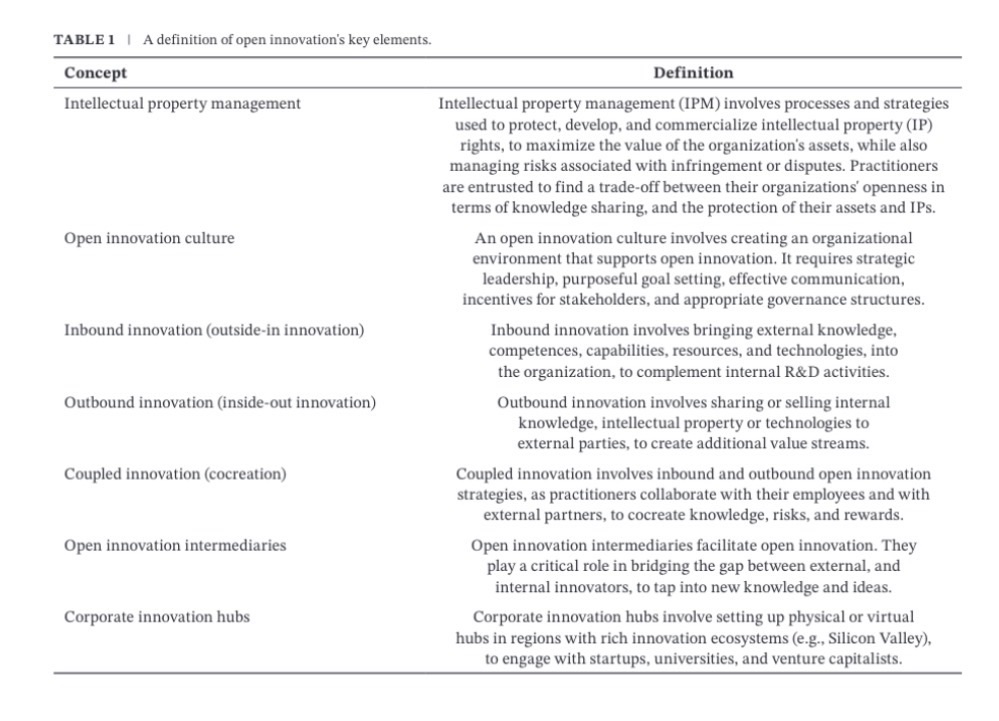
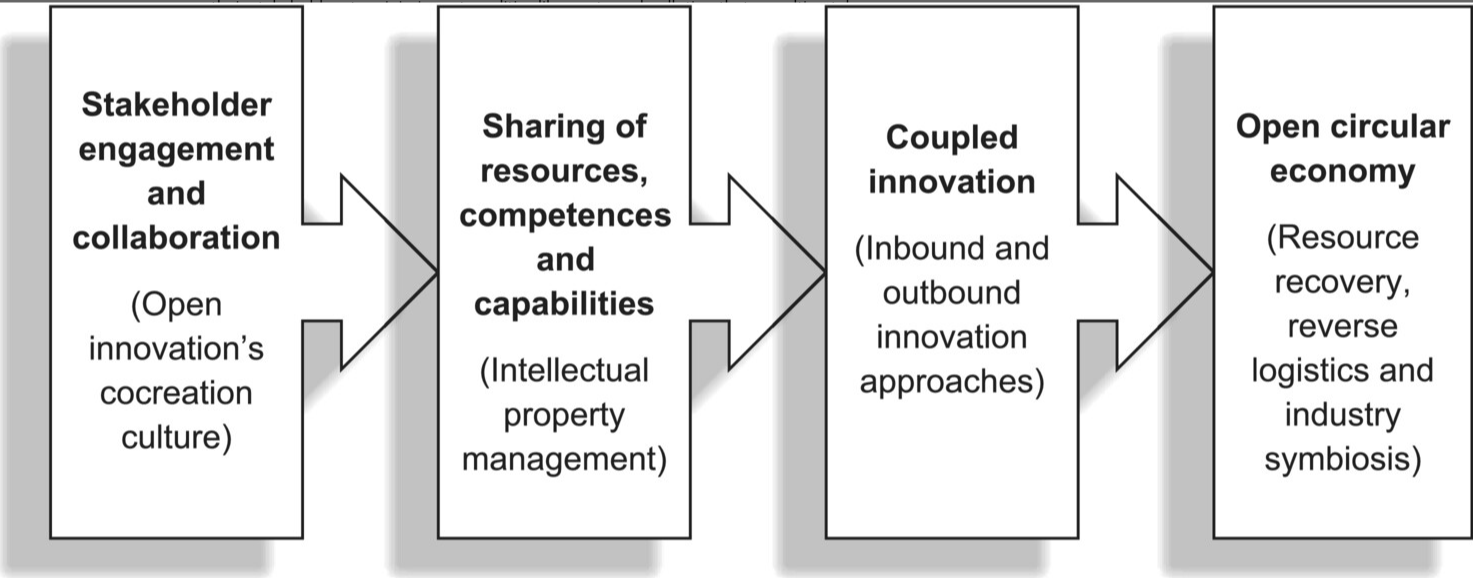

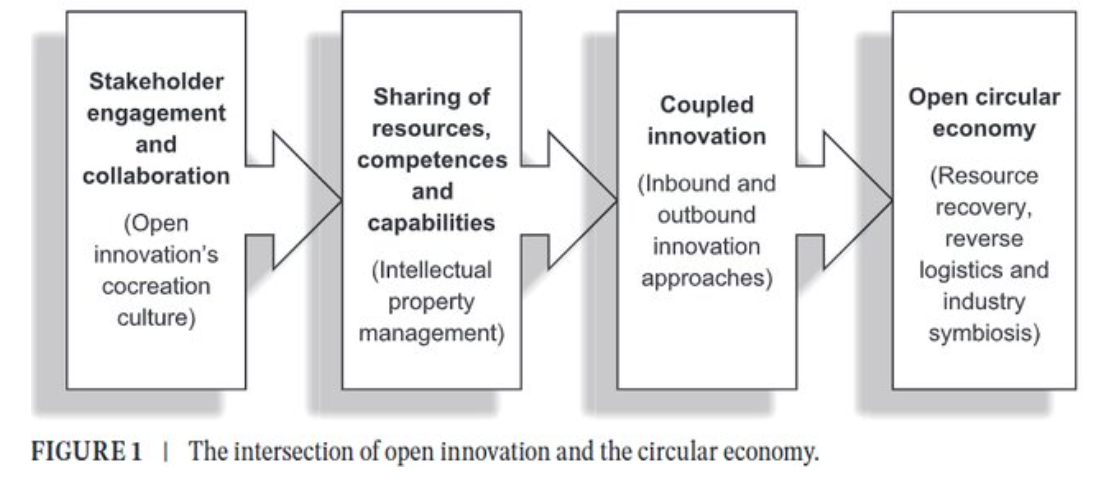


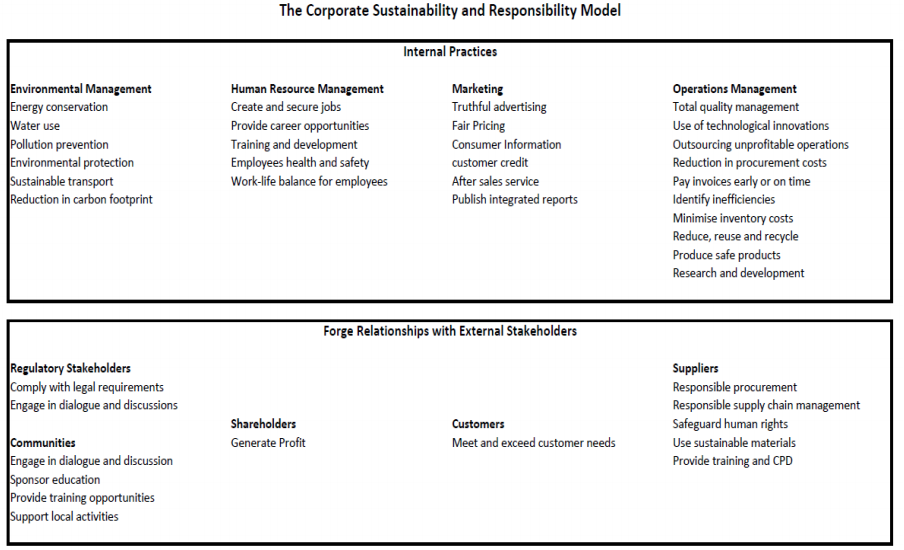

 Substantia Mea
You must be logged in to post a comment.